Returning citizens face extra hurdles in Detroit’s already challenging housing market
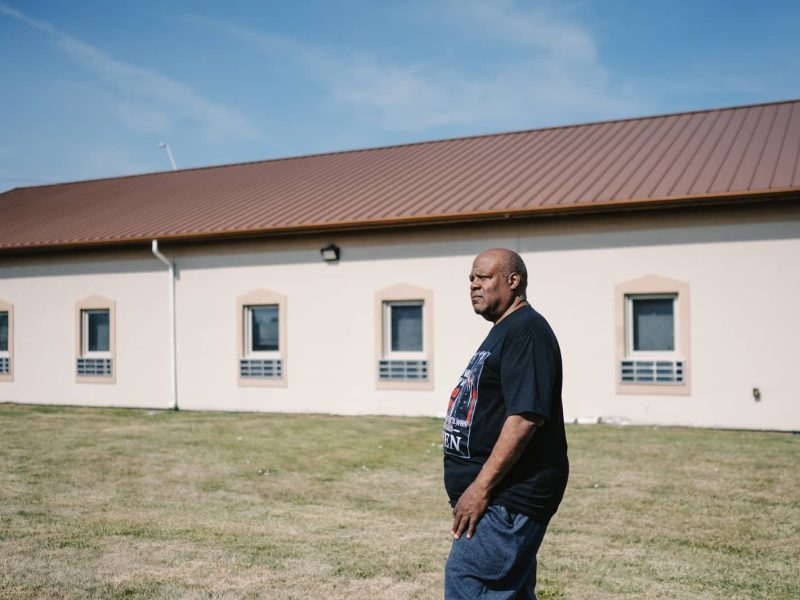
Formerly incarcerated people face numerous challenges in finding housing, often leading them to become homeless or recidivate.
Coverage of low-income and affordable housing solutions, housing developments, and resources for the unhoused.
Formerly incarcerated people face numerous challenges in finding housing, often leading them to become homeless or recidivate.
As Michigan's affordable housing shortage continues, developers are exploring modular construction and 3D printing as innovative ways to reduce building time and address labor shortages.
Community developers know, care for, and invest in their neighborhoods. Together with community development institutions (CDFIs), small development projects can have a huge impact on their neighborhoods, serving as a catalyst for future growth.
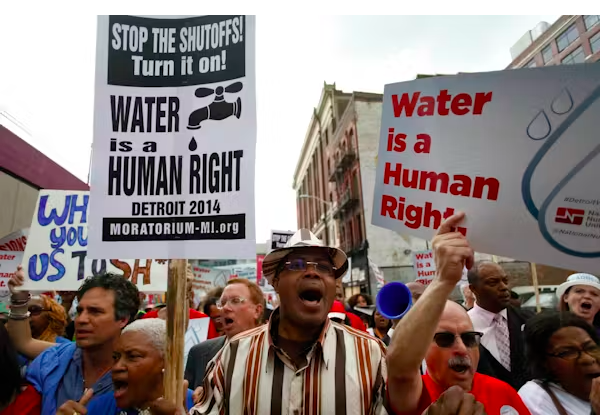
Some Detroit residents spend as much as 25% of their disposable income on water bills. Many are struggling to keep up.
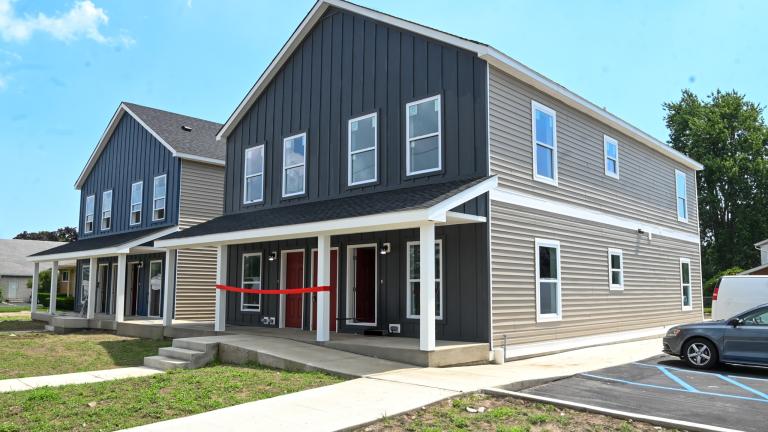
The second phase of the Detroit Housing for the Future Fund (DHFF) returns, offering communities across the city the opportunity for more affordable, stable neighborhoods.
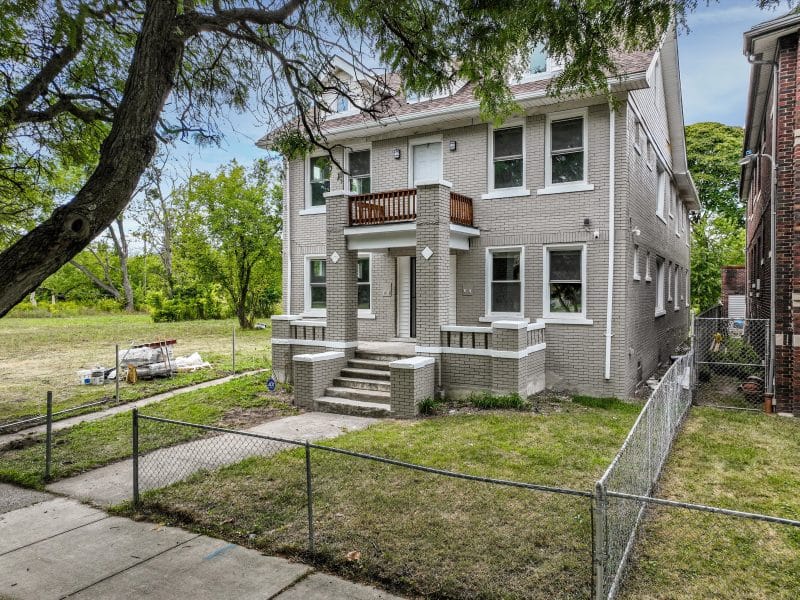
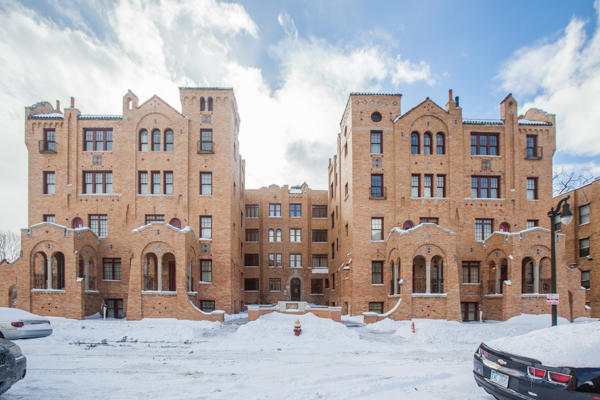
Palmer Park’s 57 apartment buildings represent one of Detroit’s clearest examples of intentional, high-quality multifamily planning.
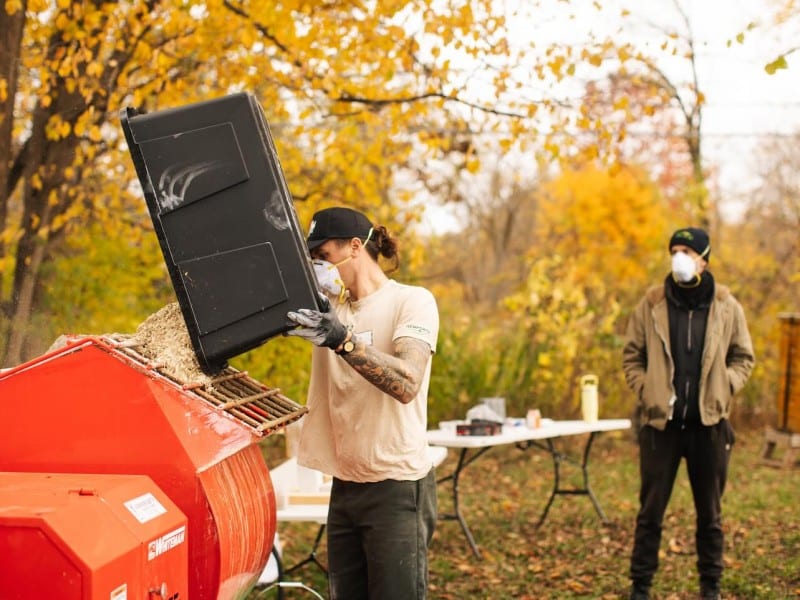
Cody Ley, a past CEDAM real estate development boot camp participant, is passionate about creating affordable, sustainable housing using hempcrete — a resilient, energy-efficient material. Through his nonprofit, Hemp 4 Humanity, he hopes to empower and connect communities to promote a circular economy.
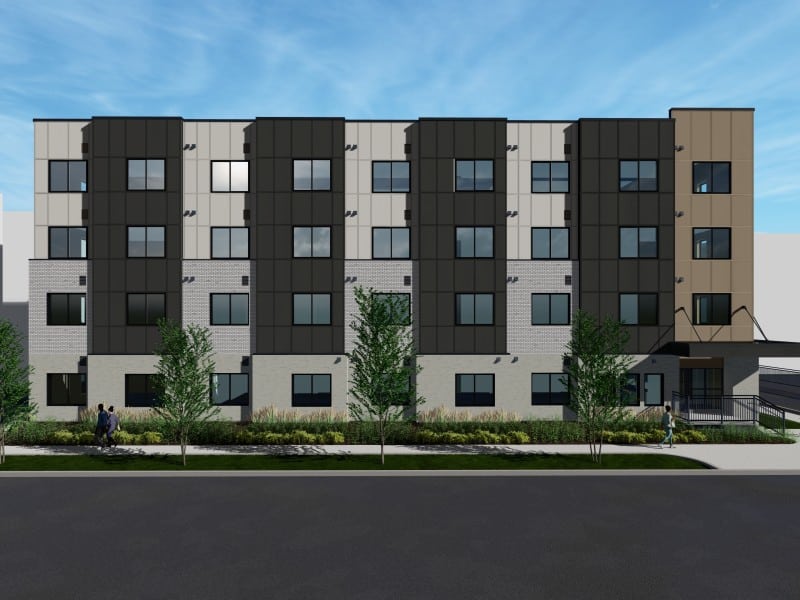
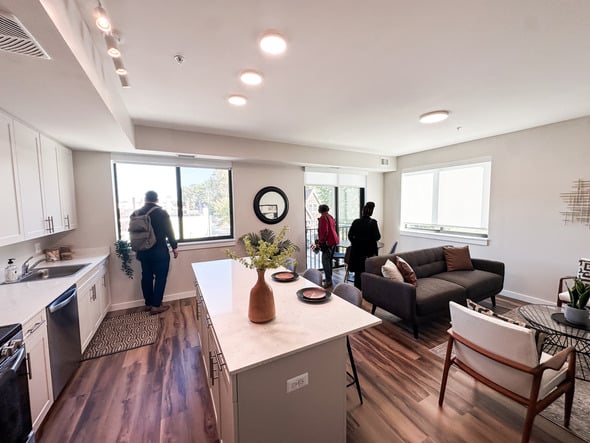
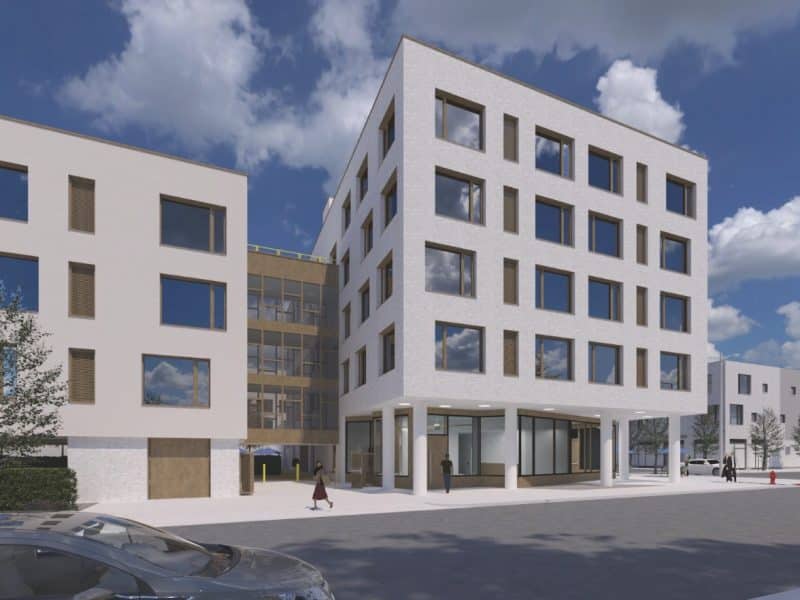
The five-story development at 900 Tuscola @ Midtown West will feature 1,000 square feet of retail, 63 parking spaces, and resident amenities.
Long-planned developments are moving ahead at a time when demand for deeply affordable housing continues to outpace supply in Detroit.
Our Partners