HISTORY LESSON: Detroit’s March Madness: The Moments That Never Get Old
As Michigan competes in the winner-takes-all NCAA Championship, let's reflect on other key March Madness moments in Detroit history.
A recurring feature in Model D, often led by local historian Jacob Jones, in which the publication delves deep into the annals of Detroit history and nerds out over a different topic each time.
As Michigan competes in the winner-takes-all NCAA Championship, let's reflect on other key March Madness moments in Detroit history.
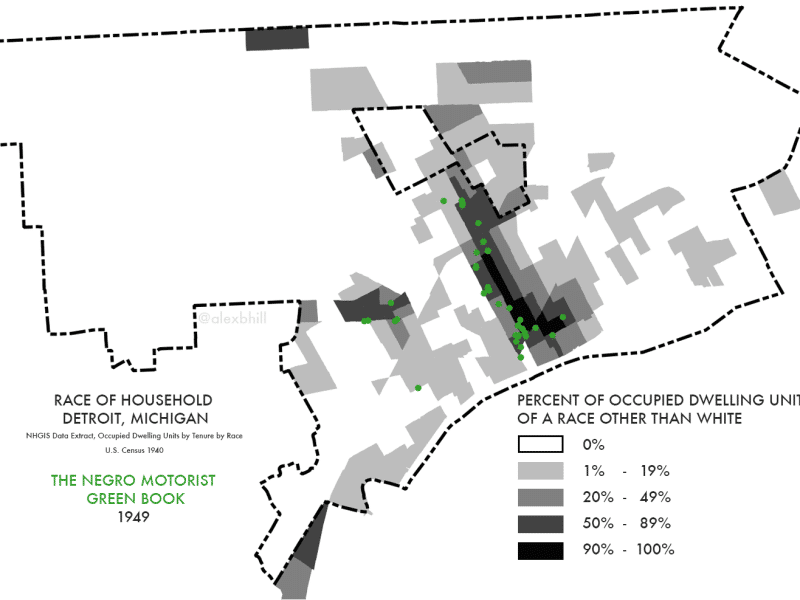
Green Books mirrored the state of discrimination, racism, and African American rights in the nation each year. Detroit's listings started in 1938.
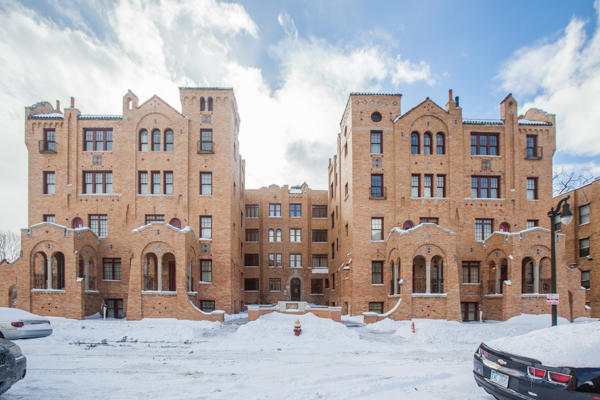
Palmer Park’s 57 apartment buildings represent one of Detroit’s clearest examples of intentional, high-quality multifamily planning.
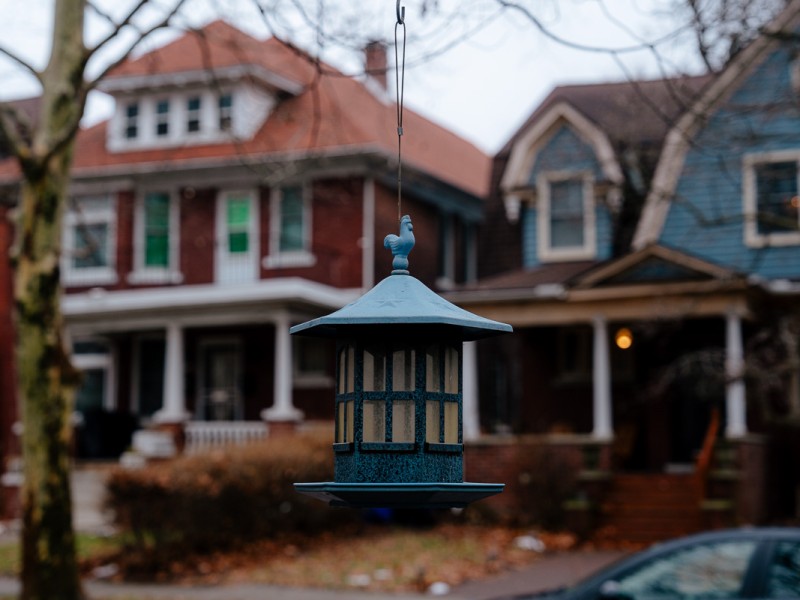
Long-time residents of Woodbridge tell stories of their diverse Detroit neighborhood through an oral history project meant to capture the essence of life in the area in decades past.
This year's history lesson? There’s almost always a story from Detroit’s past that helps to provide context for today.
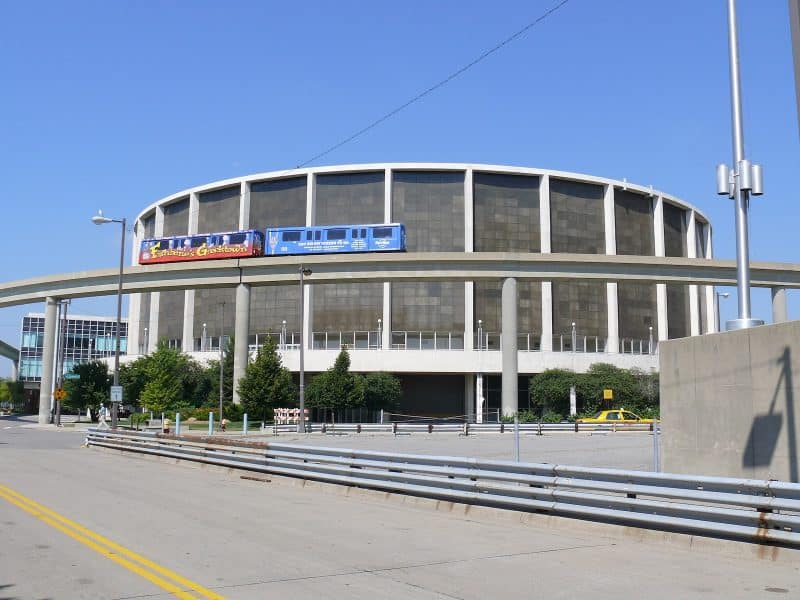
Detroit’s first step into public sports infrastructure construction came in 1960 with the opening of Cobo Arena, the stadium component of the larger riverfront redevelopment that led to the convention hall and Hart Plaza.
During the second half of the 19th century, Thanksgiving traditions in America varied from region to region. Michigan's observance began in 1834.
Nearly a century later, the brutal slaying of Detroit preacher and mystic Benny Evangelist remains one of the city’s darkest unsolved crimes.
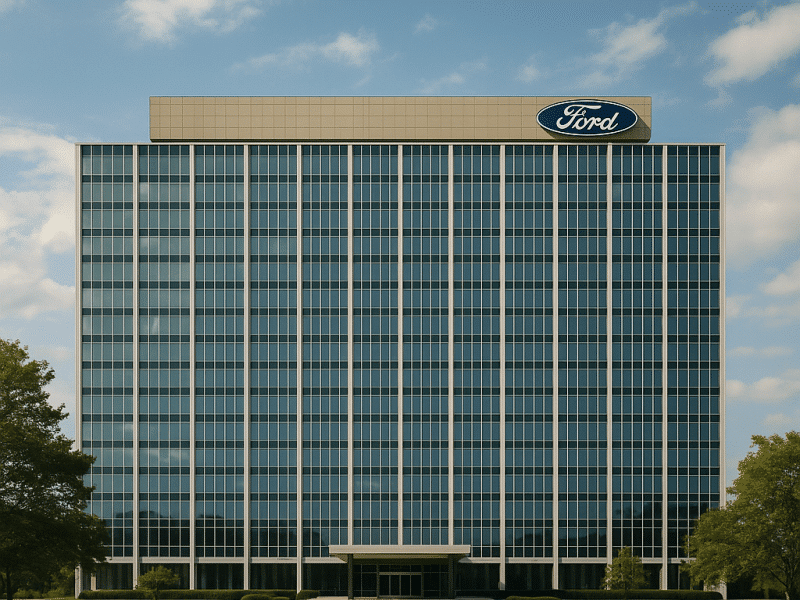
When Ford Motor Company left Dearborn, it closed the book on one of the Midwest’s greatest modern landmarks — a shimmering symbol of Detroit’s mid-century confidence.
Before Hard Knocks, there was Paper Lion — George Plimpton’s wild Lions experiment that made football a content machine.
Our Partners