Minock Park Place provides new affordable senior housing for Grandmont Rosedale neighborhood’s older residents
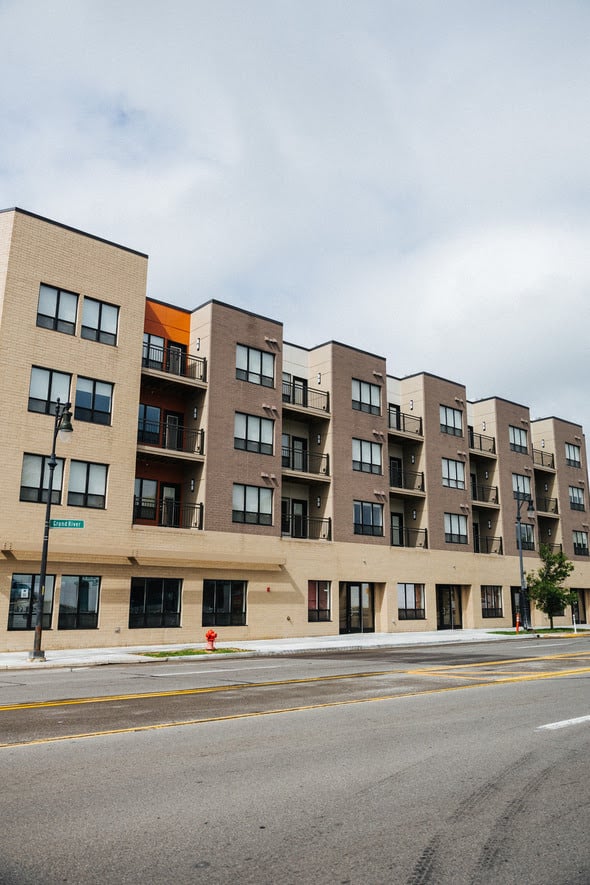
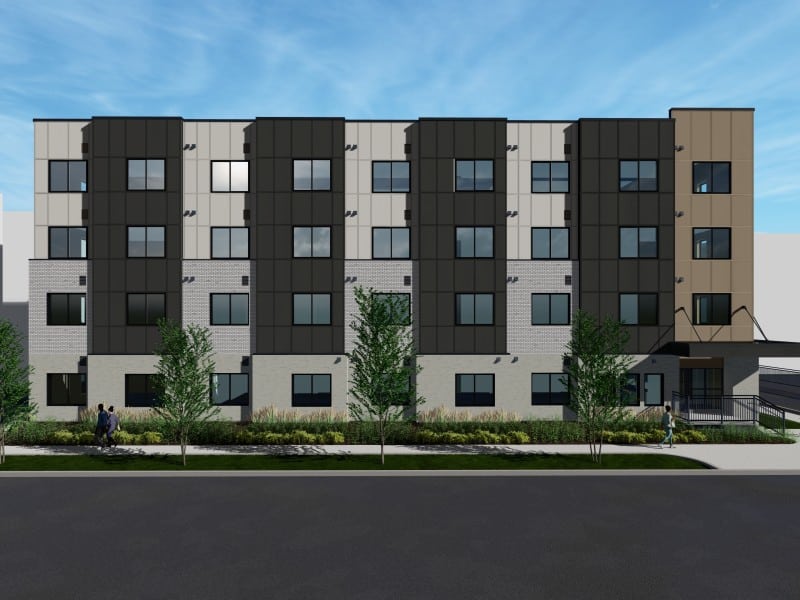
In the heart of Detroit’s Grandmont Rosedale neighborhood, a 42-unit, mixed-use development has given senior citizens brand-new affordable housing. Minock Park Place was seven years in the making, and marks the first affordable senior housing community in the neighborhood, located at 19505 Grand River Ave. — a vital commercial and cultural artery.
Block by Block is a solutions journalism series that is supported by CEDAM, Invest Detroit and MI CDFI, and is focused on community development leaders and initiatives in Michigan, Ohio and Indiana.
As residents get older, they often are forced to leave their homes – unable to keep up with the maintenance, mortgage payments, or new mobility issues. Many social security-age senior citizens often live on fixed incomes, and are especially vulnerable when rental housing costs rise. Perhaps they’re not in the assisted living or nursing home stage yet, and have a strong desire to remain in their homes. Sometimes that is not financially feasible. As the entire state continually faces a housing crisis, affordable housing is important for folks of all ages — including seniors.
In the heart of Detroit’s Grandmont Rosedale neighborhood, a 42-unit, mixed-use development has given senior citizens brand-new affordable housing. Minock Park Place was seven years in the making, and marks the first affordable senior housing community in the neighborhood, located at 19505 Grand River Ave. — a vital commercial and cultural artery.
In addition to the 42 units of affordable senior housing for 55+, there is also 5,400 square feet of commercial space — an investment that shows how interconnected housing, the small business ecosystem, and placemaking is to a community.
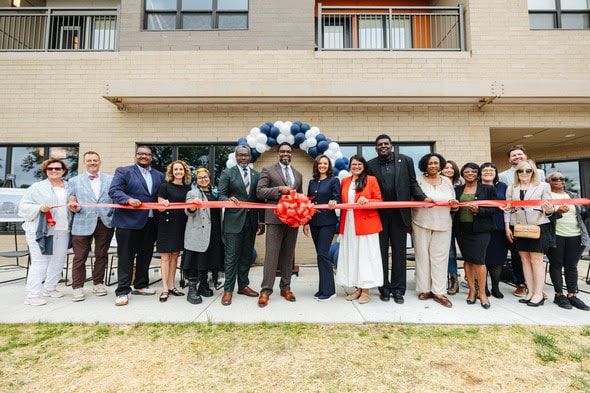
neighborhood’s first affordable senior housing development, Minock Park Place. Courtesy photo.
Yulonda Byrd is the vice president of the Southeast Michigan Market Leader at Cinnaire Solutions, one of the community development financial institution (CDFI) partners and co-owners of Minock Park Place.
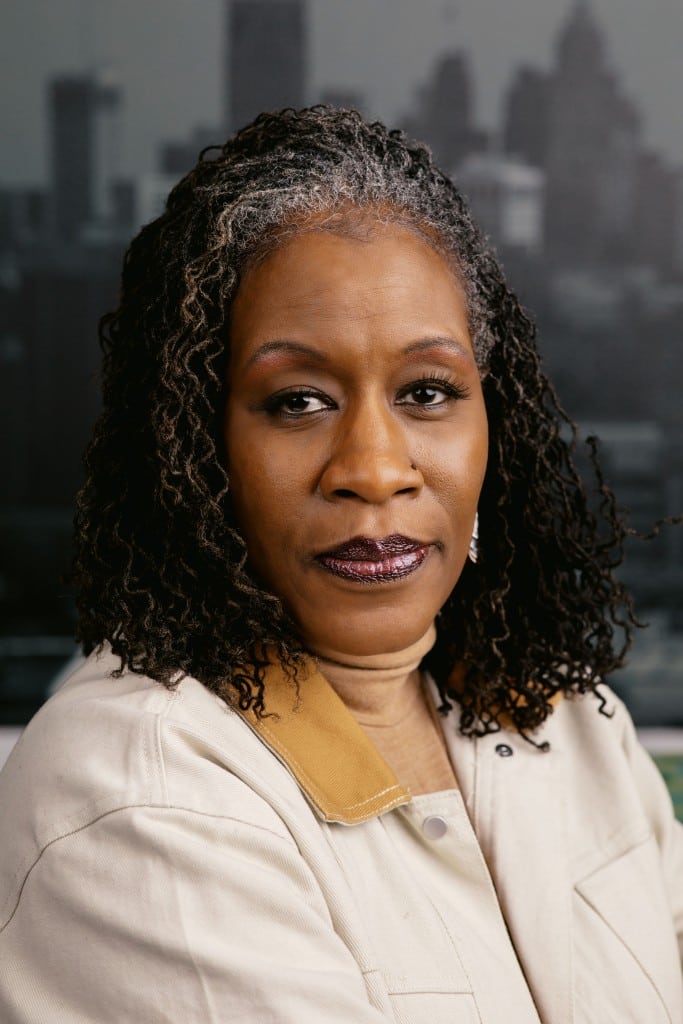
“Our mission is to serve individuals in low-income census tracts so that it is a place where they can work, live, play, and have their families,” she says. “Cinnaire prides itself on making sure that we can assist in whatever way that we can, making sure that we’re bringing our resources to the community — not always looking for a return on our investment. We’re getting in there for the sake of doing what’s right for the community.”
Byrd says seniors are a very delicate group of individuals to work with when it comes to new developments and the change they can bring.
“Oftentimes, seniors don’t want to leave the community, but they know the homes that they were living in were too much,” she says. “To find an apartment building that’s near the home they had gives them a sense of ownership in that community. They know the local pharmacist, they know the local gas station owner. So to have a neighborhood senior development allows those seniors who may have put off that move for some time, it provides them that comfort that they need to go ahead and make that next move and live their lives out in the same community they had been in for years.”
Jermaine Ruffin is senior vice president of neighborhoods at Invest Detroit, a mission-driven CDFI focused on bridging funding gaps and advocating for collaborative systemic change within historically underserved communities.
“I lead the Neighborhoods team at the CDFI Invest Detroit, and the work we do is meant to provide investment, strategy, and placemaking investments in neighborhoods across the City of Detroit,” Ruffin says.
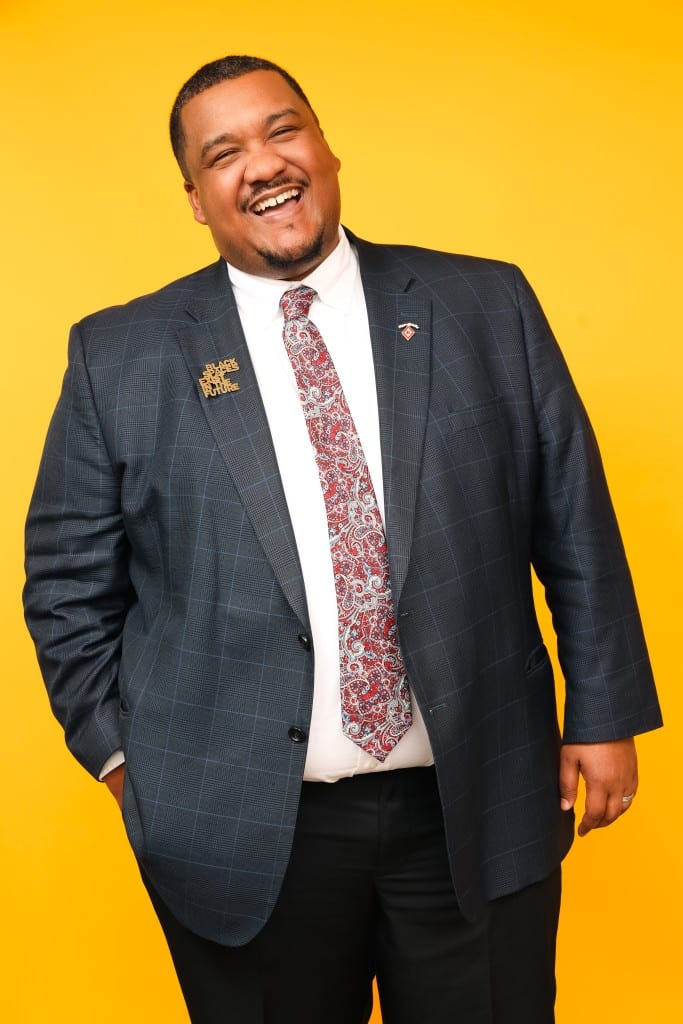
Ruffin’s team focuses on 10 neighborhoods part of the Strategic Neighborhood Fund, making those small business, retail, park, greenway, streetscape infrastructure, along with infrastructure and placemaking activities.
Invest Detroit partnered with GRDC to acquire the site, transferring ownership of the site. The CDFI has also transitioned some of their funding to support the buildout of commercial spaces for the small businesses that will be located at Minock Park Place.
The neighborhood is considered a historic community, with many beautiful single-family homes and an instrumental local development corporation investing and improving the area.
“There are a lot of seniors aging in large, beautiful brick, single-family homes in the Grandmont Rosedale neighborhood,” Ruffin says. “The community feedback was that we needed more affordable housing for seniors that are income-challenged in that area.”
Michael Randall is the executive director of Grandmont Rosedale Development Corporation (GRDC), overseeing daily operations, fundraising, project and staff management for the 501(c)(3) nonprofit community development corporation. For the last 35 years, GRDC’s core mission has been focused on housing.
“Over the last several decades, we’ve renovated and restored over 150 homes,” Randall says. “As of recently, we just got into more multi-family homes, preserving a 35-unit historic apartment building and we just completed a 42-unit senior housing development.”
GRDC and Cinnaire Solutions serve as co-owners of the new senior housing and mixed-use space.
Five neighborhoods make up the Grandmont Rosedale neighborhood, home to about 20,000 residents, 5,500 single-family homes and 500+ businesses along Grand River, 6 Mile and Schoolcraft.
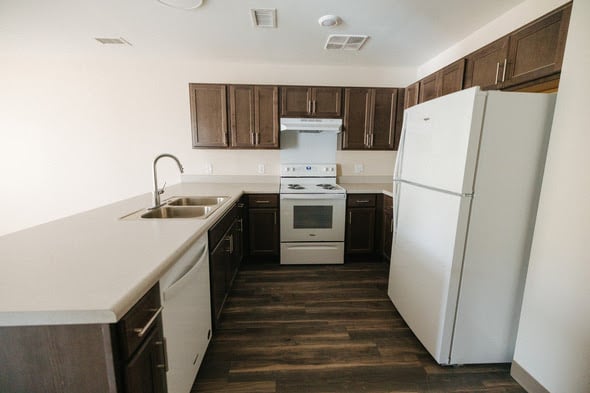
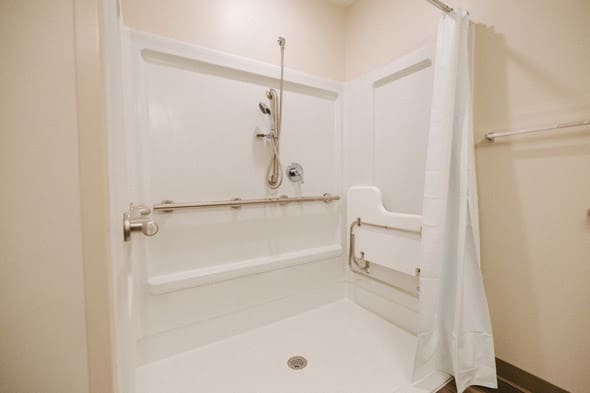
“This property really meets two critical needs – one is additional options for seniors in terms of housing. Grandmont Rosedale, like many neighborhoods in Detroit, are mostly single-family homes so that is why the organization pivoted to offering mixed-use, multi-family for seniors at an affordable rate,” Randall says. “Individuals that may not be able to age in a larger home will be able to do so in one of our apartment complexes we provide. It also meets another critical need — the 5,400 square feet of commercial space to build a sit-down restaurant and other commercial amenities. A lot of individuals have expressed the desire to be able to shop locally.”
Expression of residents’ wants, needs, and concerns is crucial to any project that GRDC attaches itself to, says Randall.
“Our third pillar is community engagement,” he says. “Everything we do in terms of community development and the five neighborhoods that make up Grandmont Rosedale, we like to make sure we have community voices involved.”
Byrd agrees that getting community buy-in is first and foremost when it comes to these types of community developments.
“We listened to the community about the type of housing they needed, and also the design and what it looks like,” she says. “They played a role in all of that, and that’s very important because that’s the neighborhood they’re going to live in, play in, and work in. Why not have it be a representation of what’s familiar and necessary to them.”
Ruffin says developments like these are important because of what they can show to residents.
“It shows a community that participating in these community frameworks and planning processes in their neighborhoods actually leads to informed development that they want to see, live in, shop at, and be a part of in their community,” he says. “It’s very important for community members and stakeholders to be engaged. Having that informed community process drives development and leads to better outcomes.”
Randall says the community response to residents seeing and expressing interest in living at Minock Park Place has been positive. He says the property is currently at 70-80% occupancy at this time.
“We’ve had a healthy waiting list for a long time showing the demand is absolutely there,” he says. “People are excited about the commercial component, some additional shops and a sit-down restaurant. We get inquiries about the apartments every single day. There’s also been questions about what’s next. There’s still a need, and so there is always a question about what’s next and how GRDC can play a role in that.”
Randall hopes this development can serve as an example and model of what’s possible along commercial corridors.
“We have buildings that have sat vacant for a number of years, Minock Park Place was one of them,” he says. “Previous to the development, it was a vacant IHOP restaurant that sat there for a number of years. My hope is that individuals will look at Minock Park Place, bring additional housing and think about that commercial space as well, because it’s very important. Minock Park Place is an example of amazing public-private partnerships and the ability to really think outside of the box, and make things happen for our residents.”
These types of projects take a lot of time and a lot of money. They also require lots of cohesive shared missions and organizations working behind-the-scenes.
“It takes partnerships and people willing to believe in the vision that started with Grandmont Rosedale, listening to his constituents and his community and him going out and finding a partner,” she says. “Making sure you are partnering with the right team is critical to the ongoing and sustainable success of the project.”
Working alongside fellow CDFIs and community developers within the Detroit CDFI Coalition has been beneficial to all parties involved, says Byrd. Sharing best practices, resources and providing referrals to get projects to the finish line is crucial in today’s challenging landscape.
“As we know in today’s environment, there are a lot of things working against developers right now,” Byrd says. “They’ve got higher construction costs due to some of the legislative and executive orders and changes signed by our new administration. You’ve got a shortage of trade labor.”
To help mind the gap of the lower rental price and the high price of construction costs, partners including the City of Detroit, MSHDA, MEDC, and philanthropic organizations are all moving parts that make affordable housing developments a welcome reality.
In addition to Invest Detroit as a catalyst in acquiring property, Cinnaire was a co-developer and co-owner, other partners and financiers helped push the project to the finish line.
“We also worked with the City of Detroit Housing and Revitalization Department, Planning & Development and also all of our elected officials,” he says. “We were able to secure funding from pretty much every level of government from the city all the way up to Congress, so that was a pivotal aspect in terms of getting this project completed.”
Byrd hopes the activation of the Grand River Corridor will bring even more retail tenants, new businesses and buildings moving into the area.
“I think this will continue to enhance the improvement that is not only going on in Northwest Detroit, but along the Grand River Corridor,” she says.
Related Articles
Partner Partner Content From Blueprint to Breakthrough: Tackling Affordable Housing in Detroit
Cass Corridor Neighborhood Development Corporation and Cove Investments and JPMorganChase help neighborhoods—and residents—thrive.
Returning citizens face extra hurdles in Detroit’s already challenging housing market
Formerly incarcerated people face numerous challenges in finding housing, often leading them to become homeless or recidivate.
Modular building, 3D construction paves way for innovative solutions to the housing crisis
As Michigan’s affordable housing shortage continues, developers are exploring modular construction and 3D printing as innovative ways to reduce building time and address labor shortages.