Detroit Public Schools, Michigan State University Partner to Address Special Education Teacher Shortage
As the need for specialized autism education grows, Michigan State University and Detroit Public Schools Community District are teaming up to strengthen the special education workforce.
Teacher shortages have always been prevalent in special education. A recent increase in child autistic diagnoses has pushed the issue into the national spotlight. While some school districts and states offer financial incentives to attract prospective teachers, Michigan State University (MSU) and Detroit Public Schools Community District aims to bridge the gap between dedicated, experienced educators and Exceptional Student Education (ESE) certification – serving a more diverse group of students with specialized needs.
According to a 2024 study by JAMA Network Open, autism spectrum disorders (ASD) in adults and children rose by 175% in the last decade. Additionally, recent data released by the Centers for Disease Control and Prevention (CDC) estimated that 1 in 31 children were diagnosed on the spectrum – an increase from 1 in 36. The alarming trend is especially prevalent in children ages 5 to 8 with an increase in diagnosis notably higher in Black and Brown children. The surge reflects a growing national need for special education curricula and autism-focused instructors – a need Detroit’s large urban student population isn’t immune to.
A nationwide survey implemented by the Institute of Education Services (IES) reports that special education vacancies are nearly double teaching vacancies in other areas. The DPSCD-MSU partnership seeks to address that shortage head-on, offering advanced ESE certification training in exchange for tuition support and a commitment to teach in the district for six years. Cohort members work closely with MSU College of Education faculty and doctoral students specializing in autism spectrum disorders and applied behavior analysis, gaining hands-on guidance from researchers already immersed in the field. ESE certification recipients also receive additional professional development and competitive compensation as part of the district’s commitment to provide autistic students and their families with high quality, targeted, education uniquely tailored to their learning style and support needs.
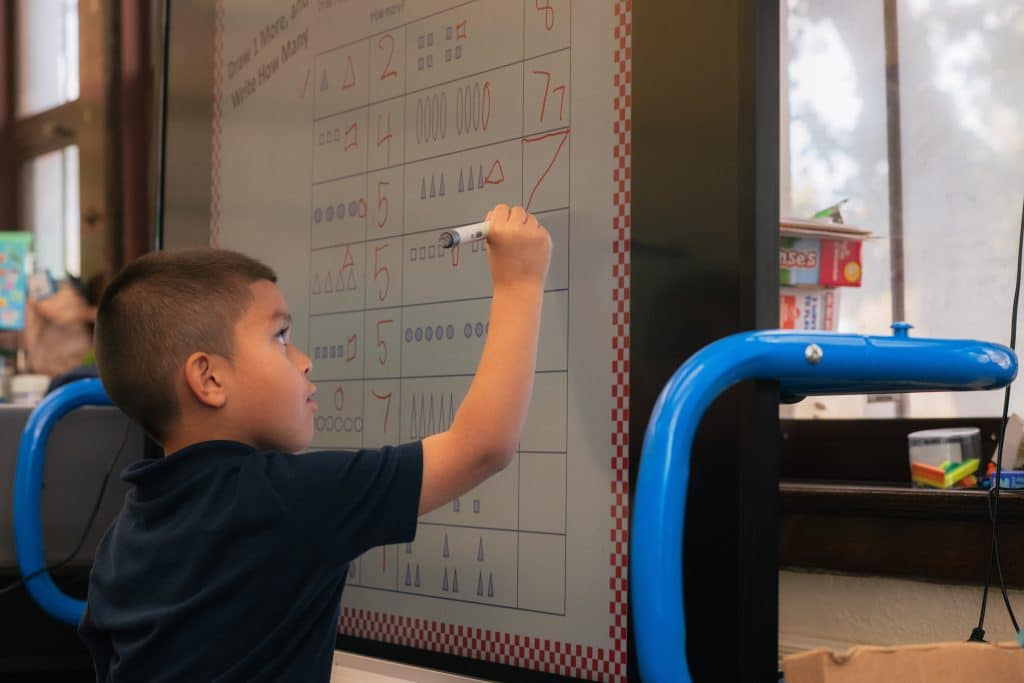
The initiative is designed to be accessible, affordable, and convenient, allowing current DPSCD teachers to expand their roles and skill toolkits without stepping away from their classrooms for long stretches. Educators receive specialized training six to nine hours a week for each three-credit-hour class. Online coursework – including “Autism Spectrum Disorders: Characteristics and Implications” and “Applied Behavior Analysis for Teachers” – provides a graduate-level foundation built around the district’s and university’s shared goal: ensuring students’ academic and social progress.
“DPSCD has been a leader in recruiting, developing and retaining qualified Exceptional Student Education (ESE) teachers. DPSCD was the first in the region to implement sizable ($15,000) bonuses for ESE teachers, it collaborates with programs providing a pathway for ESE Paras to become teachers and its own alternative certification program, On the Rise Academy, is producing ESE teachers from within,” said DPSCD superintendent, Dr. Nikolai Vitti. “Because ASD endorsements are so rare in Michigan and not possible to obtain through alternative certification pathways, this innovative partnership with Michigan State University takes all of these efforts to the next step and provides real value to current DPSCD teachers in exchange for their commitment to keep teaching with DPSCD in a hard-to-staff area.”
The initiative first grew out of an agreement with the Detroit Federation of Teachers and is on track to produce 100 to 200 ASD-endorsed educators over the course of the multiyear partnership, bringing the district closer to its goal of successfully retaining certified ESE instructors for its hardest-to-staff teaching positions. The evidence-based curriculum equips instructors with the communication skills and expertise needed to assist DPSCD school social workers with assessments.
With the fall 2026 inaugural cohort now underway, Jerlando F.L. Jackson, dean of the MSU College of Education and MSU Research Foundation Distinguished Professor of Education, called the partnership an investment in the knowledge, tools and support necessary for autistic students to thrive, and a milestone in a relationship between the two institutions that will continue to grow.
“This partnership is an exciting advancement for Michigan State University, Detroit Public Schools Community District and, most of all, Detroit educators and students who will benefit from this partnership. We view this as a new feature of a larger, existing partnership to strengthen Detroit’s educational capacity by investing in the professionals who serve students and families every day,” said Jackson. “Together, we imagined possibilities. Together, we will see the transformative impact in Detroit schools as students learn from high-quality, innovative Spartan educators.”
Related Articles

On the Rise Academy Is Building Detroit’s Next Generation of Diverse Educators
Detroit is building its next generation of educators. On the Rise Academy is creating a more diverse teacher pipeline through hands-on training, certification and career opportunities rooted in the community.

خرافة الاحتيال في رعاية الأطفال تُغفل القصة الأكبر
فبالنسبة للأغلبية الساحقة من مقدّمي الخدمة العاملين بصورة شرعية، لا يضيف التدقيق الإضافي سوى مزيد من الضغط على نظام مُجهَد أصلاً.
The School at Marygrove Increases Access and Engagement with Middle School Expansion
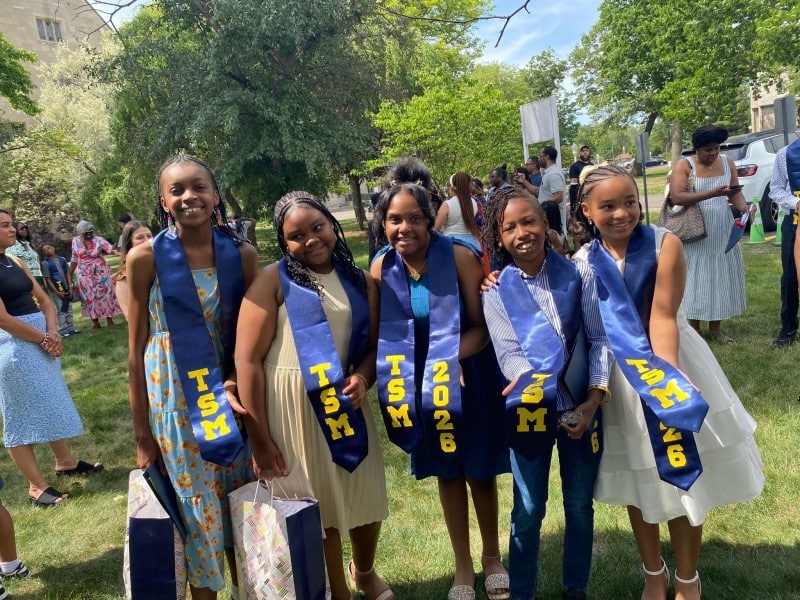
From kindergarten through college readiness, The School at Marygrove is helping Detroit students discover their voice, achieve academic success, and prepare for bright futures.