Video: Healing roadways in the Great Lakes with green infrastructure
See how green infrastructure can greatly reduce the negative effects of our roadways on the Great Lakes.
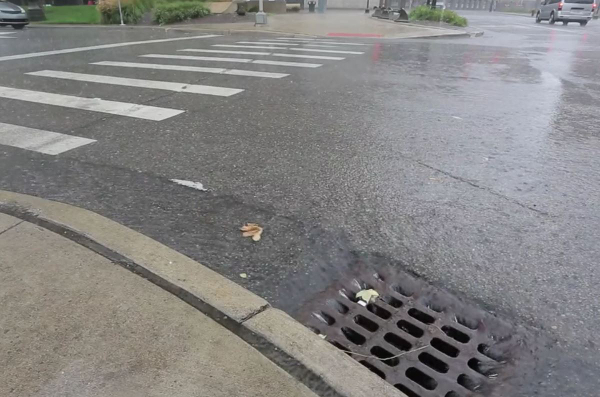
See how green infrastructure can greatly reduce the negative effects of our roadways on the Great Lakes.
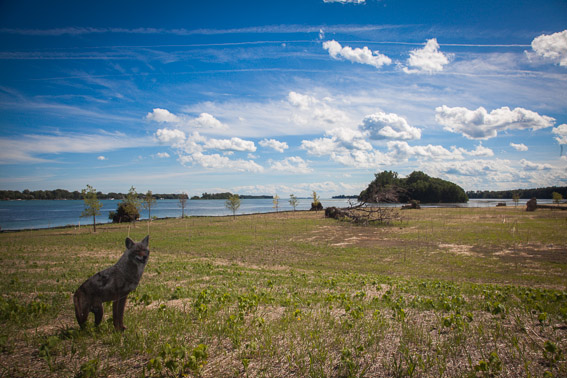
We may not have mountains (or even molehills, for that matter), but southeast Michigan is home to unique natural wonders that are being rediscovered and restored in the postindustrial era.
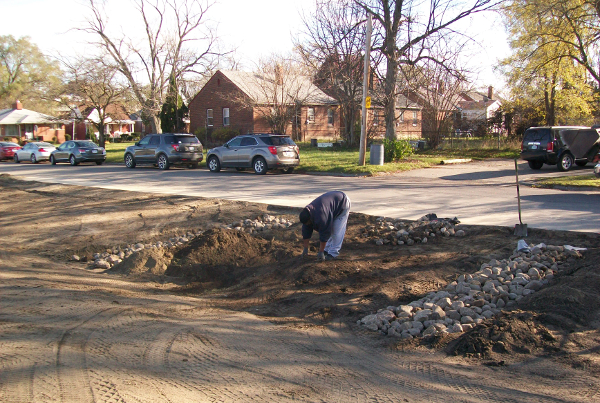
Flooding has long been an issue for Detroit's Cody Rouge neighborhood, but nonprofits, the city, and residents are taking action to mitigate the negative effects of stormwater on the community. Their latest project, a bioswale in Stein Park, is currently under construction.

In the Great Lakes, we drive to get where we are going. And with tens of thousands of lane-miles of roadway across the basin, in both urban areas and rural areas, the impact of all of that hard surface on our waterways adds up.
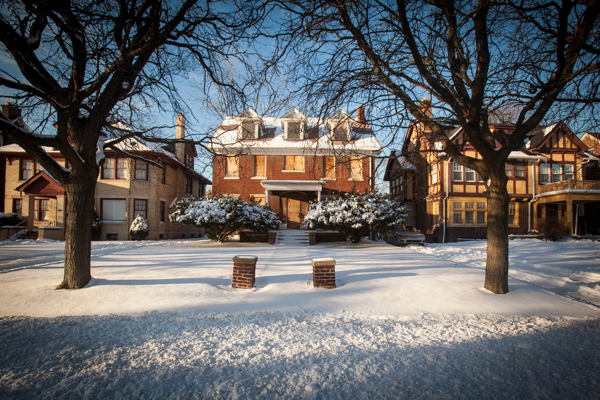
It's been another busy month for development news in the city of Detroit. Let's catch up on some of the biggest stories from the past four weeks.
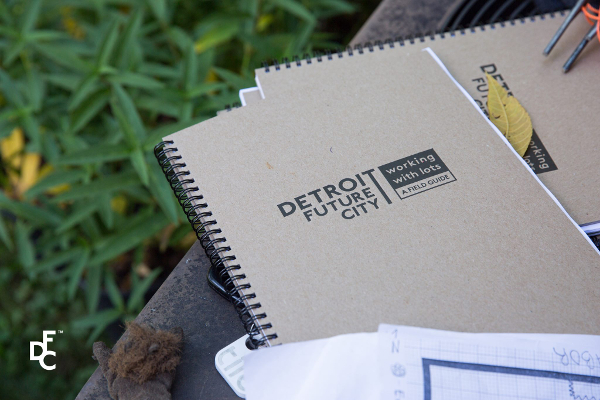
As the city of Detroit makes it easier for residents to purchase vacant lots in their neighborhoods, the Detroit Future City Implementation Office has developed a field guide for residents that informs them how to transform the empty land into neighborhood resources.
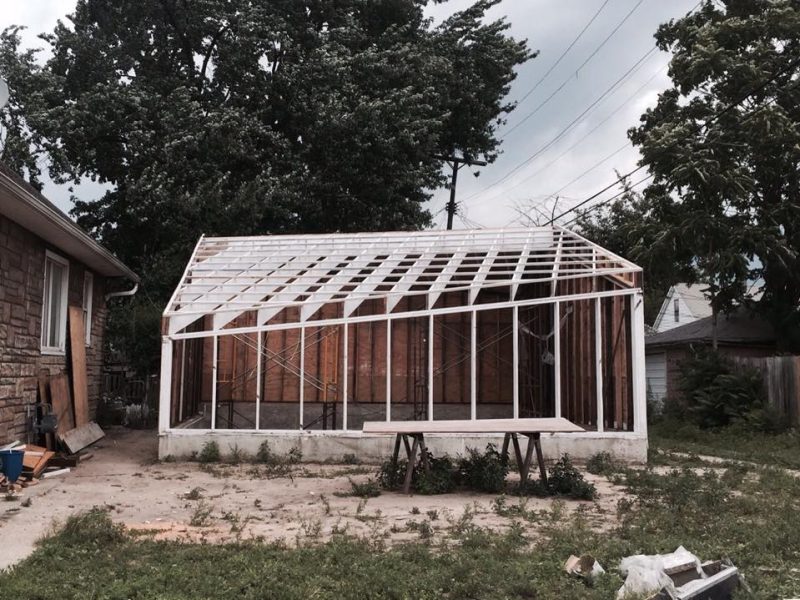
When most people talk about urban agriculture in Detroit, they say it with the idea of putting vacant land to use. Afterhouse, however, wants to grow the city's urban agriculture sector by putting vacant buildings to use.
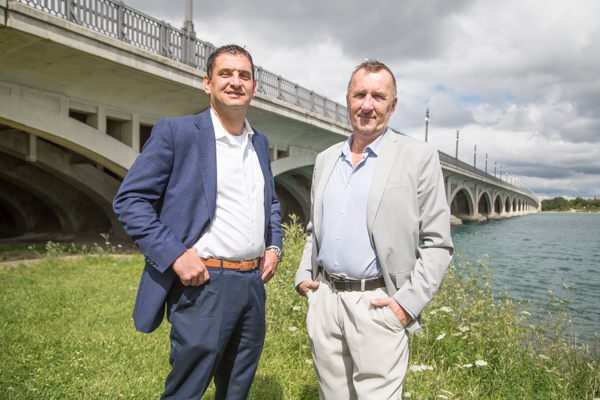
Parjana's Energy Passive Groundwater Recharge Product has the potential to revolutionize the way cities manage stormwater by increasing the efficacy of green infrastructure and alleviating burdens placed on aging sewer systems.
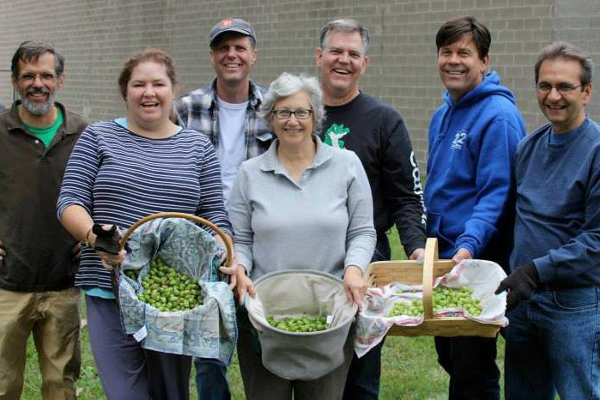
The new business is growing hops at the Detroit Tube Products facility at Junction and Harvey streets a few blocks from Fort Wayne. It is also developing a trellis system that it hopes will help spread hop production across Michigan.

Today Peck Produce, also known as Food Field, grows a wide variety of fruits and vegetables on the site, including leafy greens, tomatoes, sweet potatoes, carrots, ginger, artichokes, and parsnips. Last year the urban farm sold 16,000 pounds of produce.
Our Partners