From Detroit to Statewide: Michigan Pride Chamber Expands Support for LGBTQ+-Owned Businesses
A decade after building connections across metro Detroit, the Michigan Pride Chamber of Commerce is expanding its reach statewide, creating new opportunities, resources and visibility for LGBTQ+-owned businesses across Michigan.
For more than 10 years, the Detroit Regional LGBT Chamber of Commerce built its name one relationship at a time — connecting entrepreneurs, corporations and funders across southeast Michigan. Now, the organization is betting that the same model can work statewide.
The chamber has rebranded as the Michigan Pride Chamber of Commerce, a shift that leaders describe not as a departure from its roots, but as the next chapter in a story that began in 2013.
The turning point, according to President Kevin Heard, came when the chamber’s network reached beyond metro Detroit to help a Battle Creek business secure a $1 million grant.
“That was the pivotal moment for me,” said Heard. “I realized we weren’t limited to making an impact in Southeast Michigan. We could truly make an impact across the state.”
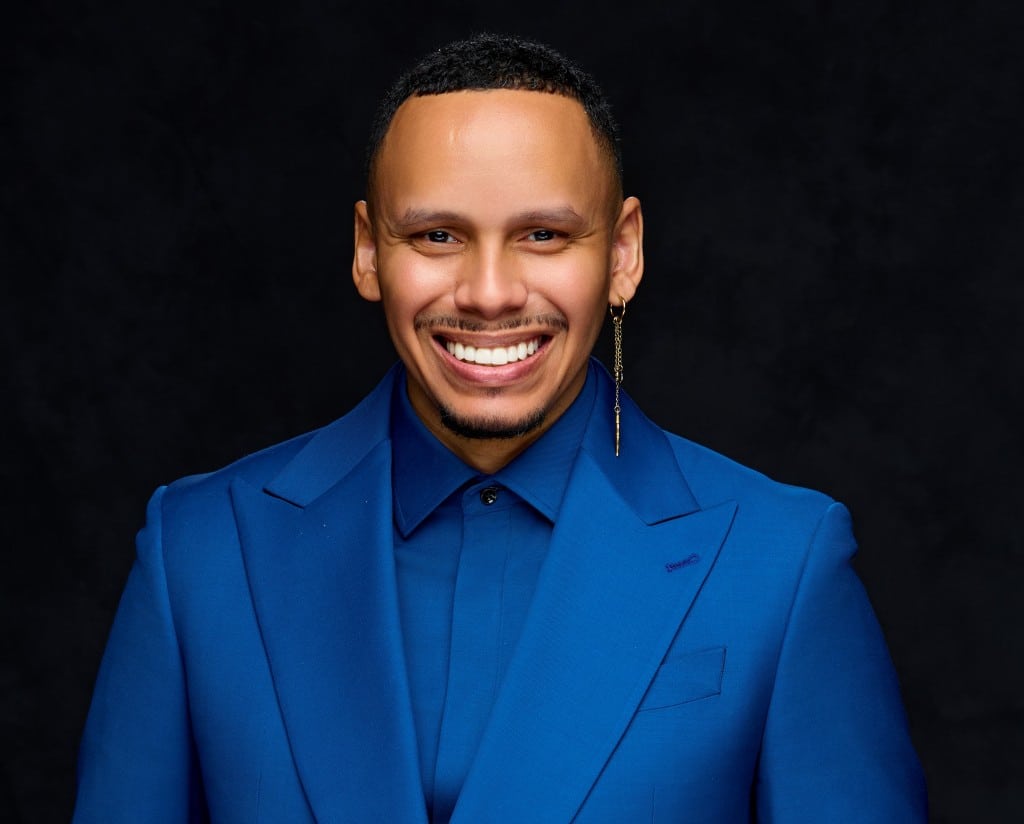
It’s a moment Heard keeps coming back to — proof, he said, that the chamber’s work doesn’t have to stop at Wayne, Oakland and Macomb counties.
The scale of what’s at stake is significant. Nationally, more than 1.4 million LGBTQ+-owned businesses contribute more than $1.7 trillion to the U.S. economy each year, according to the National LGBTQ+ & Allied Chamber of Commerce. Michigan’s share of that story, chamber leaders argue, has gone largely untold outside the Detroit area.
But growth, for this organization, comes with a caveat: listen first, act second.
“This is expansion, but we have to first listen,” Heard said. “We want to make sure that their priorities are listened to and affirmed, and that we’re intentional about understanding what their needs are.”
That instinct is shaped by Michigan’s own geography. A manufacturing hub in the southeast looks nothing like the tourism economy of the north, or the agricultural communities scattered across the state’s rural stretches. What works in Detroit, Heard acknowledges, may fall flat in Traverse City or the Upper Peninsula.
Weighing growth against identity
The decision to expand wasn’t made quickly. Board Chair Dorian Hooker said the conversation played out over roughly a year and a half, pulling in board members, corporate partners and funders — all wrestling with the same tension.
“The name Detroit has some real power and significance behind it,” said Hooker. “It’s about grit, determination. We are hardworking.”
Letting go of that identity, even in the name only, wasn’t an easy call. But Hooker said the alternative — staying regional while LGBTQ+ entrepreneurs elsewhere in Michigan went unserved — felt increasingly hard to justify.
“Are we going to spread ourselves too thin?” Hooker said. “But then, are we also not doing enough for the rest of our community across the entire state of Michigan?”
In the end, the pull toward greater visibility won out.
“To be able to impact more people across the state and make sure people know how much LGBTQ+ small businesses and medium-sized businesses contribute to our state and federal economy,” Hooker said, was fulfilling the Chamber’s mission.
Building bridges, one contract at a time
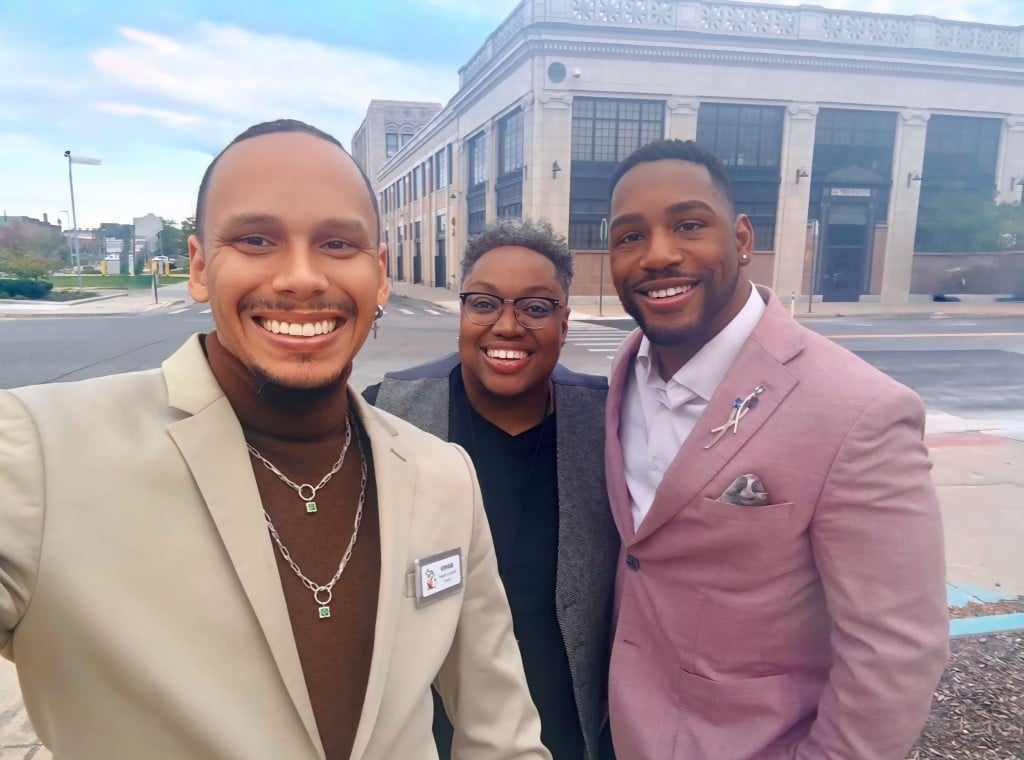
For Vice Chair Christina Marie Ware, the expansion is as much about economics as identity. A statewide chamber, she said, can plug small business owners into a much larger ecosystem — corporations, resources and contracts that have historically been difficult to reach.
“That cross collaboration is just so important and so critical, especially for our small business community, where there is a lack of resources,” said Ware.
Supplier diversity sits at the center of that effort. LGBTQ+-owned businesses, Ware explained, often get overlooked in contracting and procurement, not for lack of ability but for lack of access.
“It’s not that, ‘hey, you’re an LGBT-owned business and you just fit that mold,'” said Ware. “You actually have really good skills and business offerings that could be utilized.”
Corporate interest already appears to be building. Hooker said several organizations have expressed interest in partnering with the chamber as it grows, including the Detroit Pistons, which has an employee on the chamber’s board.
A founder’s long game
Much of the momentum traces back to Heard himself, who co-founded the chamber in 2013, served first as vice chair, and became president in 2015. Colleagues describe his persistence as the thread that has held the organization together long enough to reach this point.
“None of us would be here today if it weren’t for Kevin and his tenacity and his willingness to continue to be brave and courageous in these rooms,” said Ware.
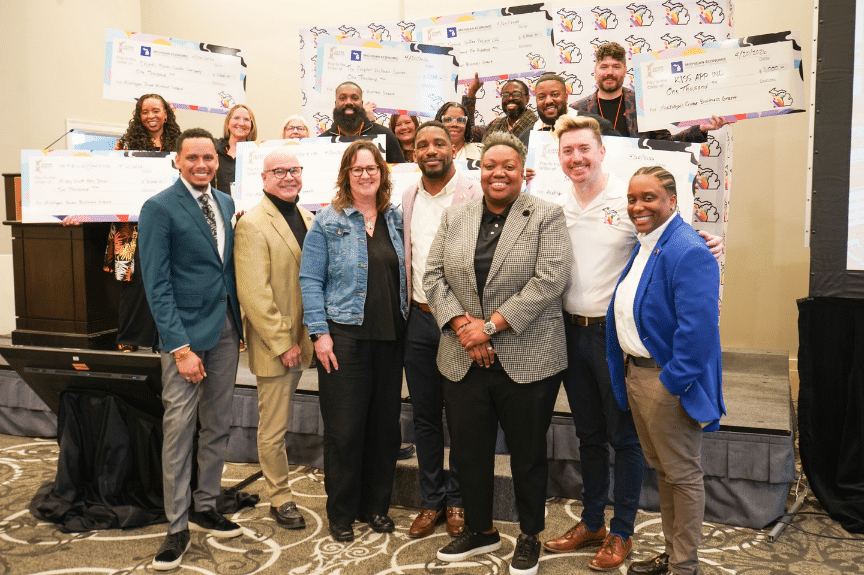
Hooker said that longevity has shaped the makeup of the current board — many of whom first connected with the chamber through Heard.
Looking five years ahead, Heard envisions an organization transformed: a larger full-time staff, satellite offices scattered across the state, and formal partnerships in regions the chamber has yet to touch. He wants the group to help shape Michigan’s broader business climate and, eventually, its ability to attract new companies altogether.
For now, though, the mission starts smaller — with showing up.
“We just want to make sure that people get FOMO and come and join us as well,” said Heard. “It’s going to be an amazing ride to expand, but I can’t wait until we start listening more to our members and future members across the state.”
Related Articles
Detroit’s Frederick Douglass Academy Puts Students on the Map With Award-Winning GIS Program
From drone technology to college credits, Frederick Douglass Academy is preparing Detroit students for the future through an award-winning STEM program gaining national and international attention.

From Social Worker to Salon Owner, Ky’ronda Tate Brings Luxury and Community to Detroit’s Avenue of Fashion
After years of supporting women through life’s challenges, Ky’ondra Tate is creating a space where Detroiters can feel valued, celebrated and cared for, one manicure at a time.

Partner Partner Content From Blueprint to Breakthrough: Tackling Affordable Housing in Detroit
Cass Corridor Neighborhood Development Corporation and Cove Investments and JPMorganChase help neighborhoods—and residents—thrive.