Policies, programs, and research shaping maternal mental health care
How the Center for Health and Research Transformation is working to improve mental health for pregnant and parenting individuals.
Coverage of programs that deal with gender, age, sexual orientation, religion, physical ability, and socioeconomic status; are focused on fair access to resources and opportunities; and those that create environments where people feel welcome, respected, and fully accepted.

How the Center for Health and Research Transformation is working to improve mental health for pregnant and parenting individuals.

Jim Tuman recently passed away, leaving behind a legacy of kindness, philanthropy, and outreach.

The scorecard rates large American cities based on non-discrimination laws, policies as city and an employer, law enforcement, and leadership on LGBTQ+ equality.
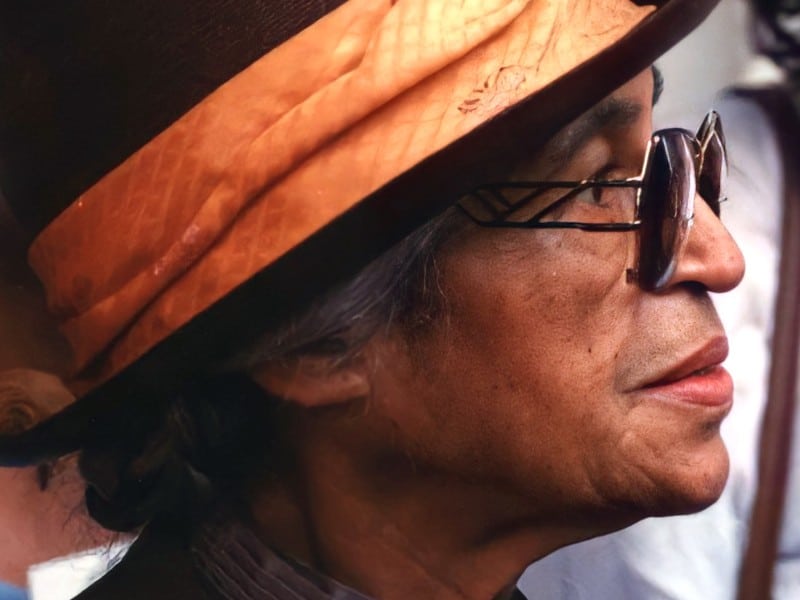
The Rosa Parks Scholarship Foundation aims to tell the story of Parks' life beyond the seat on the bus while helping Michigan students devoted to service and social change.

Today’s teen see potential threats unfold right on their phones. And when they see something, they say something.

Detroit teens challenge mayoral candidates on safety, jobs, and equality, showing they’re ready to shape the city’s future.
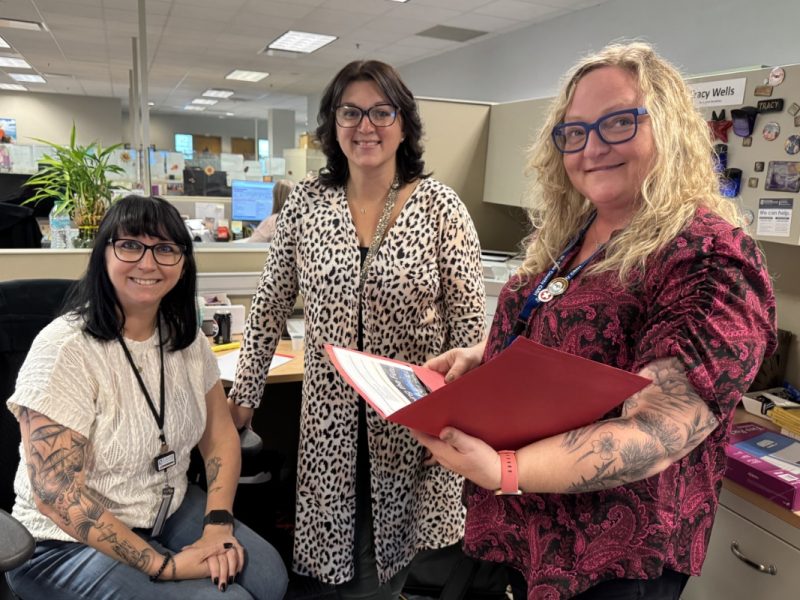
“Health equity has always been an uphill battle. But without intentional investment and consistency, we risk sliding backward." Marianne Huff

TéMaTé Institute’s 2025 convening, Ritual: Rhythms of Life and Legacy, celebrates movement, memory, and cultural connection in Detroit.

For immigrants from Senegal, Detroit's religious communities are a source of spiritual grounding and practical support. The westside of Detroit has become a destination that many Senegalese now call home.

Consistent access to early intervention for Michigan kids with learning disabilities and developmental differences is vital, yet often out of reach.
Our Partners