Mapping Detroit: Green Book Locations
Green Books mirrored the state of discrimination, racism, and African American rights in the nation each year. Detroit's listings started in 1938.
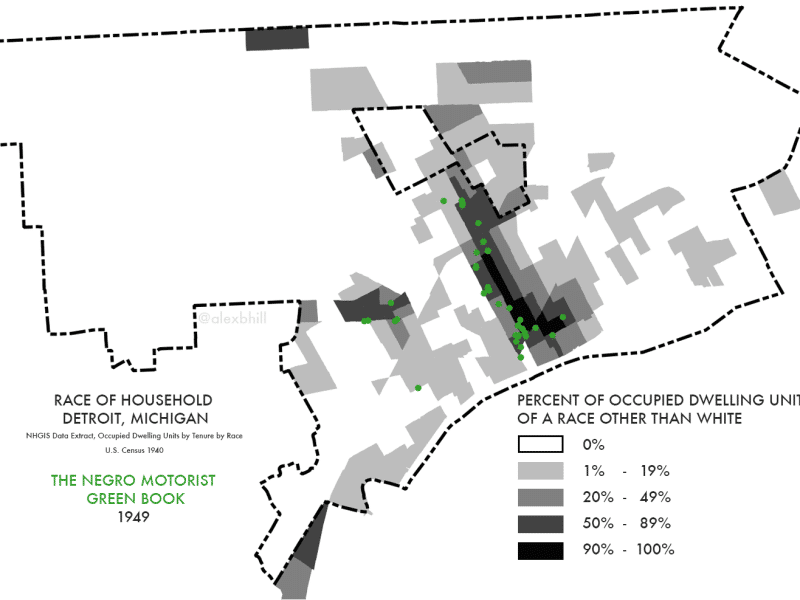
Green Books mirrored the state of discrimination, racism, and African American rights in the nation each year. Detroit's listings started in 1938.
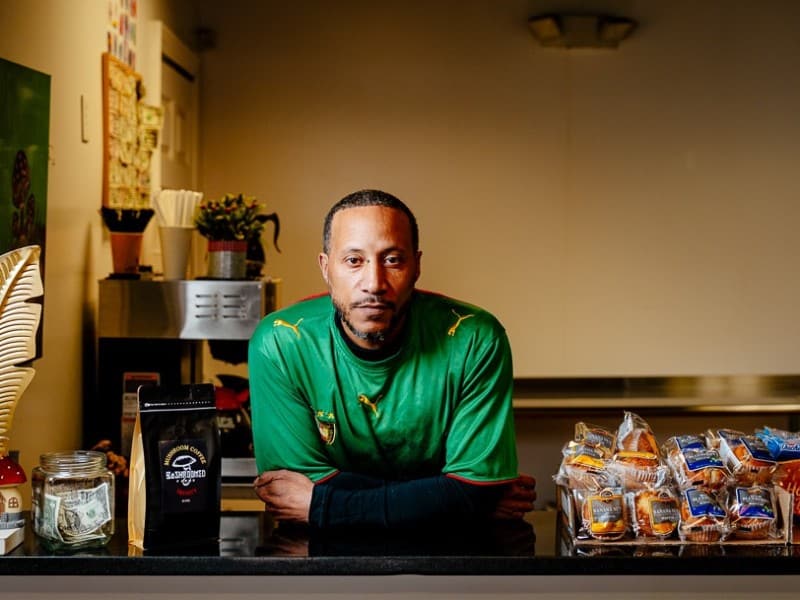
A Detroit mushroom farm and cafe owner bet on his city, and the response is sprouting business growth and expansion.
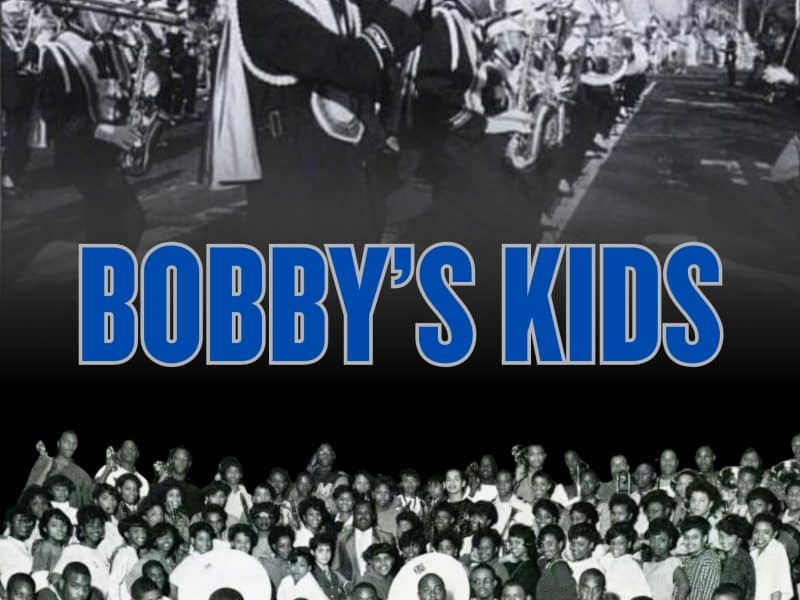
While other high school bands were into the traditional, military-style of marching, Brown’s band incorporated high-steeping and theatrical movements, similar to HBCU bands. The Mackenzie band would play radio hits with an electric flair, focusing on performance just as much as whole notes and treble clefs.
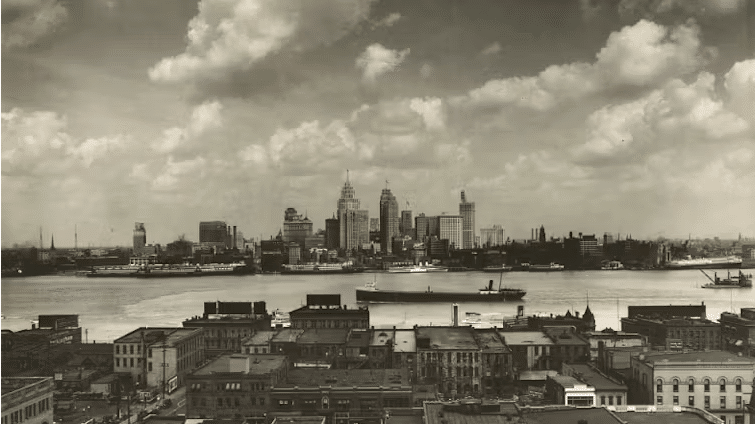
Detroit had approximately 18 Black-owned or Black-operated hospitals during the 1940s and ’1950s. Their decline followed structural and policy shifts. Hospital desegregation after World War II opened previously white-only hospitals to Black physicians and patients.

With 139 square miles of land – some blighted or unused and ripe for repurposing – Detroit is well-positioned to develop solar farms to help power city buildings.

Food waste makes up one-quarter of landfill waste and contributes to more methane emissions than other landfill materials. The Detroit Community Composting Collective Project is out to curb food waste by training backyard composters.

Whether you’re planning a romantic evening, a friends’ night out, or simply looking to experience something new, this Valentine’s Day weekend offers something for every mood.

In a city where Black culture and innovation shape every layer of life, representation in media leadership is not only symbolic: it is essential. I am honored to steward this publication forward with that responsibility in mind.

Detroit CDFI Coalition members continue to collaborate together, and advocate collectively for consistent Michigan CDFI funding to further propel their impactful mission-driven work in communities.
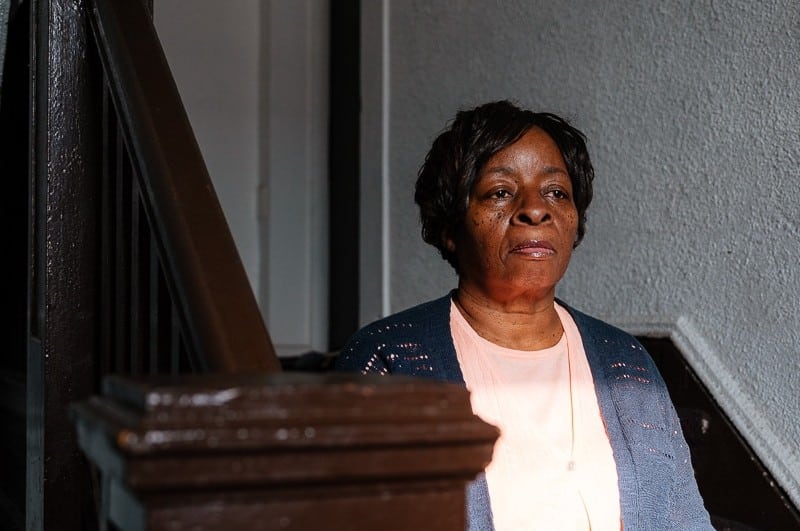
Before Detroit’s Right to Counsel ordinance, roughly 83 percent of landlords arrived in eviction court with attorneys, while only about 4 percent of tenants did.
Our Partners