How parks help to address health equity in Metro Detroit
Alongside health clinics, food pantries, and community centers, southeast Michigan's parks are increasingly becoming important hubs for advancing health equity in their communities.
Coverage of programs that deal with gender, age, sexual orientation, religion, physical ability, and socioeconomic status; are focused on fair access to resources and opportunities; and those that create environments where people feel welcome, respected, and fully accepted.

Alongside health clinics, food pantries, and community centers, southeast Michigan's parks are increasingly becoming important hubs for advancing health equity in their communities.
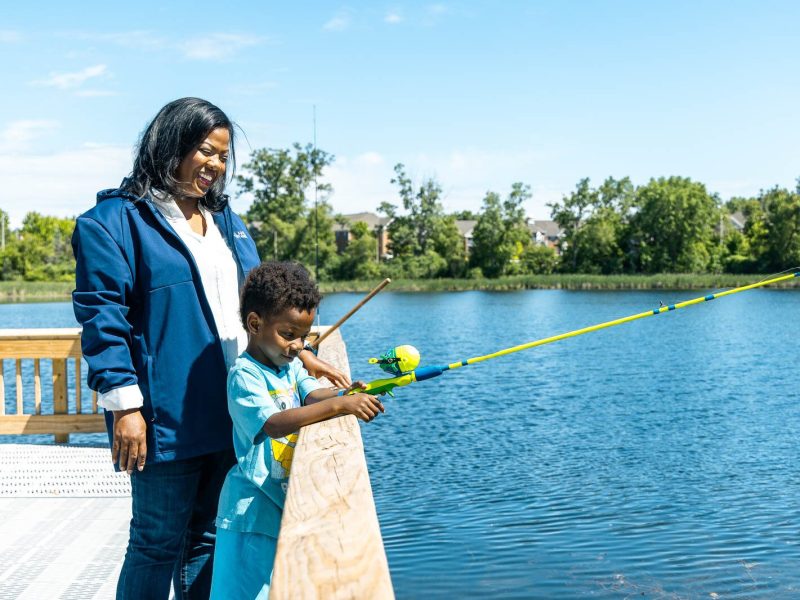
The Healthy Communities plan will bring five existing city parks into the county parks system, leading to improved infrastructure and maintenance, and support improvements at several other parks in the county.
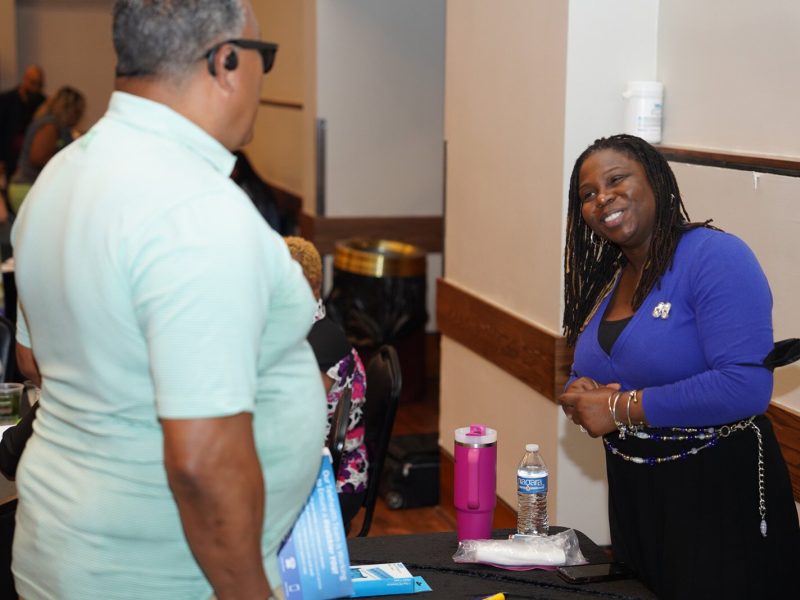
A broad coalition of Michigan organizations has come together to address health disparities that affect Michigan's rapidly growing population of older adults.

Michigan communities are repurposing spaces to bring services, create meeting places, and meet the many needs of neighborhood residents.
Michigan’s state and local public health systems make great efforts to ensure that expectant mothers and infants get the best start possible.
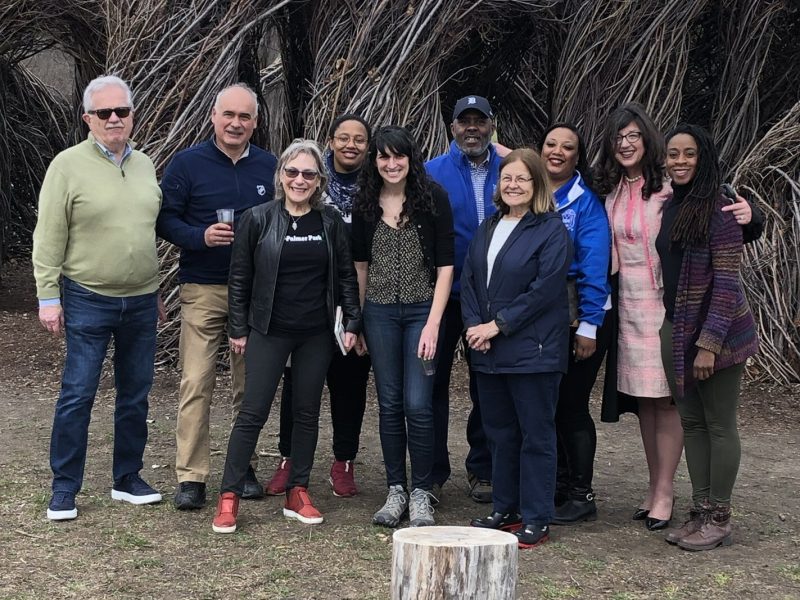
Park stewardship organizations help neighborhood residents to advocate for the improvements they want to see in their parks.

A new initiative called Metroparks and Me will fundraise for a program that offers free swimming lessons and another that provides supplemental science lessons in under-resourced classrooms.
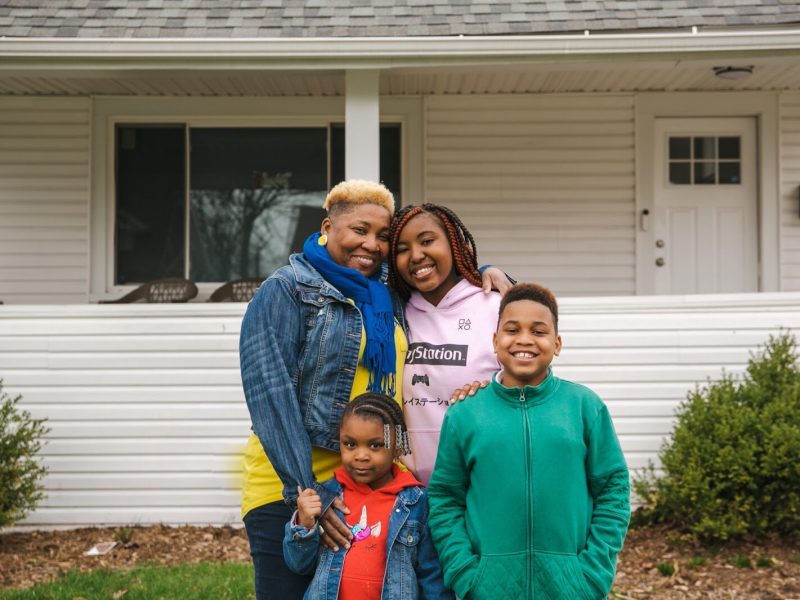
Michigan has a huge housing shortage. To address this need, many communities are utilizing community land trusts, like ICCF, to ensure affordable homeownership for generations to come.
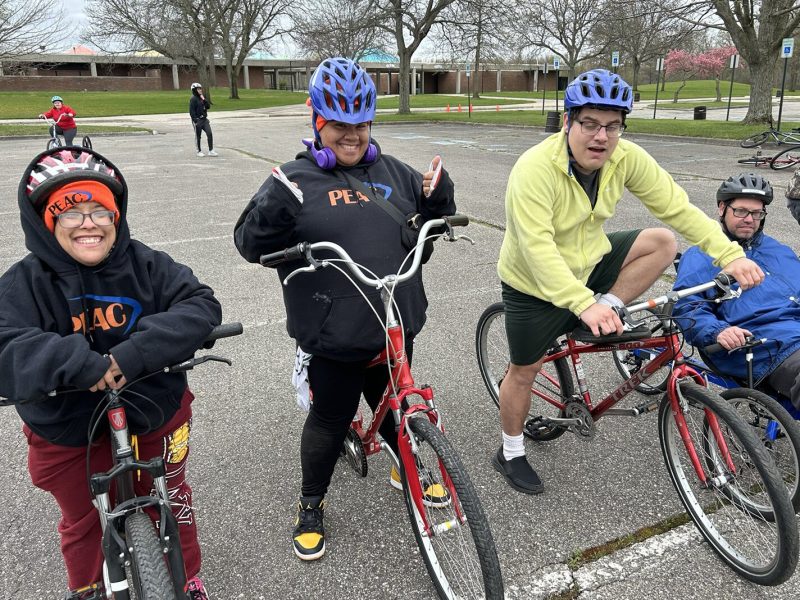
Parks systems across Southeast Michigan are working to eliminate barriers and make outdoor recreation a more easily accessible experience for residents with disabilities.
Corktown Health has evolved and grown from offering end-of-life services during the HIV/AIDS epidemic to providing primary care for the LGBTQ community. Through financial support from IFF, and through partnerships with local organizations including MiGen, the health network continues to provide a life-changing impact on the patients it serves.
Our Partners