How TéMaTé Is Keeping Detroit’s Black Cultural History Alive Through Dance
TéMaTé is using dance, music and storytelling to keep Detroit’s Black cultural history moving forward, one generation at a time.
Sierra Afrique was more than a nightclub. For more than two decades, the Detroit gathering place welcomed musicians, artists, Black immigrants and community members, creating a space for connection, culture and celebration before closing its doors. Today, its legacy continues through TéMaTé Institute for Black Dance & Culture, founded by Ajara Alghali, whose work carries forward the spirit of the space her father created.
For Alghali, founder and artistic director of TéMaTé Institute for Black Dance & Culture, that legacy has become part of her own work to preserve and advance African and Afro-diasporic dance traditions in Detroit.
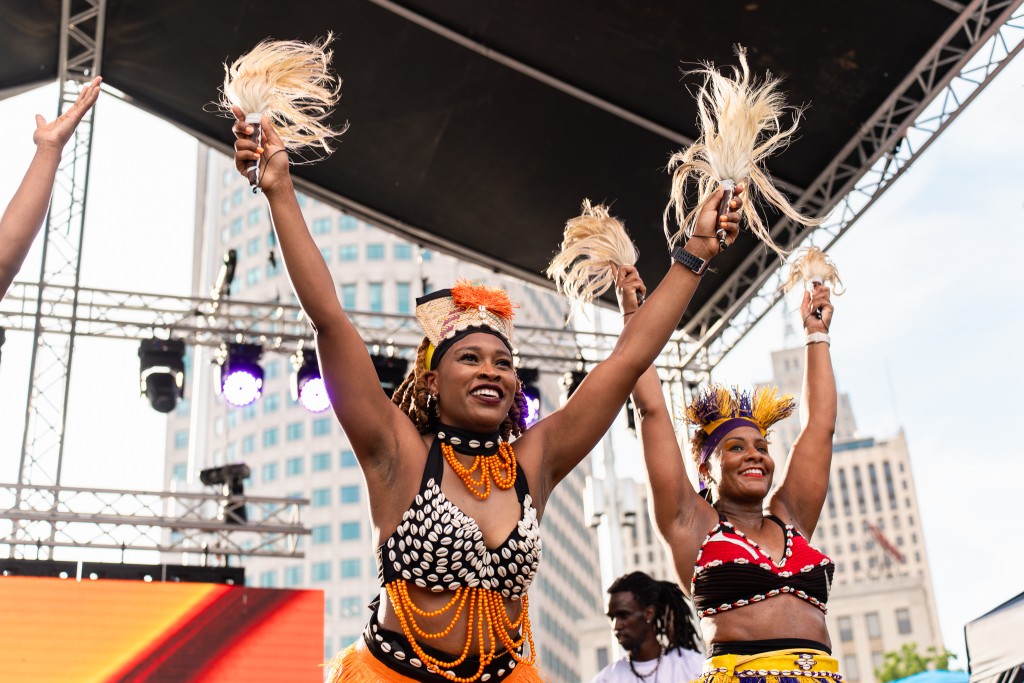
Sierra Afrique’s history inspired TéMaTé’s 2026 Convening for Dance & Culture, themed Evolving Legacy: A Journey of Reconnection. Held last month, the two-day gathering brought over 200 dancers, drummers, artists, cultural practitioners and community members together for workshops, live music, performances and conversations about culture, memory and community.
At the center of the convening was a question about what happens to cultural history when the physical places that held it disappear.
For Alghali, the answer can be found in the people.
Sierra Afrique was a Detroit cultural and community gathering place created by Alghali’s father. For more than 20 years, it welcomed international musicians and Black immigrants from across the African Diaspora while providing a place for Detroiters to gather, celebrate and build relationships. The space also hosted community meetings, including neighborhood block clubs.
Alghali grew up there, celebrating birthdays and experiencing the cultural exchange that took place inside its walls. When Sierra Afrique closed, the physical space disappeared, but its influence remained.
“Buildings can close, but the movement, music, relationships, and memories created inside them do not have to disappear,” said Alghali. “Evolving Legacy is about reconnecting with what formed us, honoring the people who kept those traditions alive and recognizing that our bodies can carry cultural knowledge forward into whatever we create next.”
Dance as a living archive
The convening explored the idea that dance can serve as a form of cultural preservation.
A rhythm can carry history. An elder can pass down knowledge through memory. A movement taught from one generation to the next can preserve a tradition even when it isn’t captured in a traditional archive.
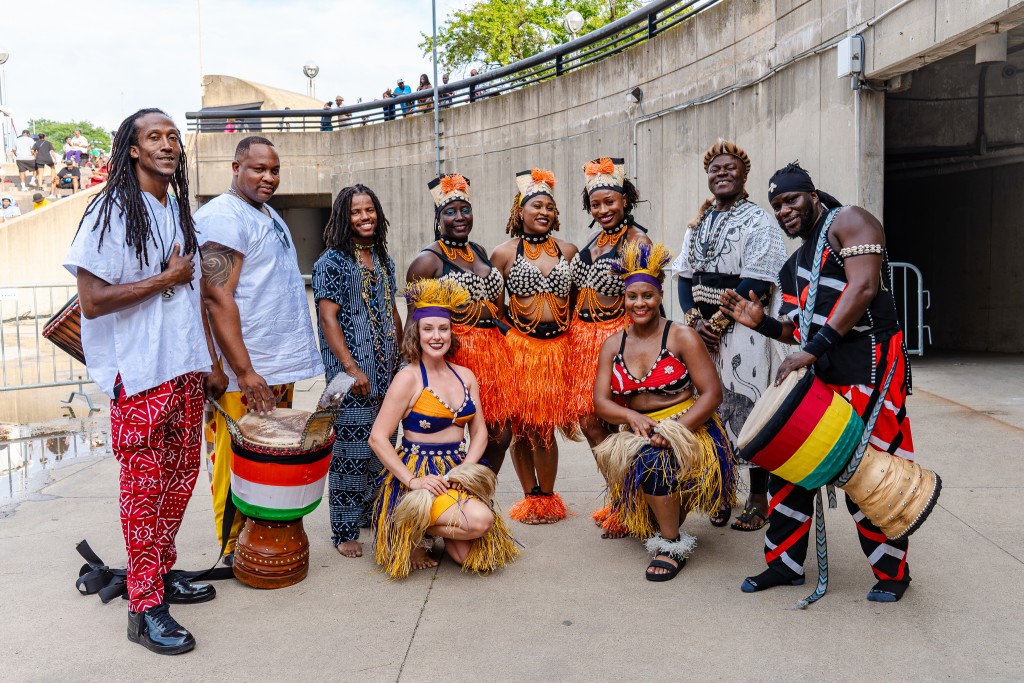
The weekend’s programming featured African and Afro-diasporic dance and drumming traditions, including Sabar, Djembe, Afro-Cuban movement and Dun drum dance. The event also brought traditional practices into conversation with contemporary dance, reflecting the ways Black dance traditions continue to evolve.
One featured work, DjeliDon, draws from a traditional rhythm and dance of the Mande region of West Africa dedicated to the Djeli, or griots. Griots serve as oral historians, musicians, counselors, mediators and keepers of cultural memory.
The work was selected to open a performance centered on storytelling and remembrance. Each dance in the concert represented an embodied memory, connecting movement to experiences, relationships, celebrations and moments of community.
For TéMaTé Performance Company member Sage Webb, dance provides a way to connect personal history with Detroit’s changing story.
“Having the ability to dance makes me think of who I used to be and what dance meant to me at multiple points of my life,” said Webb. “It brings back community where community has been lost and teaches me about who I am as a Black native Detroiter.”
Creating new connections
More than 200 people attended the 2026 convening, creating another gathering place for people interested in African and Afro-diasporic dance, culture and community.
The gathering also provided paid and developmental opportunities for artists to teach, perform and collaborate while connecting with audiences and other practitioners. TéMaTé’s regional relationships include Ayodele Drum & Dance, Muntu Dance Theatre, Afriky Lolo, Detroit’s House of Jit and Body Rhythms Dance Theater.
Featured instructors included Awa Pikine, a former dancer with the National Ballet of Senegal, and Los Angeles-based instructor Kati Hernandez, who brought Afro-Cuban movement to Detroit participants.
The work is part of TéMaTé’s larger effort to build a sustainable ecosystem for African Diaspora dance and culture in Detroit.
Founded in Detroit in 2018, the nonprofit works through performances, education, community advocacy, its annual convening, the DigitalJeli archive and community-based classes. The organization also advocates for dance justice and cultural equity while working to keep Afro-rooted traditions visible and sustained across generations.
Support from the Michigan Arts and Culture Council and the Gilbert Family Foundation helps TéMaTé expand programming, provide low- and no-cost cultural experiences, develop artists and musicians, and build its year-round organizational capacity.
Preserving what can’t always be written down
The story of Sierra Afrique reflects a larger challenge for Detroit: How does a city preserve the cultural history created in places that may no longer exist?
For Alghali, preservation does not necessarily mean keeping every physical space intact. It can also mean making sure the knowledge, traditions and relationships created there continue to move through the community.
That is where TéMaTé’s work comes in.
The organization is creating new spaces for people to learn, perform and connect while using dance as a way to carry stories forward. In that sense, the work is both a remembrance of what Detroit has had and an investment in what its cultural future can become.
And the opportunity to participate in that work continues beyond the annual convening.
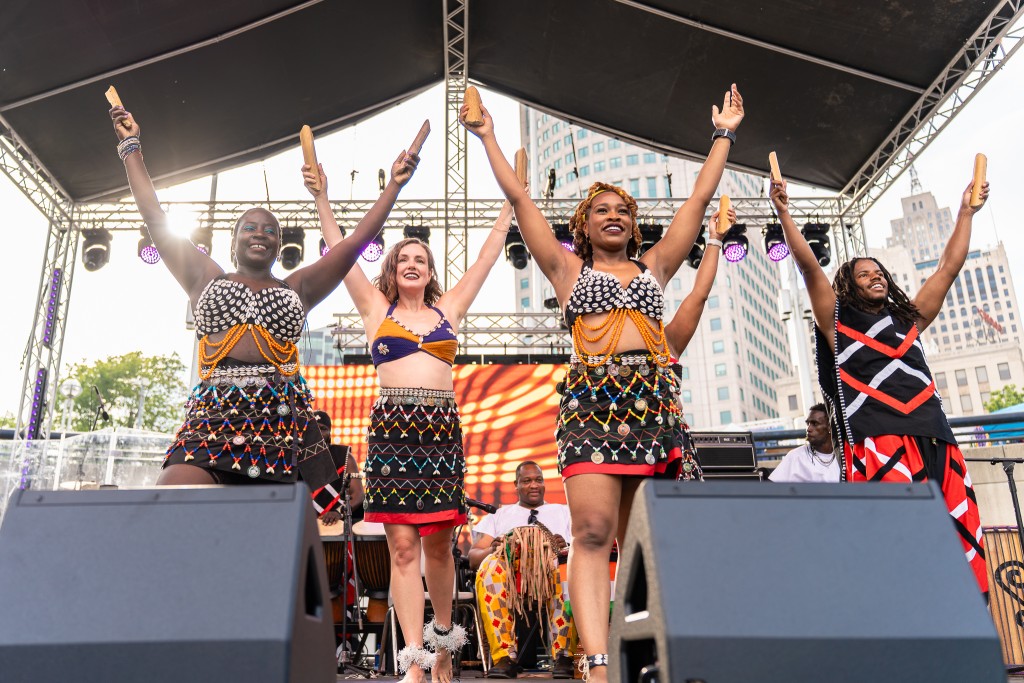
TéMaTé’s weekly West African dance classes continue through Dec. 2, with the final class of the year taking place from 6 to 7:15 p.m. at Andy Arts, 3000 Fenkell in Detroit. The classes are $15.75 and open to all levels, giving those who missed the convening another opportunity to experience TéMaTé’s work before the end of the year.
Registration is available through TéMaTé’s weekly dance class registration page.
For Alghali and TéMaTé, the legacy of places like Sierra Afrique lives on not simply by remembering them, but by continuing to gather.
The buildings may change. The neighborhoods may evolve. But the music, movement, stories and relationships can continue — carried by the people who remember and the generations who learn.
Author

Related Articles
Summer Bliss Festival Combines Detroit Culture With Community Impact
Summer Bliss Music & Arts Festival celebrates the city’s creative energy through music, art, local businesses, interactive experiences and more, while creating opportunities for artists and giving back to the community.
Inside Dennis Reed II’s Mission to Make Detroit a Film Powerhouse
Detroit isn’t waiting for Hollywood’s approval. Filmmaker Dennis Reed II is helping redefine independent cinema, producing dozens of films and showcasing why the Motor City remains a blueprint for creativity and storytelling.
How Detroit’s East Canfield Art Park merges public art, health data
Sculpture at East Canfield Art Park on Detroit’s east side embeds air quality monitors in public art, providing real-time environmental data for a community living near industrial facilities.