How once-vacant sites are becoming hubs for health equity in Michigan
Marginalized Michigan residents are finding health services in easily accessible neighborhood locations, and formerly defunct buildings are becoming bright spots on their blocks.

State of Health is a series about how Michigan communities are rising to address health challenges. Previous coverage examined health disparities and how they affect Michigan's children and seniors and integrated care and its potential to improve Michiganders' health. This series is made possible with funding from the Michigan Health Endowment Fund.
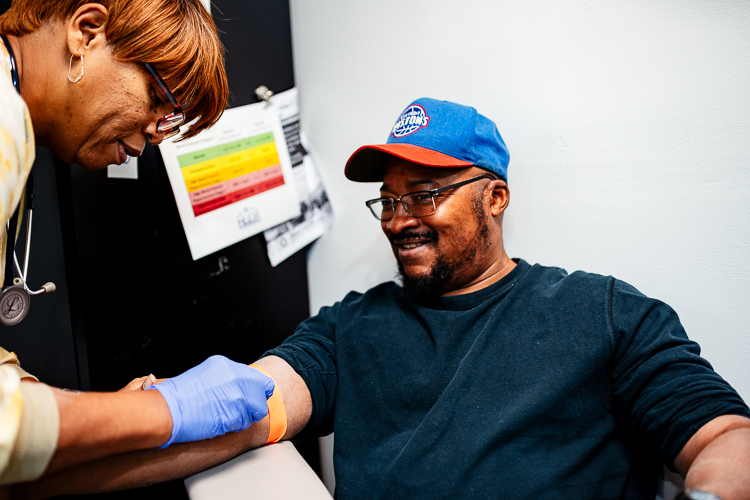
Marginalized Michigan residents are finding health services in easily accessible neighborhood locations, and formerly defunct buildings are becoming bright spots on their blocks.
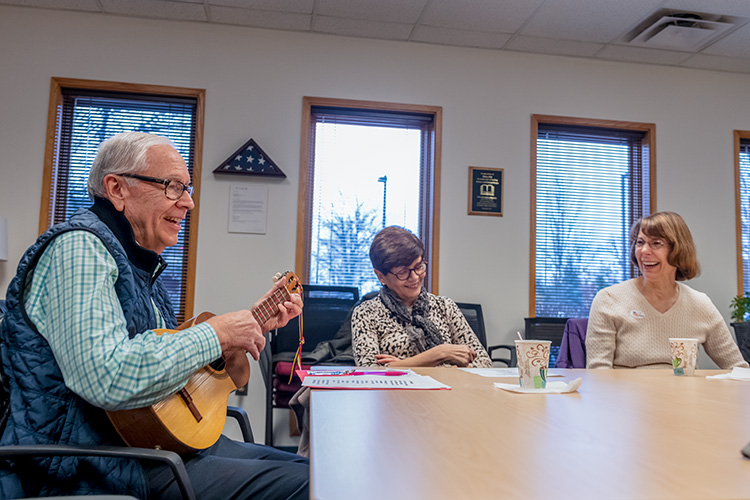
Seniors may face numerous barriers to health, including but also going far beyond basic access to medical care. These Michigan communities are taking innovative steps to improve older residents' quality of life.
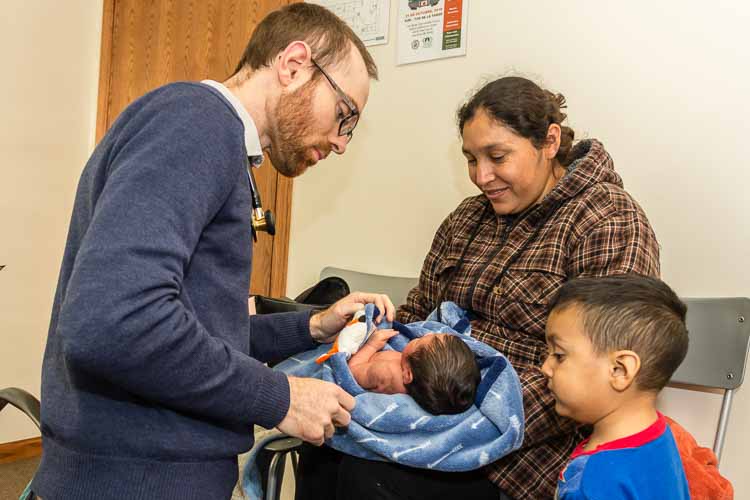
Many rural Michiganders face health disparities, but multiple organizations are creating new ways of structuring rural hospitals and clinics and reaching out to rural patients.
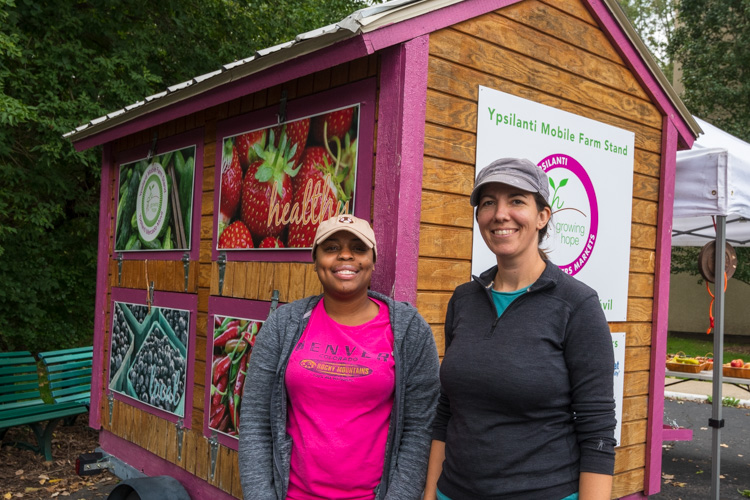
Through mobile farm stands, education programs, and creating a "food sovereign city," organizations in communities across Michigan are helping to close the gap when it comes to what we eat.
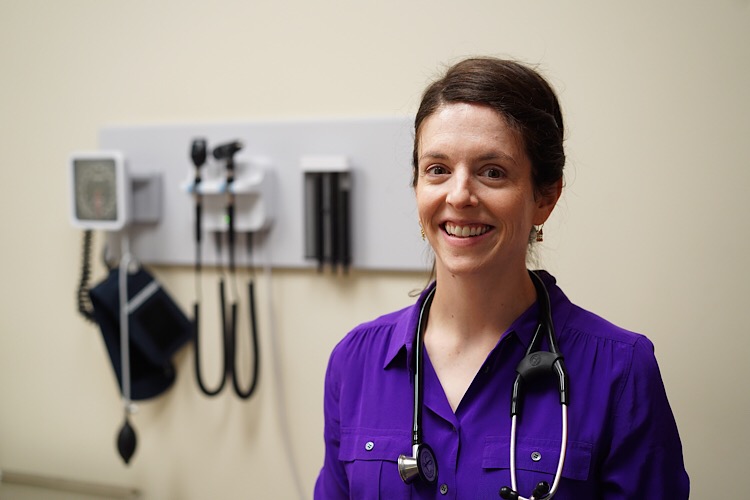
Many healthcare organizations across Michigan are finding creative ways to provide accessible healthcare to Michigan's most vulnerable residents: the homeless.
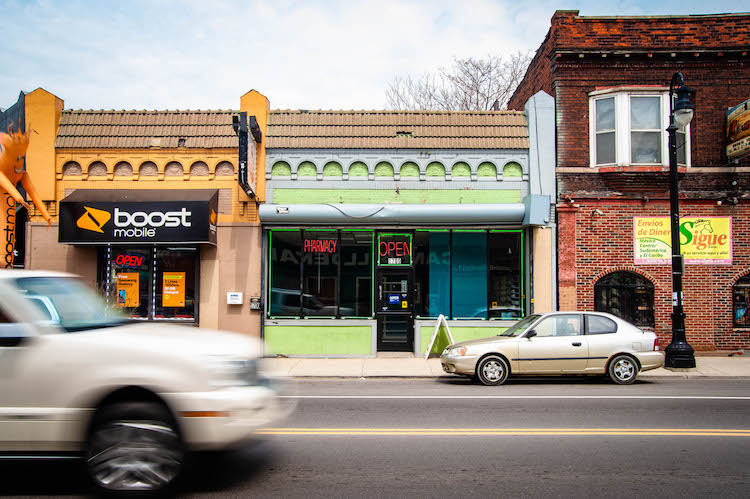
Dr. Mark Beard, founder of Medicina Urbina, combines osteopathic medical techniques with standard medical practices in his holistic approach to health and wellness.
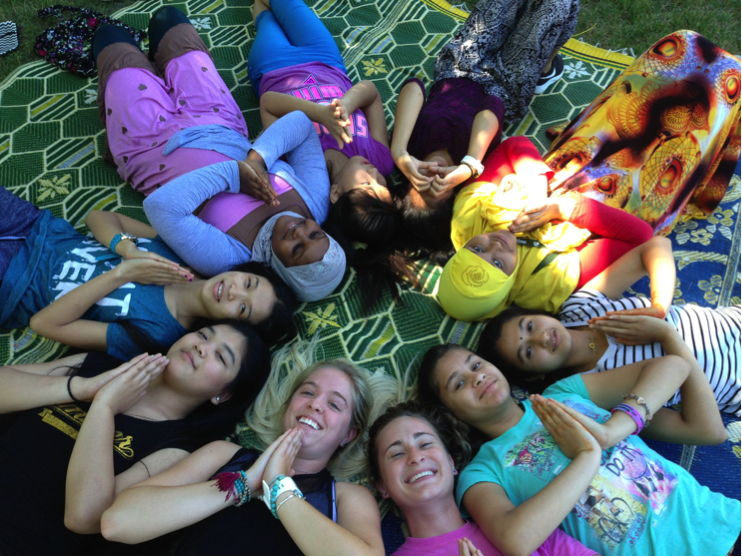
One in five children is affected by mental illness, but getting students access to the mental health resources they need is a challenge.
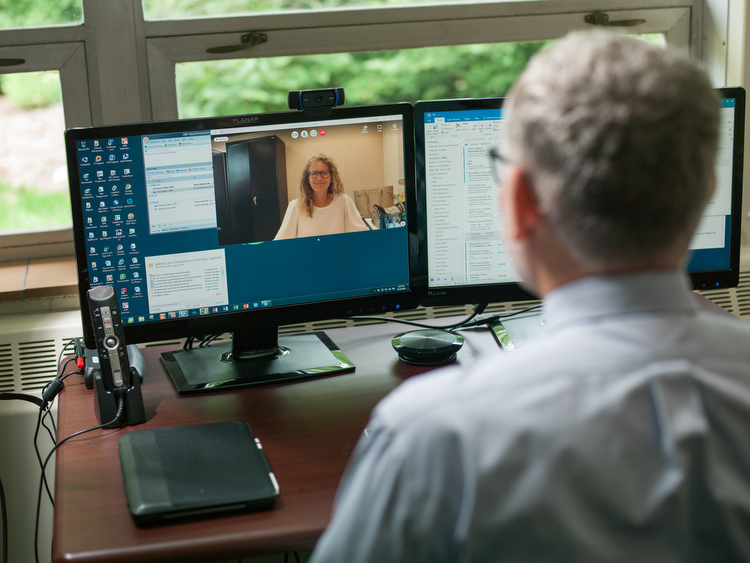
Programs that allow patients to confer with medical staff via phone or videoconferencing have the potential to create more equitable access to health care, but they're underutilized for a variety of reasons.
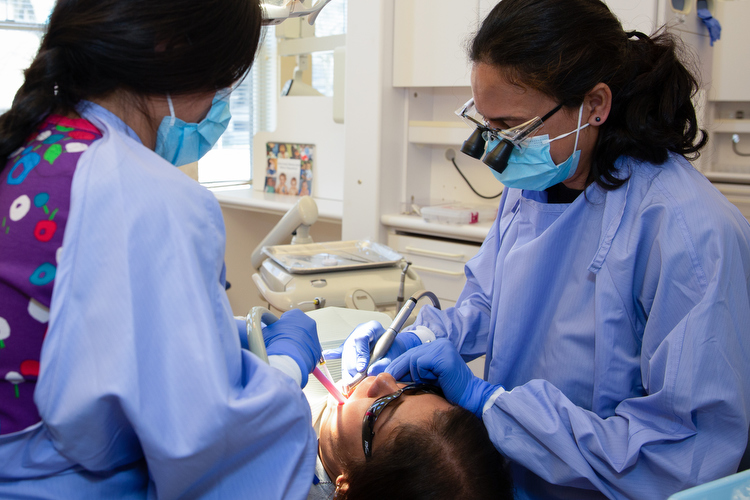
A variety of organizations across the state are working to connect people to oral care they otherwise might never get, and they're innovating to continue improving oral health access in the future.
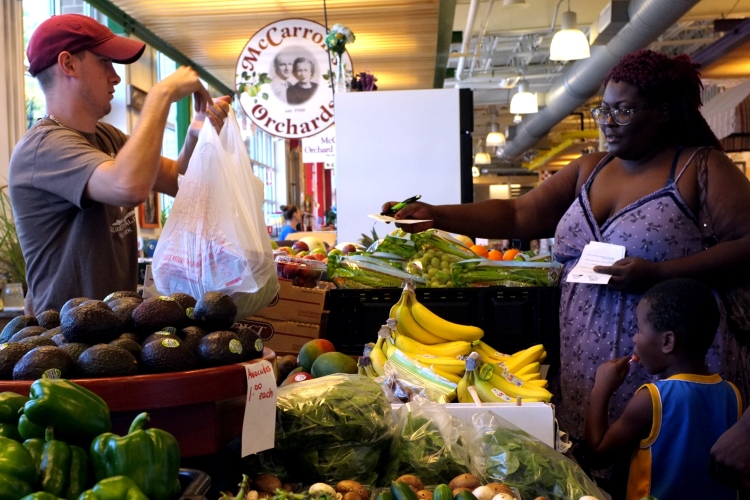
For many people, it's not always easy to find and buy fresh food. Culinary medicine initiatives aim to address that by increasing access to healthy food and building awareness of the importance of nutrition.
Our Partners