How Michigan’s #1-Ranked Free Pre-K Program Is Closing Detroit’s Kindergarten Gap
DPSCD’s Great Start Readiness Program is giving Detroit’s youngest learners a head start by preparing them for kindergarten through high-quality, play-based education and skill development.
The Great Start Readiness Program (GSRP), a free, state-funded preschool program for Detroit Public Schools Community District (DPSCD), sets up income-eligible preschoolers for grade-school success early on. The program combines conceptual learning with emotional and social skill development, bridging the gap between preschoolers who finish kindergarten ahead of their class and those left trailing behind.
Studies published on startearly.org show that children enrolled in enriching early childhood education typically have better life outcomes. They are also more likely to stay in school longer, graduate high school, attend a four-year college and experience better health overall. The North Carolina Abecedarian Project, one of the world’s oldest and most cited early education studies, conducted by the University of North Carolina at Chapel Hill, found that children who receive high-quality early education from infancy to age 5 perform better in reading and math. As of spring 2026, GSRP students entering kindergarten performed at or above grade level in reading 75% of the time, compared with 73.9% for their non-GSRP classmates, and 60.2% versus 59% in math. In simple terms, GSRP-prior children finish kindergarten roughly two weeks of instruction ahead in both reading and math, leading to the conclusion that high-quality early childhood programming like GSRP is the difference-maker in early childhood advancement.
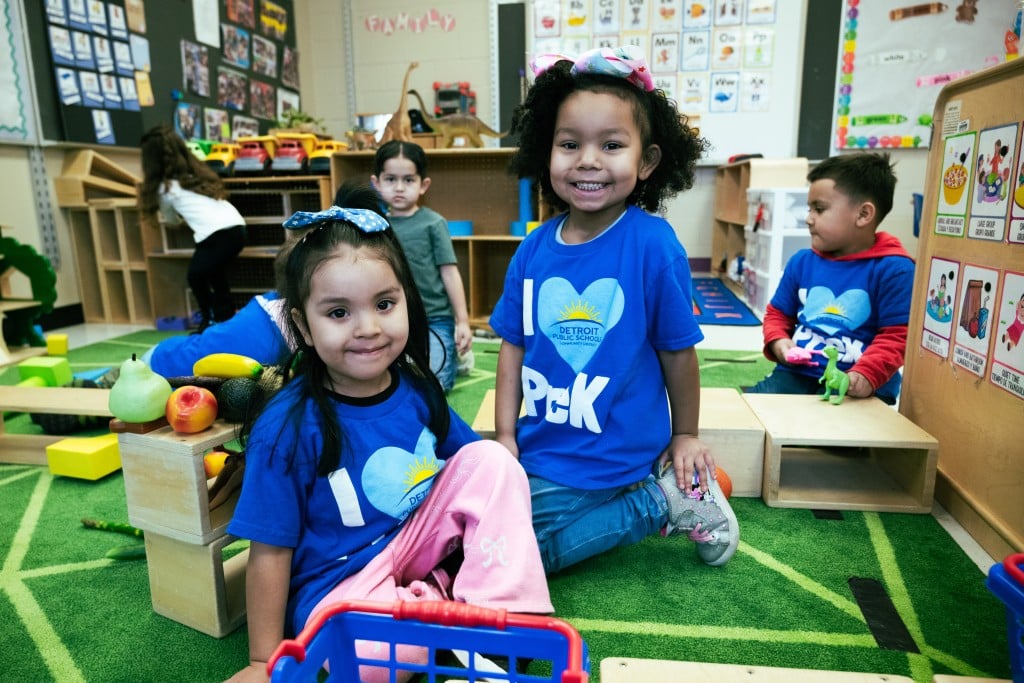
“Every kid deserves a strong start, and we’re working together to help more families access free pre-K,” said Governor Gretchen Whitmer in an interview with ClickOnDetroit. “Thanks to our hard work and historic investments, nearly 55,000 Michigan children are enrolled in the Great Start Readiness Program. Free preK saves families $14,000 annually and helps more kids walk into kindergarten ready to learn, grow, and read.”
Since its establishment in 1985, GSRP — formerly known as the Michigan Readiness Program — has enrolled more than 35,000 of Michigan’s children with the greatest need. The National Institute for Early Education Research (NIEER) ranks GSRP as the No. 1 early childhood program in the country for reducing the achievement gap in math, science and literacy between higher- and lower-risk preschool children. With 55,000 new enrollees this year, marking the largest enrollment in the program’s history, the potential for growth has never been more prevalent. MiLEAP Director Beverly Walker-Griffea, who was recently appointed to lead the Michigan Department of Lifelong Education, Advancement, and Potential, points to the program’s 104% increase since 2021 as part of the state’s commitment to making top-tier education more affordable and accessible from pre-K through postsecondary.
The hike Student performance data reflects a similar trend. Beginning in the 2023-24 school year, progress in reading and math has consistently trended upward. GSRP-prior students reported a reading improvement rate of 8.1% to 70% at or above grade level from fall to spring, and a math improvement rate of 3.5% to 56.1%. Non-GSRP students reported a reading improvement rate of 8.7% to 63.9% and a math improvement rate of 4.4% to 51.3% — a difference of 6.1% in reading and 4.8% in math between the two groups. The percentage of children still below grade level in reading also declined, from 36% to 30%.
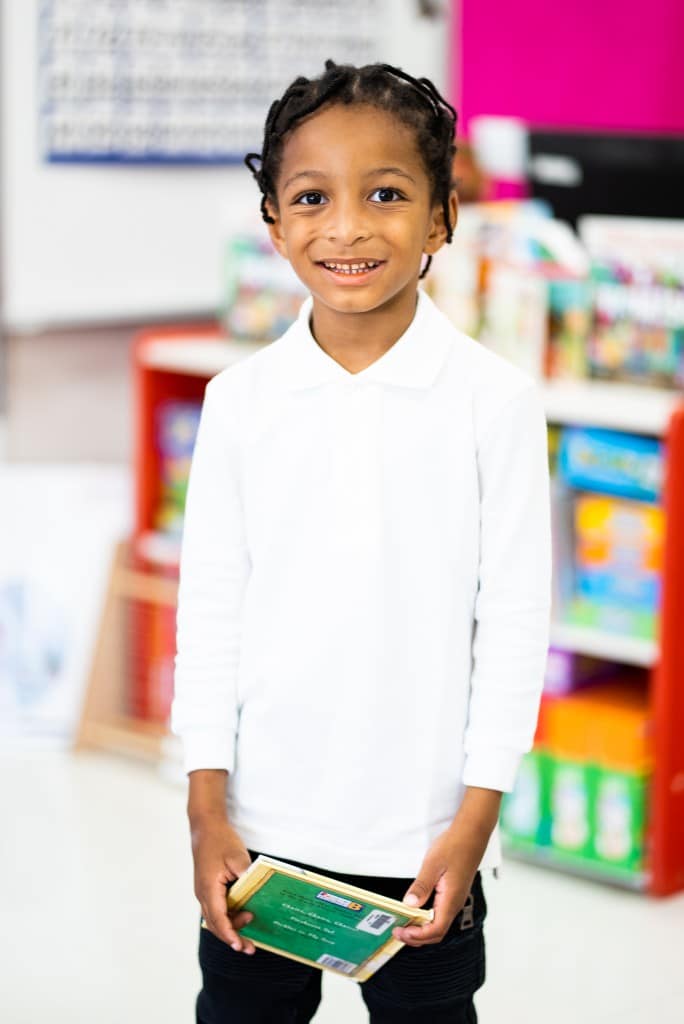
While long-term effectiveness beyond third grade has yet to be determined, these promising numbers tell a very distinctive story. Outside of the global pandemic where isolation and remote learning disrupted access to quality education significantly, the first post COVID-era pre-K class led in math and reading over their Non-GSPR peers through Grade 3. On the Michigan Student Test of Educational Progress (M-STEP) test, the first non-pandemic class scored higher than the COVID era class by 1+ in reading and 3+ in math. Fewer of the students finished the year below grade level and more stayed enrolled, further proving despite shared impoverishment and special circumstances, participation in GSRP lifts economically disadvantaged children up and places them on par with their non-GSRP classmates.
DPSCD plans to follow GSRP cohorts from the pre-pandemic 2018-19 class to the present as they advance from third grade into fourth through sixth grades, in hopes that early gains in reading and math comprehension hold as time progresses. So far, the lead holds steady in third grade on the preliminary 2026 M-STEP — a promising step in the right direction.
Despite uncertainty about GSRP’s lasting effects on young scholars, one thing is certain: children who don’t develop crucial social and emotional skills fall behind as early as kindergarten, placing them at a disadvantage compared with their peers. With premier programs like GSRP at the forefront of early childhood development, the future of Michigan’s youngest residents has never looked brighter.
Related Articles
On the Rise Academy Is Building Detroit’s Next Generation of Diverse Educators
Detroit is building its next generation of educators. On the Rise Academy is creating a more diverse teacher pipeline through hands-on training, certification and career opportunities rooted in the community.
خرافة الاحتيال في رعاية الأطفال تُغفل القصة الأكبر
فبالنسبة للأغلبية الساحقة من مقدّمي الخدمة العاملين بصورة شرعية، لا يضيف التدقيق الإضافي سوى مزيد من الضغط على نظام مُجهَد أصلاً.
The School at Marygrove Increases Access and Engagement with Middle School Expansion
From kindergarten through college readiness, The School at Marygrove is helping Detroit students discover their voice, achieve academic success, and prepare for bright futures.