“I said no:” A story too many women share
From silence to speaking out: honoring survivors and shedding light on the impact of violence against women.
Trigger warning: This piece discusses sexual violence and may be triggering for some readers. Please take care while reading and engage at your own pace. Support resources are listed below for anyone who may need them.
There are a lot of issues that are dealt with in this world. The biggest one I’ve struggled with since my freshman year in college is the fact that I had an allergic reaction and didn’t know what to do about it. My friends didn’t take it seriously, I didn’t tell my parents for months, and the person who caused the reaction wouldn’t admit to causing it. As much as I told him I didn’t want any food and to stop trying to give it to me, he still proceeded.
Okay. Now. Before this story gets out of hand, I’m going to be straight up. I didn’t have an allergic reaction to anything my freshman year. Instead, I just provided you with an analogy to my actual situation: I was sexually assaulted.
The statistic that one in five college women are sexually assaulted is one that I’d fallen victim to within my first two months. I had yet to experience a college homecoming, relationship or even report card: yet I had to deal with this trauma in addition to the pressure of surviving my first year of college.
Being that my assailant was someone I’d first attended high school with, and then college, I didn’t know how to go about the situation. I was in shock. I knew I never wanted to speak to him again but I was unsure if I wanted to speak out about what occurred on that dreary night. For whatever reason, I was concerned with protecting him even though I knew I hated his guts. I had Stockholm Syndrome. I didn’t know why, but beyond fear of retaliation from one of the most powerful people on campus, I was fearful of tarnishing his image. Two days later, there was a presentation given to the freshman class about sexual assault where we were informed on resources and who to turn to if we were ever in such a situation. Still in denial, I put my earphones in while sitting in the back of the auditorium and tuned the speaker out, even though I’d already heard what I needed to hear.
Four additional days passed, and the syndrome began to fade. I went to the health center on campus for a check-up, but mainly because I wanted and needed someone to talk to. As I sat on the burgundy examination table, I nervously shifted from left to right. The disposable paper strip began to crumble and tear. The nurse finally came in. She introduced herself and took my vitals: temperature, blood pressure, the whole nine. “Are you sexually active?” she asked. Overcome with anxiety and emotion, I just looked at her. I gave her a look that was probably the longest and most confusing of at least one of our lives. Were the walls caving in, or was it just me? My palms got clammy, sticking to the paper strip as it crumbled. My heart rate was speeding up – this would’ve been the time to take my vitals because the ones on her clipboard were no longer accurate. I. Was. So. Hot. My chest was tightening. I couldn’t breathe, but I finally figured out how to release the knot from my throat to respond. “I…I don’t know.” Glancing down at her clipboard, then back up at me, she raised an eyebrow. I began to fidget some more. Left. Right. Left. Right. Crumble, crumble, tear. “I’m…a virgin?” She raised the other brow. I could only imagine what was going through her mind, ‘Well are you, or aren’t you? Is this really a question? Why are you fidgeting, young lady?’ Right. Left. Right. Crumble, crumble, tear. “Um…well, I think I was…” Crumble. Tear. “…Assaulted.” A wave of regret, fear, self-hate, sadness and a host of emotions that I’m sure are first cousins with the previously mentioned ones paralyzed and continue to paralyze me, and other women apart of the one in five.
The collegiate world needs to do a better job at penalizing its constituents for taking advantage of women. My assailant graduated with honors. As did I, but I graduated with four years of trauma in addition to said honors. It’s been over ten years since that eerie night, and I still find myself looking over my shoulder and making strategic adjustments, so we hopefully don’t end up in rooms together – as we both went to college out of state, but we’re both from Detroit. I pray for the women he preys on, not knowing he’s ever been reported to his alma mater because he was protected among the campus like the countless others who have victimized women. He’s no better than the men who blamed women for their actions toward them and are appointed to high corporate and political positions; or those who surprisingly received jail time, but after serial assaulting how many young women? Too many times, these beings are publicized and recognized yet rarely ostracized for what they’ve done. The pain and trauma they’ve caused. They don’t have to worry about having an allergic reaction – being raped – for what they wear, how drunk they are or their bodily proportions. They only have to worry about being a part of the 99 percent that will never see a jail cell; never feeling waves of regret, fear, self-hate, sadness and emotions that are first cousins with the previously mentioned ones paralyzing and continuing to paralyze myself, and other women a part of the one in five.
As Sexual Assault Awareness Month comes to an end, I dedicate this piece to every survivor. I believe you. I stand with you. Your voice matters, your story matters, and you deserve care, dignity, and healing. Help is available, and remember: you are never alone.
Resources for Survivors & Supporters in Detroit:
In a city as resilient as Detroit, survivors of sexual violence are not alone. There is a growing network of organizations committed to advocacy, healing, and justice: spaces where survivors can find both support and community.
Avalon Healing Center; 24-hour helpline: 313-474-SAFE
First Step; 24-hour helpline: 734-722-6800
Office of Sexual Violence Prevention and Education (OSVPE) at Wayne State University
RAINN (Rape, Abuse & Incest National Network); Text HOPE to 64673
SASHA (Sexual Assault Services for Holistic Healing and Awareness) Center
YWCA of Metropolitan Detroit; 24-Hour Helpline: 313-861-5300
In addition to these established organizations, I founded Operation S.A.S.H.: Sexual Assault Stops Here, as both a personal and community-driven response to a gap I experienced firsthand. While living out of state, I encountered a lack of accessible, culturally responsive resources for survivors like me. That absence stayed with me.
When I returned home to Detroit, I was grateful to be able to contribute to the powerful network already in place by creating an organization rooted in awareness, education, and survivor support. Operation S.A.S.H. exists to stop secrecy, demand accountability, and offer healing – standing alongside the many organizations across the city working tirelessly to ensure survivors are seen, heard, and supported.
And still, we persist.
We speak, even when our voices shake. We heal, even when the process is not linear. We show up for ourselves and for one another, reclaiming the power that was never meant to be taken from us. This is not just about survival, it is about restoration, accountability, and a future where silence is no longer the norm.
To every survivor reading this: your existence is resistance. Your healing is revolutionary. And your story – no matter how or when you choose to tell it – deserves to be honored.
This is how we end the cycle. By telling the truth. By believing survivors. By refusing to look away.
Author

Related Articles
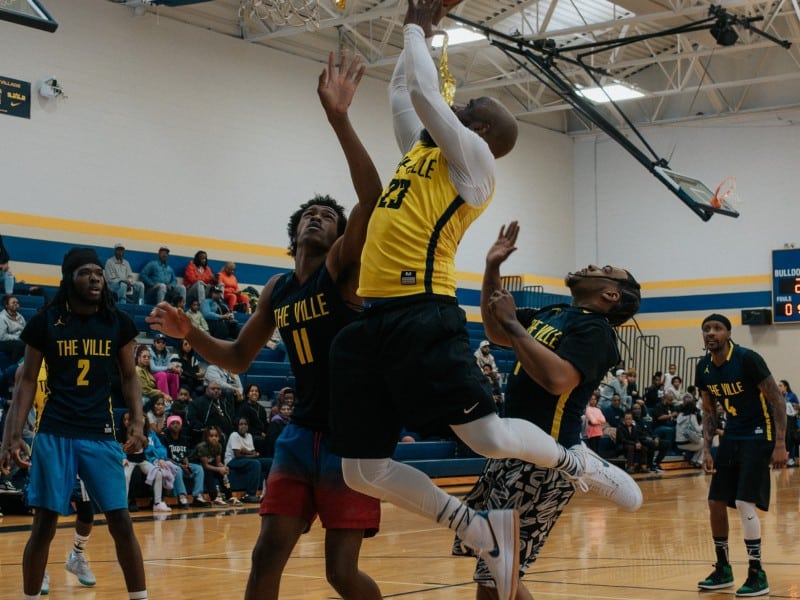
Detroit Veteran Returns Home to Build a Future for Youth Through Outside the Box
Through basketball, community partnerships and a shared commitment to Detroit’s future, Outside the Box is creating new opportunities for the city’s next generation.
On-Demand Coaching helps Michigan municipalities and their small businesses build a winning team
Program helps municipalities connect small businesses and entrepreneurs with existing capital and technical assistance.
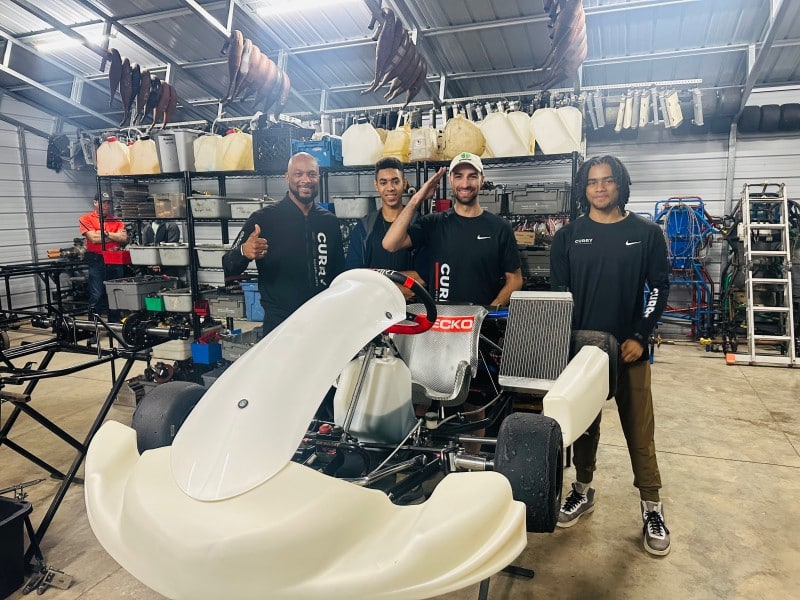
Detroit leaders reimagine summer programming with purpose, exposure, and possibility
Going beyond traditional summer camps, these Detroit leaders offer hands-on learning, mentorship and exposure to careers in sustainability and motorsports.