Partner Partner Content “When I grow up.” Inspiring kids to dream big about careers in health care
These collaborations show how growing interest in health care careers can begin early.
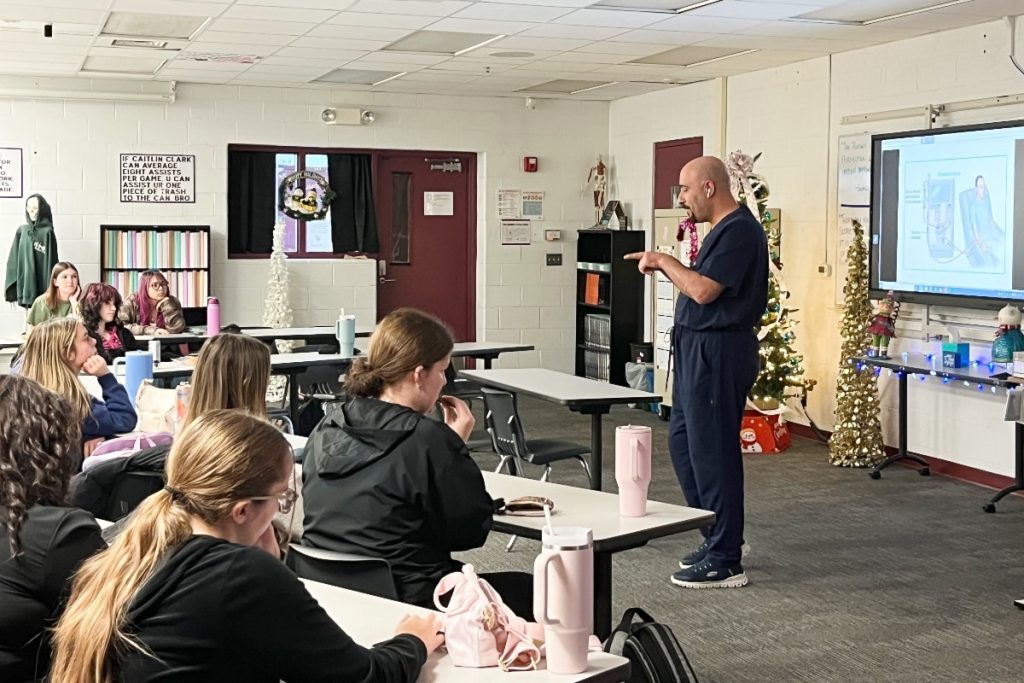
The November 12, 2025 Michigan Health Council (MHC) Solutions Summit created a space where health care systems, public health agencies, educators, and health care professionals shared successful collaborations that are building the health care workforce. Presentations spoke to the four pillars of MHC’s 2025 Michigan Healthcare Workforce Plan: 1) Grow interest in health care careers; 2) improve access to health care education; 3) increase experiential education capacity; and 4) explore recruitment and retention strategies.
As Mark Burley, state director of Michigan HOSA-Future Health Professionals, shared, growing interest in health care careers starts early.
“Michigan HOSA is a career technical student organization for any student interested in going into the health care field … middle schoolers, high school level, or even collegiate level,” he says. “It helps develop their leadership skills, allows for career exploration, and provides opportunities for community service. Also, students compete at a regional, state, and national level in close to 100 events related to health care fields.”
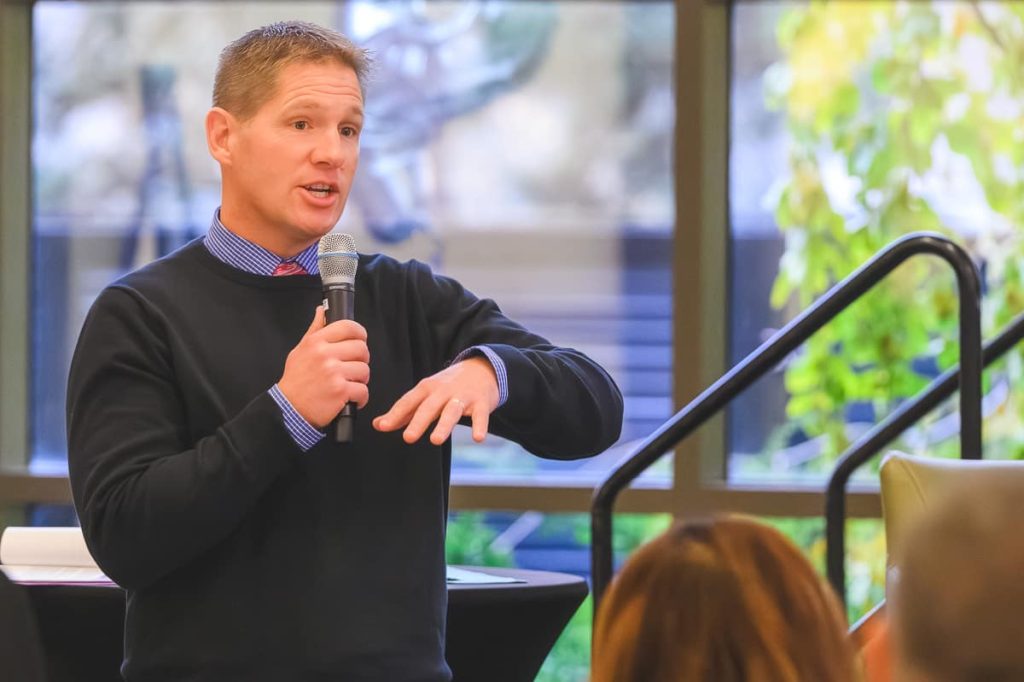
Health care professionals judge HOSA’s competitive events. The annual HOSA State Leadership Conference career fair gives students another opportunity to network with health care professionals in a wide variety of careers. In 2025, about 3,000 students took part. By exposing youth to health care careers early, HOSA helps them develop both the technical and soft skills they need to succeed.
“There is a dire need for people to go into the health care field,” Burley says. “Many people start making decisions about their career at a young age, as early as middle school.”
When most kids ponder health care careers, they think doctor or nurse. HOSA exposes them to hundreds of different health care occupations — and for the squeamish, many that don’t involve blood.
“Ultimately, the field is about nurturing and getting patients back to good health — it’s mission related,” Burley says. “It’s helping people get better every day. And that’s a good cause.”
Burley tells the story of two Novi high school students, Kevin and his best friend Michael. Kevin wanted to start a HOSA chapter at his high school. He asked Michael to help. Even though Michael wasn’t interested in a health care career, he wanted to support his friend. So, he helped Kevin launch the chapter. Michael now works as a biomedical engineer.
“We’re exposing middle school and high school students to health career fields,” Burley says. “Hopefully, we spark a little interest so they go into health care.”
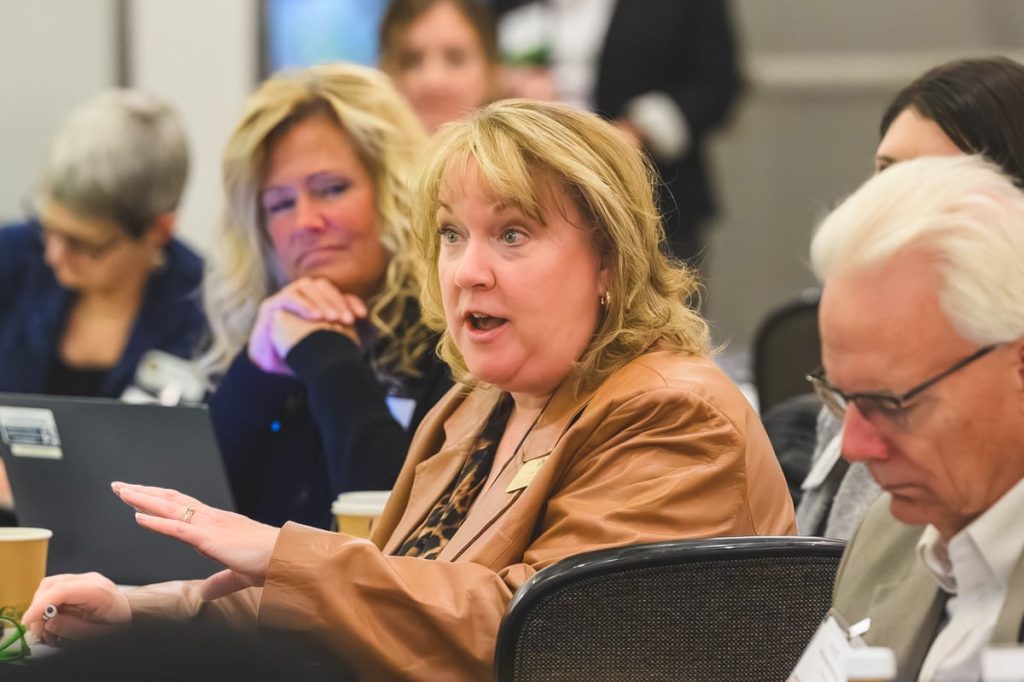
U.P. consortium connects kids, college, and careers
Lake Superior State University, MyMichigan Medical Center Sault, Bay Mills Community College, and Sault Area High School comprise the Eastern Upper Peninsula Healthcare Pathways Consortium, another collaboration highlighted at the MHC Solutions Summit. This collaboration introduces students to health care career options, prepares them for some health care occupations that they can jump into right out of high school, and streamlines access to the university and community college. The university offers a bachelor of science in nursing and pre-med programs. The community college provides certified nurse aide and future licensed practical nurse training. MyMichigan Sault facilitates clinical experiences and job placement.

The high school offers health science classes to spike early interest in health care careers. Kathleen Moore transitioned to teaching these classes at Sault High School after a career as a registered nurse.
“Freshmen can take a semester-long Introduction to Health Care Careers class. We give them a taste of some jobs that are out there to see if that’s something they’re interested in,” Moore says. “Sophomores can take health science and then kind of grow in that … through senior year. We have our Career Center classes for health care careers specifically.”
The Career Center provides foundational certifications in CPR, first aid, OSHA, and HIPAA and prepares students for certification as certified nursing assistants, patient care technicians, medical assistants, and other certification-based health care positions. Through arrangements with the university and community college, students can receive college credit in some health science courses. Sault High School also has an active HOSA chapter.
“That’s another way for students to get involved and check out things,” Moore says. “The whole combination is exciting and fun and gives them the opportunity to jump in and have these opportunities.”
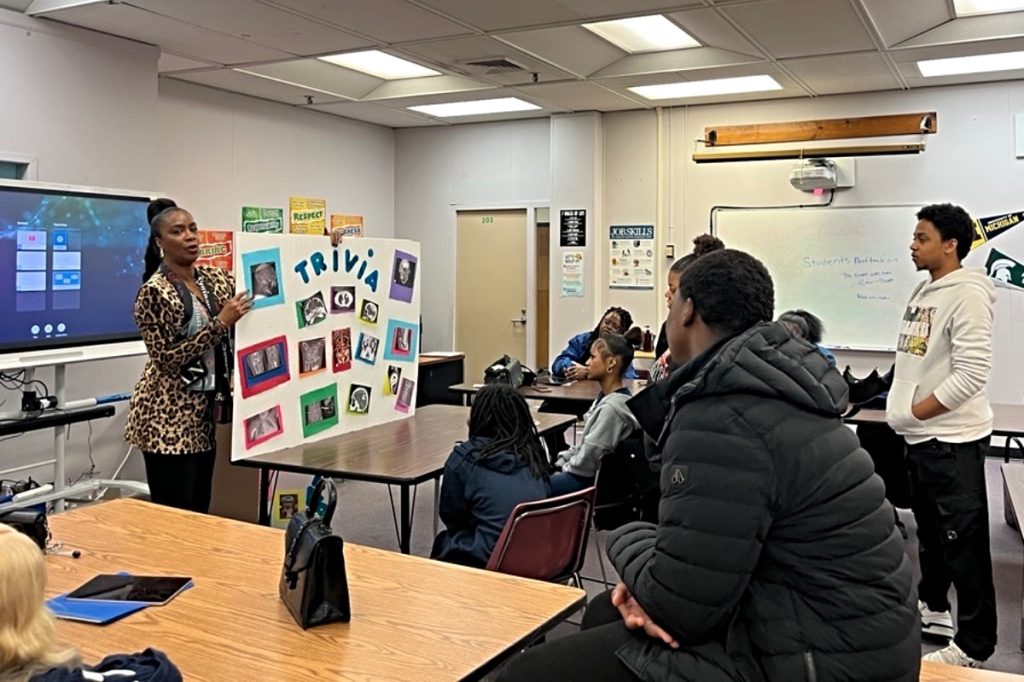
Metro Detroit collaborative connects kids with health care pros
In addition to sharing successful collaborations through presentations, the Solutions Summit provided abundant opportunity for informal sharing. For example, Gillian Ryan, Detroit Regional Chamber specialist, employer engagement, told the folks at her table about a collaboration growing the health care workforce in her region.
For the past year, the Chamber’s Regional Health Care Talent Collaborative has been exposing youth to health care careers. Led by Henry Ford Health, Trinity Health, and Corewell Health, the Collaborative brings health care professionals into the classrooms of five school districts in Wayne, Oakland, and Macomb counties: L’Anse Creuse Public Schools, Southfield Public Schools, Detroit Public Schools Community District, University Prep Science & Math High School in Detroit, and School District of the City of Pontiac.
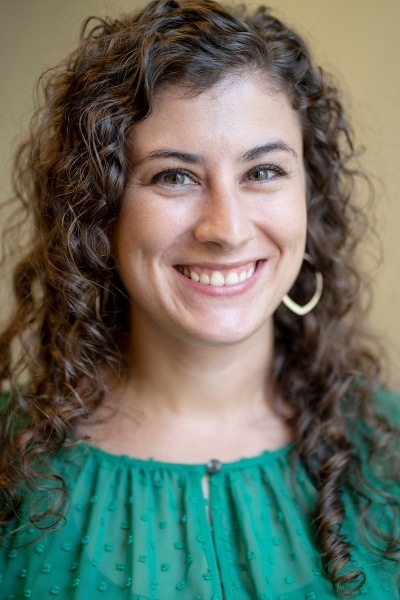
“The Chamber serves the businesses in the region. One of the biggest challenges that businesses face is talent — and there’s no industry that is seeing more of that challenge than health care,” says Christi Taylor, Detroit Regional Chamber senior director of talent initiatives. “We look at this from two perspectives, existing health care workers who need more skills so they can grow in their careers and … young people who just don’t know about the range of options available to them in health care.”
In 2021, the Chamber and the three health systems began building the Collaborative from scratch. They considered how they could meaningfully expose students to health care careers and what the health systems, as employers, could commit to. The classroom visits debuted in 2025.
“This was really built by employers, which I think is exciting and important,” Taylor says. “In a nutshell, the idea is that we work with K-12 districts to be the facilitator for these very high-touch classroom visits that bring different health care workers to the classroom for hands-on, interactive experiences.”
Taylor believes that exposing students to careers, making education feel tangible and relevant, pointing them to an end-goal occupation that excites them, and connecting them to professionals in the field is an effective way to address the health care workforce shortage.
“A lot of these careers are available to students with an associates degree,” she says.
The initiative seeks to not only make education feel relevant and help students understand what they’re working toward but also inspires them to make the investment needed to make their health care career goal a reality.
“We’re already experiencing very drastic shortages in health care, and we know that this is not going to resolve itself,” Taylor says. “Post-secondary enrollment is declining year after year. We have fewer students entering into the K 12 system, and fewer of those students are choosing to enroll into college when they graduate. So, the shortages we’re seeing now are only going to get worse unless we have a pretty significant intervention.”
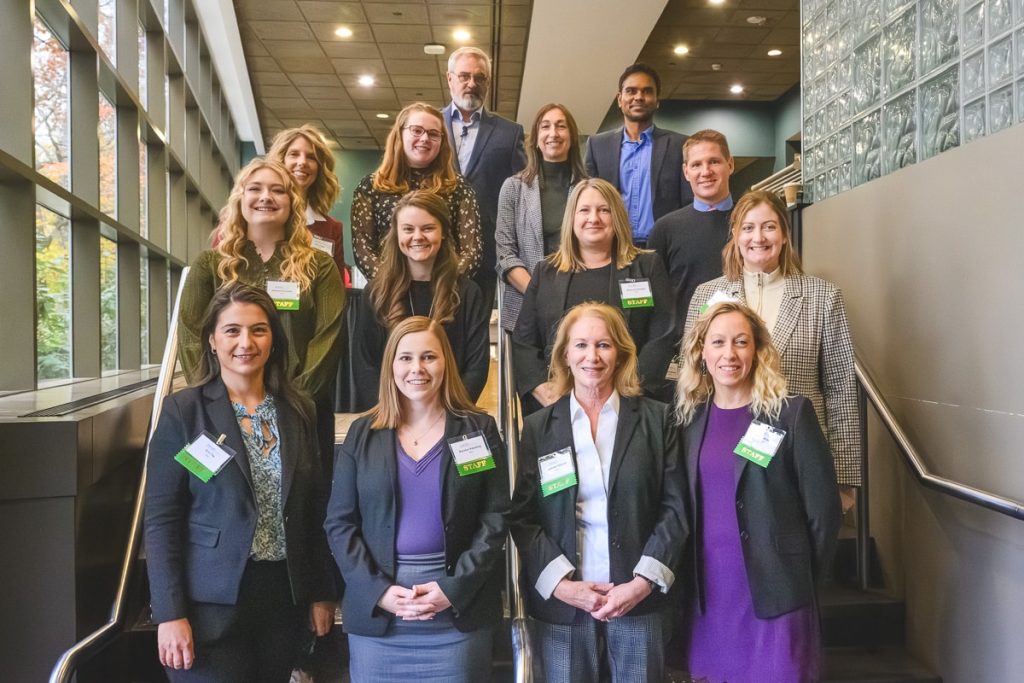
Collaborations like these are making a difference in Michigan’s rural regions and urban centers. The MHC Insight online database showcases additional health care workforce initiatives that can serve as models for other communities across the state and the nation.
Solutions Summit photos by Doug Coombe.
Classroom photos courtesy Detroit Regional Chamber.
Other photos courtesy subjects.
This story is made possible with funding from the Michigan Health Council, a solutions-oriented nonprofit organization working to ensure the future of the health care workforce by connecting health care leaders, professionals, employers, educators, and students to various products and services spanning the education-to-practice continuum.
Related Articles
How Detroit Public Schools bridges the care gap with innovative Health Hubs
Detroit’s Health Hubs embed medical, behavioral, and dental care inside schools, ensuring students receive essential services and thrive in class.
How Medicaid supports early education and child development
Health care access is inseparable from academic success.

Early childhood millage dollars prepare the littlest Michiganders for school success
In Kent County, millage funding supports 30 programs delivered by 16 local organizations.