Talking energy and environment with the State’s Valerie Brader
Affordable energy, reliable energy, and protecting our environment were part of the governor's recent 'Ensuring our future' message. Veronica Gracia-Wing digs into the details with the governor's deputy legal council and senior policy advisor.
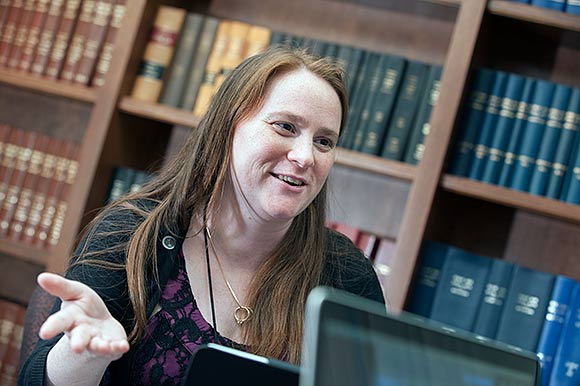
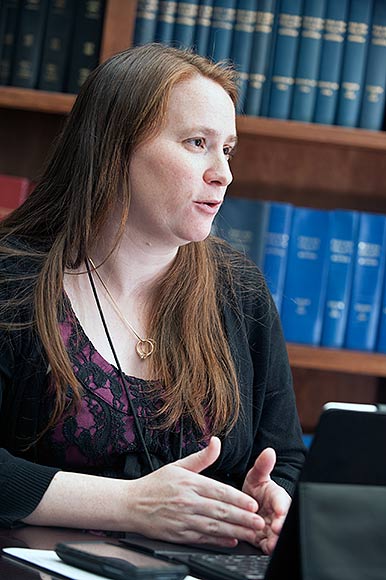
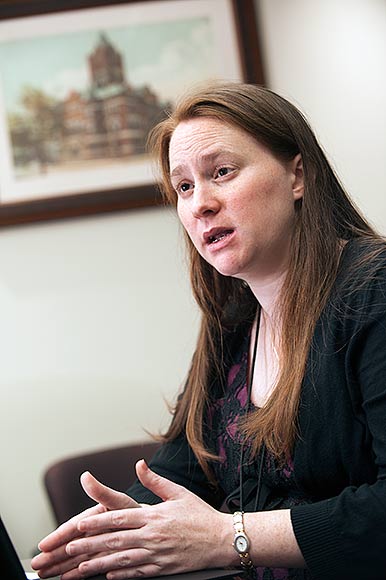
Gov. Snyder’s message, Ensuring our future: Energy and the environment, was announced in late November to a live audience at the W.K. Kellogg Biological Station at Michigan State University and live-streamed to several energy-minded groups across the state. Snyder presented three pillars that will act as guides to the state’s energy and environment strategies: affordable energy, reliable energy, and protecting our environment.
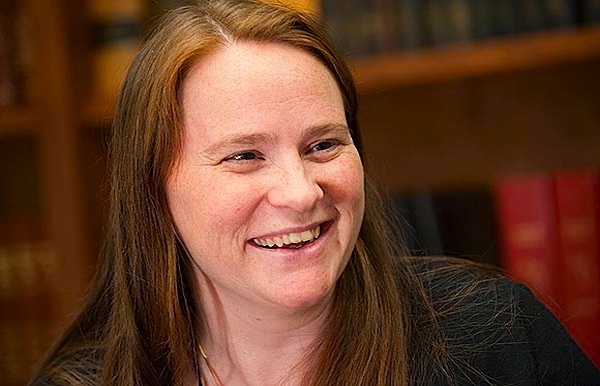
The message, which is available online here, got us to thinking about the state of energy in Michigan, and how it impacts the diverse array of stakeholders across our state. For that, we turned to Valerie Brader, the governor’s deputy legal council and senior policy advisor, for her thoughts and insight on this message.
For the basic citizen, the message is so much about energy efficiency. So many Michigan citizens have really taken advantage of these opportunities, and they’re seeing the benefit in their own homes, on their energy bills, and how they can be more comfortable for less.
This follows right up to industry — so many of our utility companies have been very successful in their energy efficiency programs, exceeding their goals in almost all cases. Expect encouragement for those efforts and help in understanding the important role energy efficiency plays in both Michigan’s environment and economy. It’s just a great win, and this helps us all broadly as a society because we don’t need as many power plants or to burn as many fuels.
On the environmental side, I think the take away is Michigan’s environment and quality of life are really linked to the economy. We get a lot of our basic needs met by the environment, and of course we also love recreation and our Great Lakes. The State is going to be very aggressive in continuing to protect these valued resources and in making sure we have a long-term strategy that ensures they continue to enhance our economy, our quality of life, and our ecological systems.
It isn’t a process where one advocates for what they think the answer is; it’s really a chance for the State to gather the information, to ask people what they need to know to make smart decisions about renewables and efficiency and electricity markets as a whole. Given that, we’ll research how much of that information exists, evaluate what we need to learn, and by the end of 2013, have factual reports giving all that data people need to make those good decisions. By 2014 and 2015 people can make decisions based on really good information on all those topics.
(Editor’s Note: A timeline of events can be found in Appendix A of the message here.)
We’re working to create a severance tax along side a Rural Development Fund in the UP. We’re really trying to ensure the taxes that UP mines are paying end up as money toward a long term economic success rate for those communities and the kind of infrastructure they need to have to have a good economy.
Lastly, a wonderful program administered by the MEDC has just been announced. If a business is shopping for a place to put their next large energy using business, every utility in the state that is regulated, will give you, within five days, a ballpark quote of what it would cost to put your infrastructure in various places. In the past they haven’t been able to get a quick answer or been able to compare sites, now they’ll able to get that information within five days, before ever buying a site. This is particularly great if they are looking at a brownfield site or a greenfield site and wondering what the associated costs will be.
However, I do think, and you see in the Governor’s message, that we’re encouraging new legislation that would help people get the kind of basic energy information they need when buying a home. Something that gives them a sense of the energy efficiency level when they’re looking at housing options.
For our more vulnerable households, we’re trying to get the federal government to help us to be able to incentivize landlords to make the kind of changes that can really make a home a lot more livable and affordable for our low income families. Right now the way the program is structured, we’re not allowed to say to a questionable landlord “get your act together.” We’d really like to be able to do that because we think that helps both the vulnerable families and Michigan’s efficiency overall.
One of the places we’ve really seen regionalism work is in recycling. We have a comparatively small proportion of counties that have facilities where we consider it easy to recycle. One of the early things we’ve learned is that some of the regional efforts have been successful in making recycling programs possible and easy for residents. We’re eager to learn more about that cooperation, and the Michigan Municipal League and others have been helping us discover some of the success stories as well as some of the challenges. We’ll be educating ourselves on how to make it happen, but regionalism might be a big piece of the answer.
Veronica Gracia-Wing is the innovation editor for Model D’s sister publication in Lansing, Capital Gains.
Related Articles
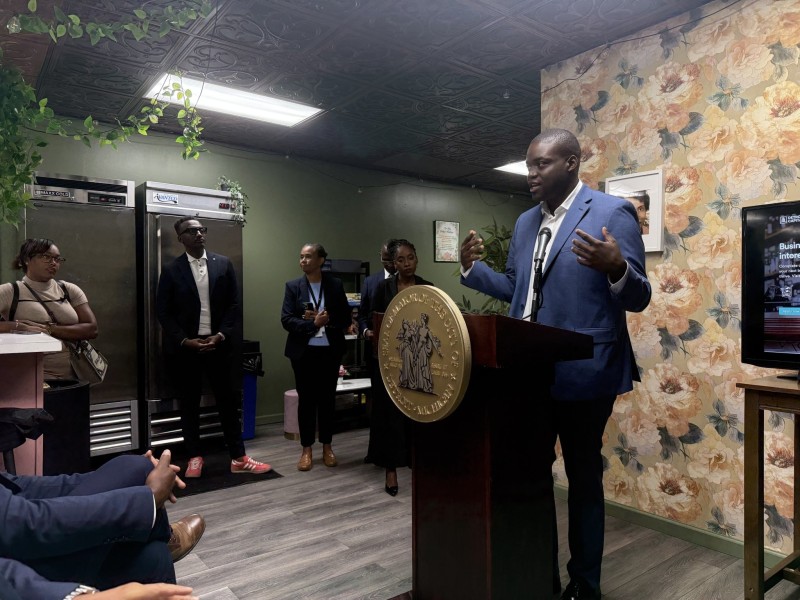
Detroit Capital Hub connects entrepreneurs, small businesses with Detroit CFDI lenders
A new private-partnership between the Detroit Economic Growth Corporation (DEGC) and the City of Detroit — Detroit Capital Hub — serves as a matching program introducing small businesses to the lender best able to serve them.

Detroit heard King’s dream first. These Black women are carrying it forward.
Alpha Kappa Alpha’s Lambda Pi Omega chapter folds Martin Luther King Jr.’s civil rights history into a day of service that stretches far beyond the federal holiday.

In the news: Citizen meetings, auto show updates, grief for the deported and a poverty solutions department
News of Detroit from Bridge Detroit, Raw Detroit, El Central, and Michigan Chronicle