
How Housing First stabilizes mental health
Without stable housing, meaningful mental health treatment is nearly impossible.
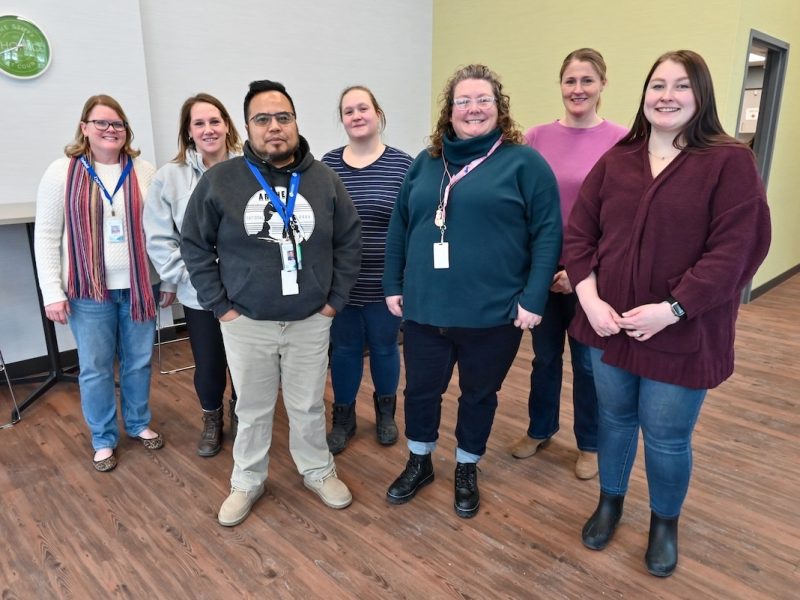
Without stable housing, meaningful mental health treatment is nearly impossible.
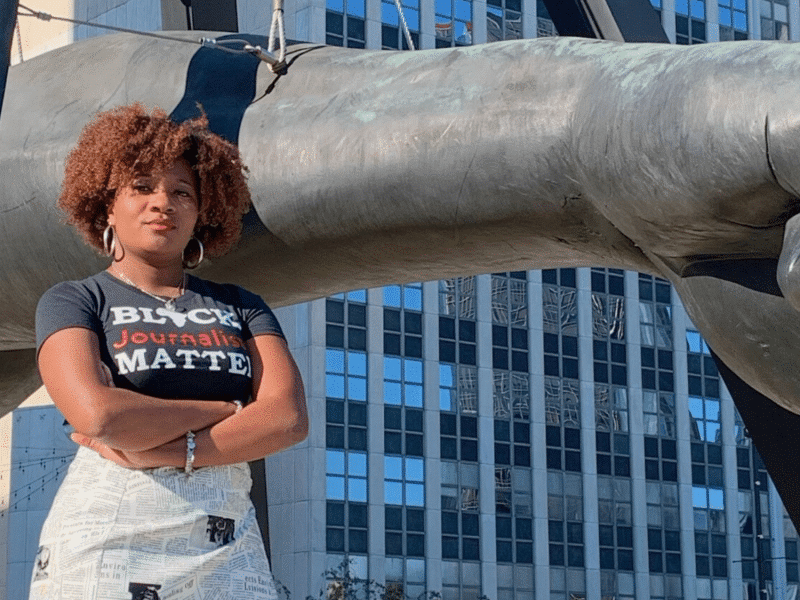
In a city where Black culture and innovation shape every layer of life, representation in media leadership is not only symbolic: it is essential. I am honored to steward this publication forward with that responsibility in mind.
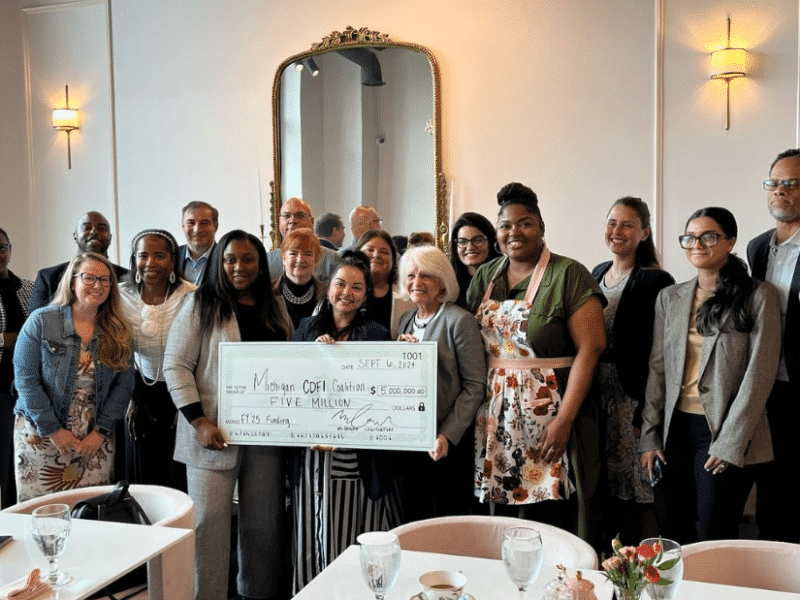
Detroit CDFI Coalition members continue to collaborate together, and advocate collectively for consistent Michigan CDFI funding to further propel their impactful mission-driven work in communities.
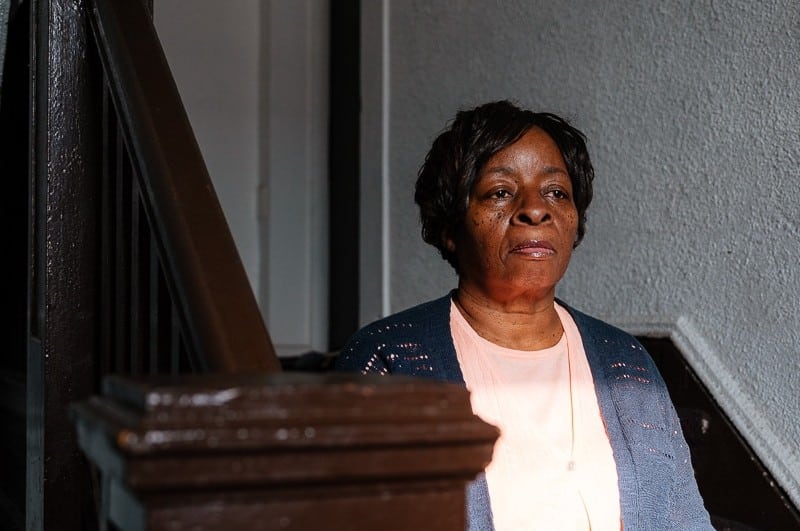
Before Detroit’s Right to Counsel ordinance, roughly 83 percent of landlords arrived in eviction court with attorneys, while only about 4 percent of tenants did.

By December 2025, Black women were spending an average of 29.7 weeks, or more than seven months, unemployed — the highest rate among every group of women and among all men except for Black men, who had a slightly higher average.
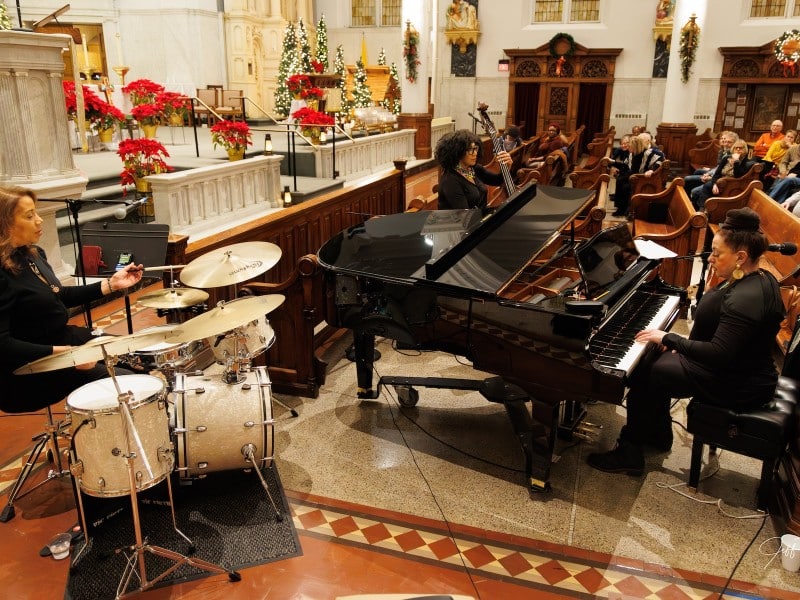
Around 8,500 Detroiters are going through a stage of homelessness each year. A concert series from the Detroit's Composer Laureate is offering help and hope.
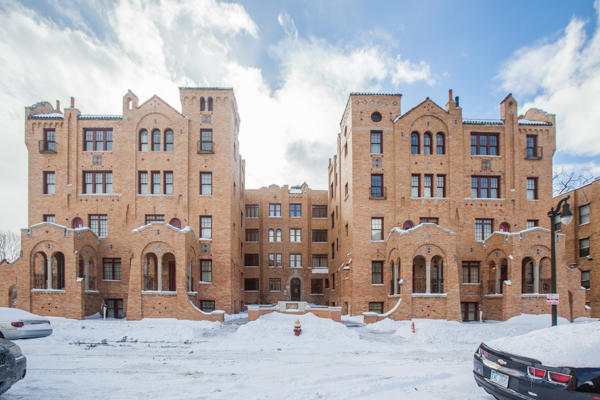
Palmer Park’s 57 apartment buildings represent one of Detroit’s clearest examples of intentional, high-quality multifamily planning.
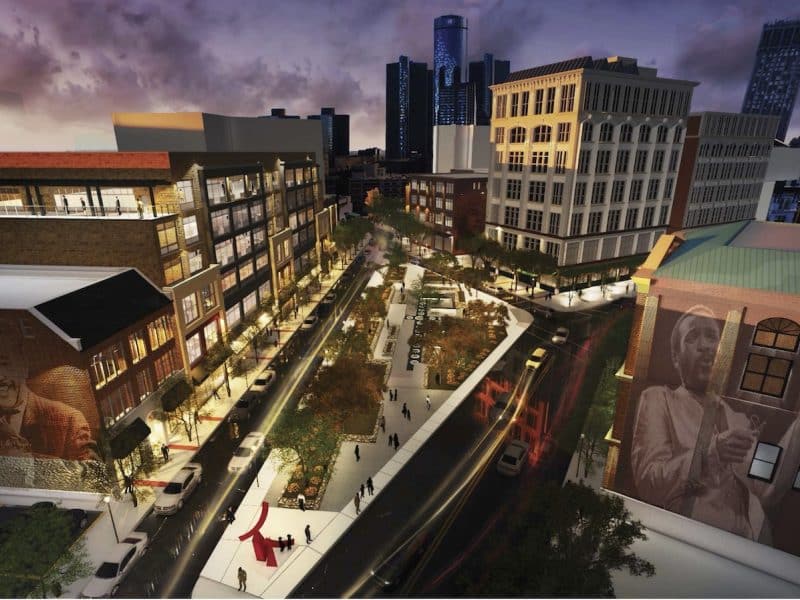
Beyond naming the expansion orsa Music Hall, the partnership will support programming, education, and community engagement.
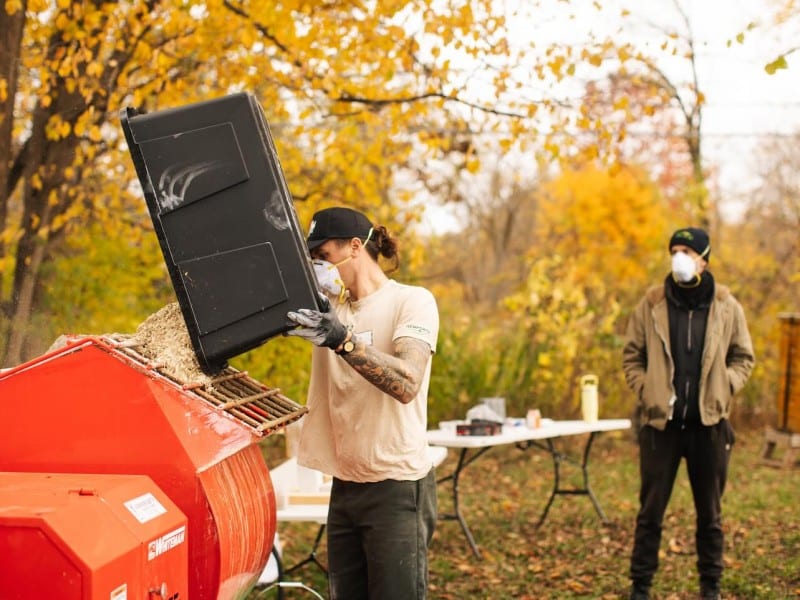
Cody Ley, a past CEDAM real estate development boot camp participant, is passionate about creating affordable, sustainable housing using hempcrete — a resilient, energy-efficient material. Through his nonprofit, Hemp 4 Humanity, he hopes to empower and connect communities to promote a circular economy.

Bitter weather is expected to continue into tomorrow. Here's weather in the news.
Our Partners


Common Ground Is Brewing
Support local stories and receive our signature roast straight to your door when you join at the Standard level (or above).
Drink Better, Read Local
