Construction of 14-acre urban equestrian center for Detroit youth could begin within the year
“Opening this new facility will mean horses play a far greater role in our students’ lives, at a space our students can count on and where they can take ownership. We are building an asset for the community and a launching pad for students to have successful futures,” says Detroit Horse Power Executive Director David Silver.
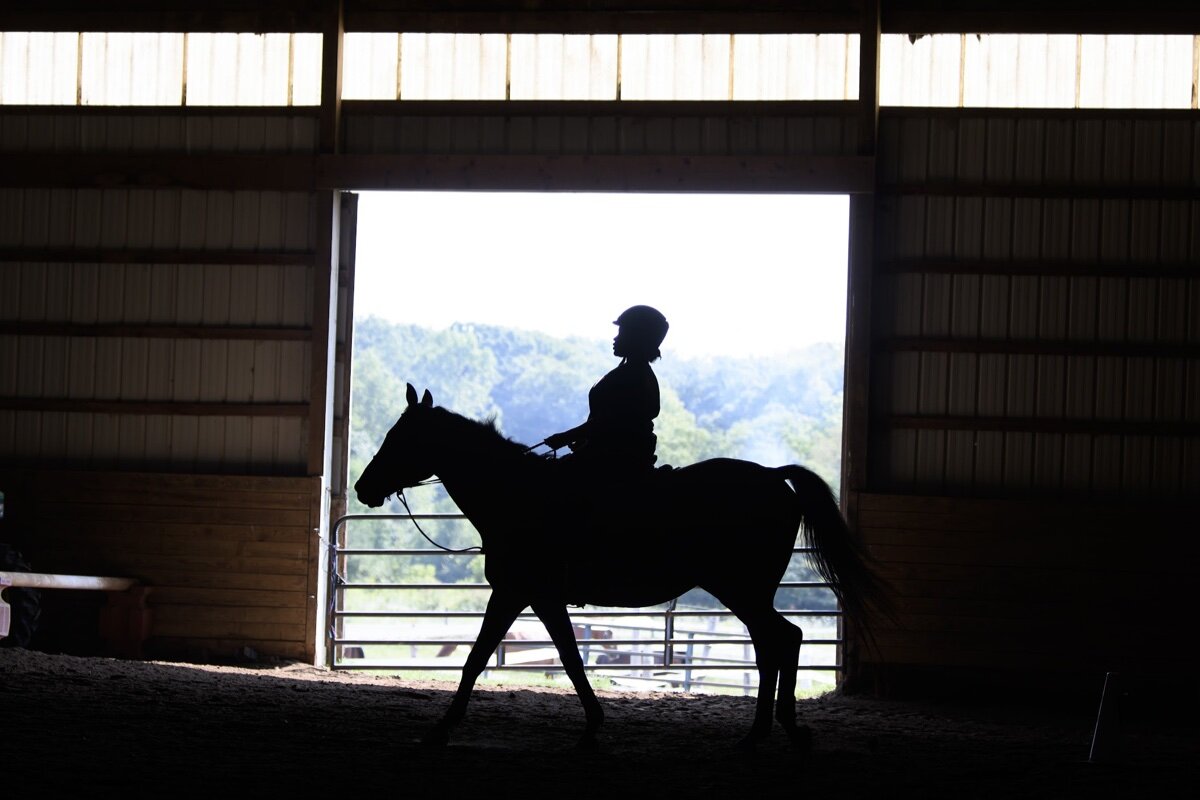
What’s happening: Recent news of a mix of financial gifts and support have project stakeholders hopeful that construction of the city’s first urban equestrian center could begin within the year. The Detroit Horse Power nonprofit plans to build an $8.1 million, 14-acre equestrian center with expanded programs for city youth in northwest Detroit.
Who they are: Detroit Horse Power has been using horses as a means of youth development since the nonprofit’s founding in 2015. The organization currently operates out of the Marygrove campus, utilizing classroom and administrative space there, but has to take Detroit youth to stables in Davisburg, East Lansing, and Plymouth in order to interact with actual horses.
What’s planned: The nonprofit plans to build a 20 horse-stable on 14 acres of land leased from the Detroit Public Schools Community District atop the former Paul Robeson Academy site near Fenkell Avenue and Linwood Street. The $8.1 million equestrian center will not only allow Detroit Horse Power to offer its hands-on programming within city limits but also increase capacity.
How they’re doing it: The Kresge Foundation recently announced a $500,000 grant for the project, which has also received commitments of a $400,000 gift from an anonymous donor and $1.8 million from the state of Michigan and anticipated New Market Tax Credits. Detroit Horse Power Executive Director David Silver says that the financial commitments give him confidence that construction can begin within a year’s time.
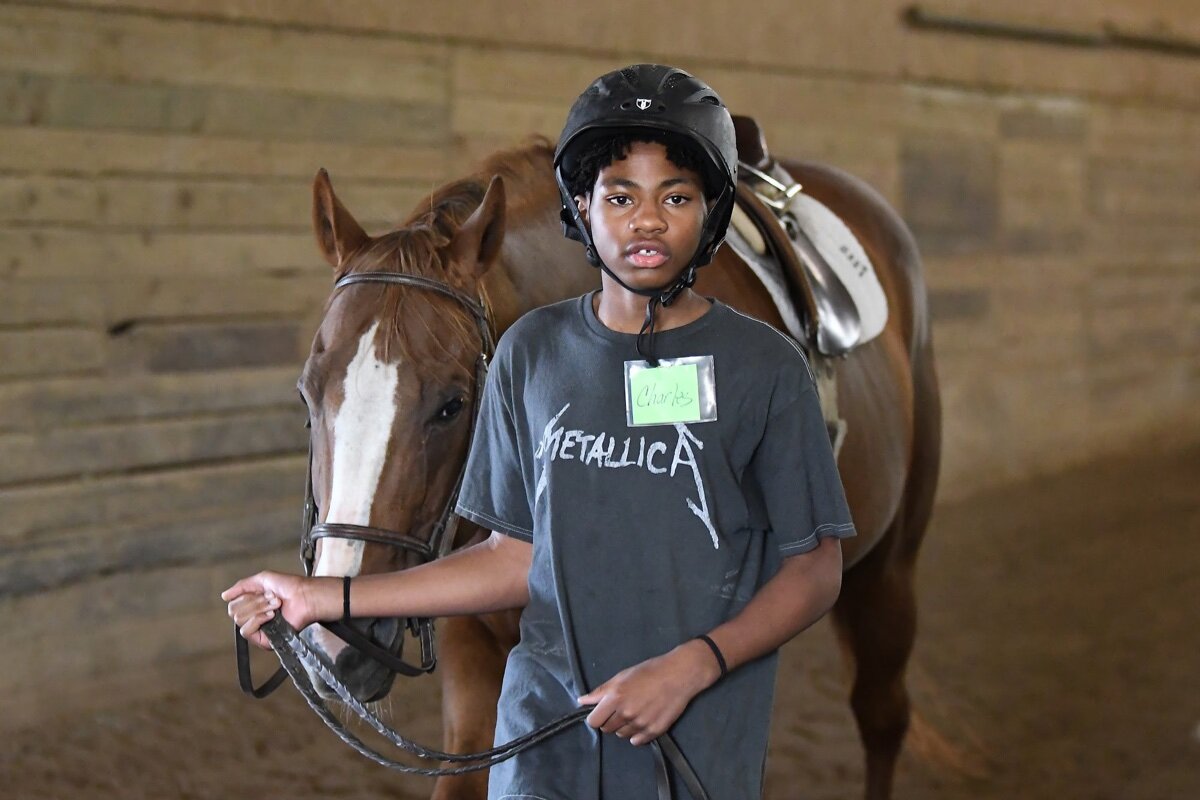
What it does: The nonprofit currently serves approximately 100 young people, from 11 to 18 years old, through their academic year and summer programs. That number stands to grow, with 100 young people able to be enrolled in a highly focused program, 500 young people enrolled in summer programs, and 1,000 young people being able to access horse time throughout the year.
Why it’s important: “There is a growing body of research showing that for young people, animal-assisted activities like working with horses have physical and mental benefits, including growth of social-emotional skills. And we know that students with greater social-emotional competencies are more likely to graduate from high school, graduate from college and persist in their chosen career paths,” Silver says in a statement. “Eventually, we will be able to ensure that every Detroit Public School student has some exposure to horses over the course of their education.”
Got a development news story to share? Email MJ Galbraith here or send him a tweet @mikegalbraith.
Related Articles
Tracking history through stories
Long-time residents of Woodbridge tell stories of their diverse Detroit neighborhood through an oral history project meant to capture the essence of life in the area in decades past.
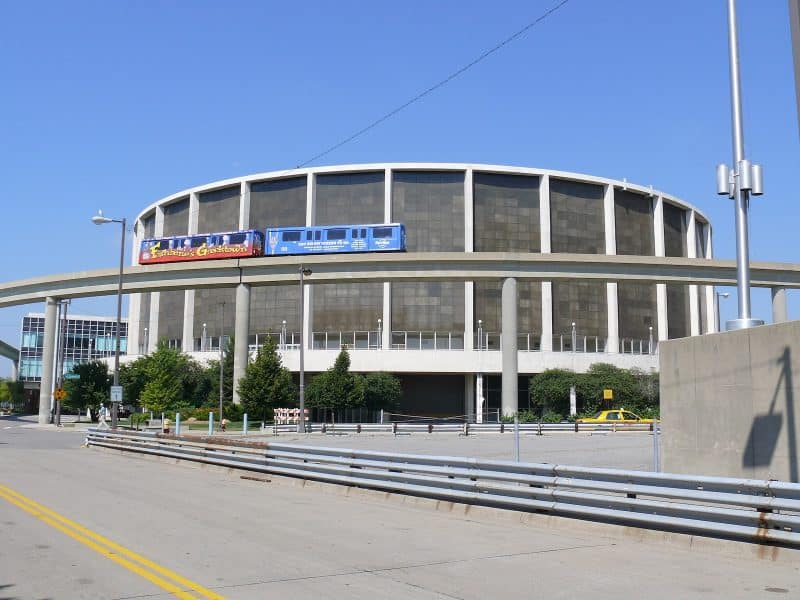
HISTORY LESSON: Public financing for pro sports venues then and now
Detroit’s first step into public sports infrastructure construction came in 1960 with the opening of Cobo Arena, the stadium component of the larger riverfront redevelopment that led to the convention hall and Hart Plaza.
Organizations distributed $63 million for Detroit home repairs in 2024, new study says
Thirty community organizations distributed funds for home repairs across the city last year, helping Detroit homeowners maintain safe, healthy homes. Results of a new study will help organizations articulate their impact to funders, potentially leading to greater support for home repair programs.