How Medicaid supports early education and child development
Health care access is inseparable from academic success.

In the U.S., nearly one in two children under 18 are enrolled in Medicaid. As of June 2025, children represented 47.6% of total Medicaid enrollment. Michigan reflects these numbers and has more than one million children enrolled in Medicaid. Medicaid’s reach makes it a cornerstone of the early education and child development ecosystem, supporting access to health care, developmental screenings, and workforce stability across early childhood settings.
Medicaid doesn’t just provide health coverage, it underpins the state’s efforts to ensure every child enters school healthy and ready to learn. The program covers nearly half of all births in Michigan, ensuring that children from the very start have access to prenatal and pediatric care. In 2025, the program served over 2.6 million Michigan residents, bringing billions of federal dollars into the state’s health care and education systems each year.
For families with children in early education programs such as the Great Start Readiness Program (GSRP), PreK for All, and Head Start, Medicaid can mean the difference between consistent preventive care and untreated health concerns that later hinder learning.
As policymakers and educators look to improve kindergarten readiness, many say Medicaid’s role in early childhood development deserves greater attention. Health care access is inseparable from academic success — a connection reinforced by Michigan’s ongoing efforts to align education and health systems to serve the whole child.

A cornerstone of early learning
“Medicaid is a cornerstone of Michigan’s early learning system, supporting children, families, and the educators who care for them,” says Erin Stover, public information officer, Michigan Department of Health and Human Services (MDHHS). “For young learners, it opens the door to screenings and services that identify and address developmental needs at the stage when early intervention is most effective. These investments not only improve health outcomes but also help children enter school prepared to succeed.”
Stover adds that the program also provides stability for families and early childhood professionals alike.
“It gives families the reassurance that essential, affordable care is within reach and provides many early childhood professionals with the coverage they need to remain healthy, stable, and engaged in the workforce,” she says. “In doing so, Medicaid strengthens both child development and the early education system that nurtures it.”
State data shows that children enrolled in Medicaid are more likely to receive developmental screenings and less likely to experience untreated chronic conditions that interfere with learning, outcomes directly linked to early identification and intervention.
Health and learning go hand in hand
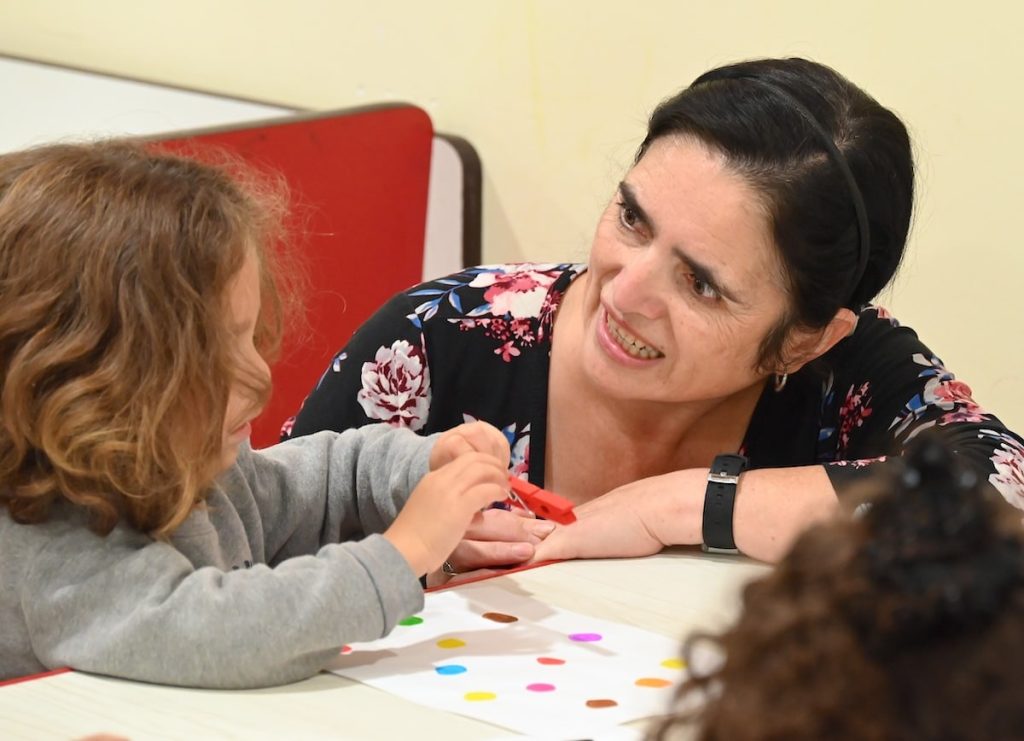
For organizations like Brilliant Detroit, which operates neighborhood-based learning hubs for children and families, Medicaid coverage is essential to ensuring school readiness and family stability.
“You can’t separate health from learning — they go hand in hand,” says Cindy Eggleton, co-founder and CEO of Brilliant Detroit. “Many of our families rely on Medicaid for everything from prenatal care to well-child visits, immunizations, and developmental screenings. When children are healthy, they’re ready to learn, and parents can focus on supporting their child’s growth instead of worrying about whether they can afford a doctor visit.”

Eggleton says that consistent access to health care can close opportunity gaps before children even enter school.
“When children are covered, they’re not missing days due to preventable illnesses or unaddressed health issues,” she says. “That consistency helps teachers focus on learning rather than on managing crises.”
Eggleton notes that Medicaid-funded screenings often lead to early identification of developmental challenges.
“We’ve worked with children who were struggling to communicate. Through Medicaid-covered speech therapy, they’ve made remarkable progress in just a few months,” she says. “These interventions change the trajectory of a child’s learning and confidence.”
She adds that Medicaid also supports early educators who lack employer-sponsored insurance.
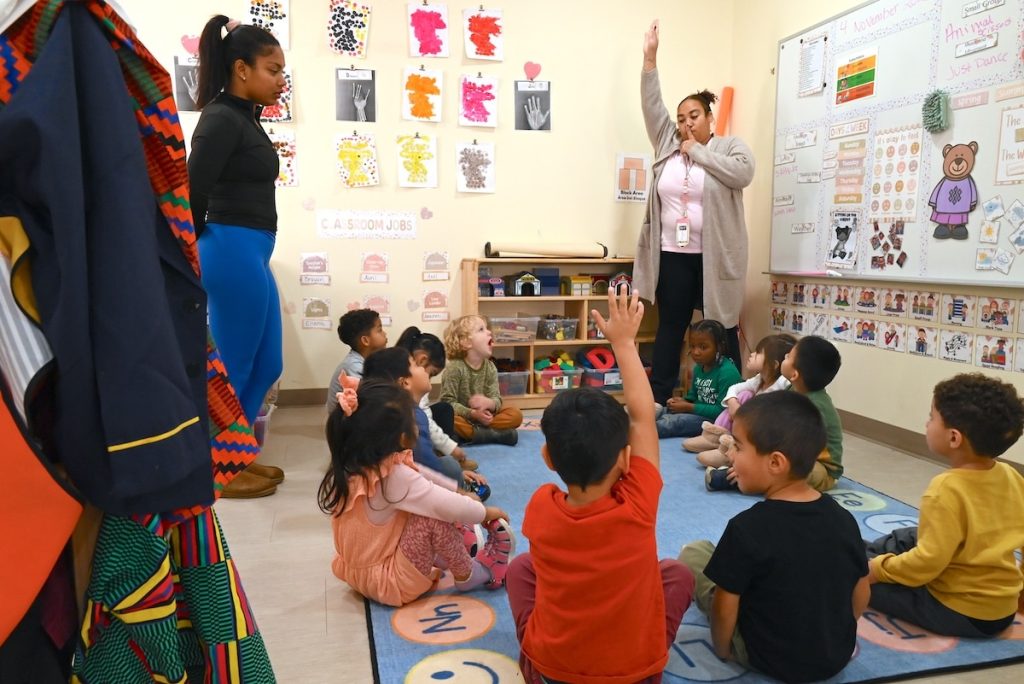
“Early childhood educators are the backbone of our system, yet they’re often among the lowest-paid professionals,” she says. “When educators are healthy and stable, they can bring their best selves to the classroom every day. It reduces turnover, improves consistency for children, and builds a stronger, more resilient workforce.”
Supporting the economy, the workforce, and families
Across the state, Medicaid contributes to the stability of Michigan’s broader economy. A University of Michigan analysis found that the state’s Medicaid expansion, also known as Healthy Michigan Plan, creates at least 30,000 jobs each year and adds more than $2 billion annually to personal income. Those dollars ripple through hospitals, community health centers, and early education programs, helping sustain services that working families depend on.
Additionally, Medicaid remains one of the largest federal investments in Michigan’s economy. The program brings in roughly $15 billion in federal matching funds each year, which support hospitals, local health departments, and child care agencies that depend on Medicaid reimbursements to sustain staff and services.

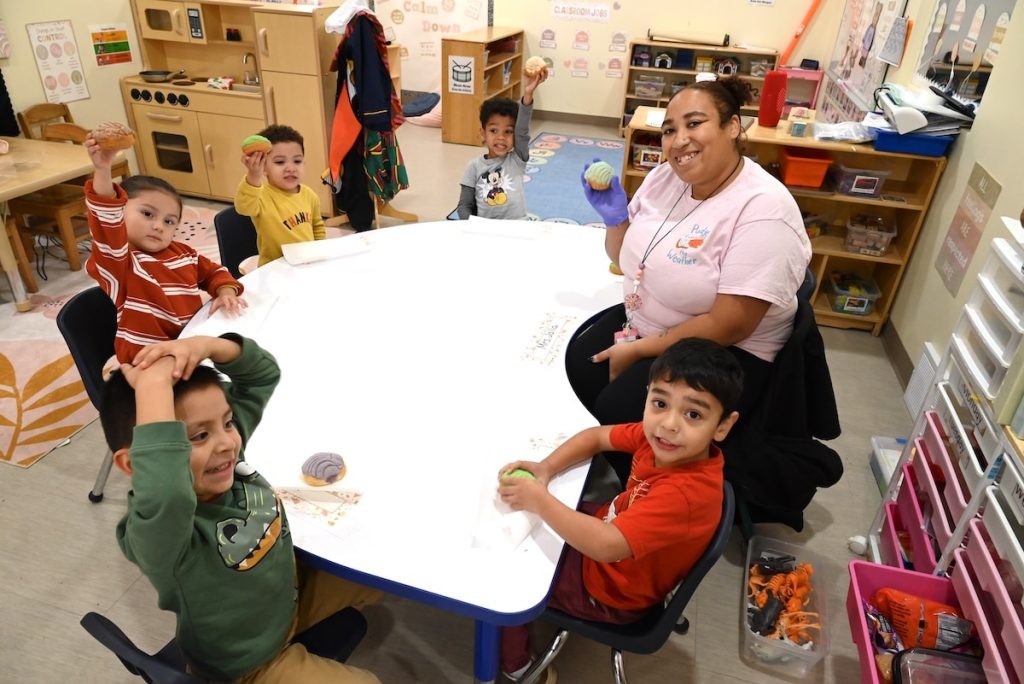
At Child Care Network, which serves early educators and families across Michigan, Annette Sobocinski, executive director, says Medicaid coverage is essential for maintaining a stable early education workforce.
“Medicaid is the only way that some early educators can access health care,” Sobocinski says. “Not having access would drastically impact the workforce. More people would leave or not enter the field at all if they weren’t able to get coverage, and the reason they qualify is because wages are so low.”
She also emphasizes Medicaid’s importance for families balancing the high costs of child care and health care.
“When families have access to health care through Medicaid, kids can get early screenings that identify developmental delays, hearing, or vision issues that might affect their ability to learn,” she says. “Without that coverage, families face higher health costs that can push them deeper into poverty and make child care even less affordable.”
Child Care Network works with MDHHS through the MI Bridges program to connect families to Medicaid, food assistance, and child care subsidies.
“All of our staff are trained as MI Bridges navigators, and we provide technology and support to help families apply for the services they need,” Sobocinski says. “We’re seeing increased demand for child care support, food assistance, and connections to health insurance across the communities we serve.”
Investing in Michigan’s future
Both Sobocinski and Eggleton underscore Medicaid’s long-term importance in strengthening Michigan’s early childhood infrastructure.
“It’s a critical part of the system that supports providers, children, and parents,” Sobocinski says. “It needs to be maintained and well-funded so that people can access coverage, early screenings, and care that ultimately strengthen outcomes for children and families.”
Eggleton agrees. “We need to keep viewing Medicaid not just as a health care program, but as a vital part of our early childhood infrastructure,” she says. “Investing in children’s health is investing in Michigan’s future.”
Photos by John Grap.
Early Education Matters shares how Michigan parents, child care providers, and early childhood educators are working together to create more early education opportunities for all little Michiganders. It is made possible with funding from the W.K. Kellogg Foundation.
Author

Related Articles

Partner Partner Content “When I grow up.” Inspiring kids to dream big about careers in health care
These collaborations show how growing interest in health care careers can begin early.
How Detroit Public Schools bridges the care gap with innovative Health Hubs
Detroit’s Health Hubs embed medical, behavioral, and dental care inside schools, ensuring students receive essential services and thrive in class.
Early childhood millage dollars prepare the littlest Michiganders for school success
In Kent County, millage funding supports 30 programs delivered by 16 local organizations.