State of Michigan support will bring new affordable and supportive housing to Detroit
Long-planned developments are moving ahead at a time when demand for deeply affordable housing continues to outpace supply in Detroit.
Detroit will move forward with 183 new affordable and supportive housing units following four 9% Low Income Housing Tax Credit awards from the State of Michigan, according to the city. All of the projects will serve deeply affordable households earning 30% or less of the area median income, the city says.
The awards allow multiple long-planned developments to advance at a time when demand for deeply affordable housing continues to outpace supply in Detroit, city officials say. The projects are part of a broader strategy to stabilize residents, expand housing access and leverage public financing to support long-term affordability.
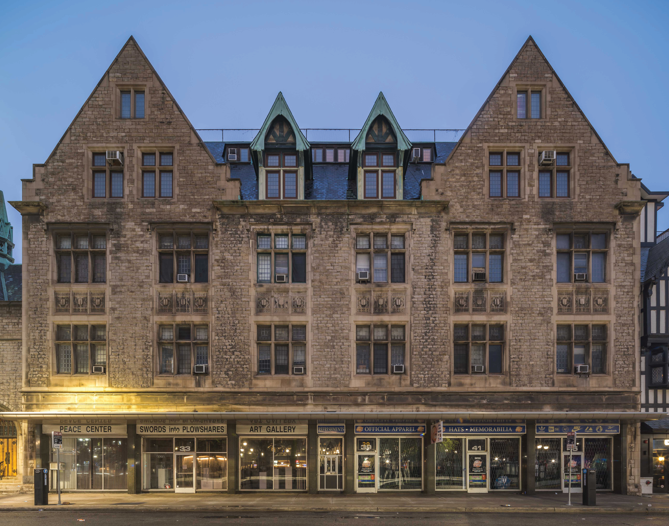
Among the developments moving ahead is the Woodward and Adams project, known as Noah at Central, which will create 39 units of permanent supportive housing inside Central United Methodist Church, according to the city. The project received tax credit awards from the state and is designed to provide long-term housing stability for residents with significant needs.
The Bagley Central development, also known as Clement Kern Gardens, will add 54 new mixed-income housing units in Corktown, according to city officials. The project is part of a broader effort to increase housing options in neighborhoods experiencing renewed investment, the city says. The first phases of Bagley Central are expected to open in 2027.
Additional housing is planned through the Gardenview Townhomes and Apartments project on the former Herman Gardens site. The development will include new apartments and townhomes located along the Southfield Freeway, according to the city.
The new projects build on a larger investment trend in Detroit’s affordable housing sector. Over the past six years, the city has invested approximately $1.7 billion in affordable housing, with more than $1 billion in additional investment planned through Detroit’s payment in lieu of taxes, or PILOT, program, according to the city.
“Taken together, these investments represent a meaningful step forward for affordable housing in Detroit,” says Tony Lentych, Michigan State Housing Development Authority’s Chief Housing Investment Officer. “These developments will create new housing options for families, seniors, and residents with the greatest needs, while strengthening neighborhoods and supporting long-term stability. MSHDA is proud to partner with the city and developers to help ensure more Detroiters have access to safe, affordable places to call home.”
Source: City of Detroit, AI-assisted reporting
Related Articles
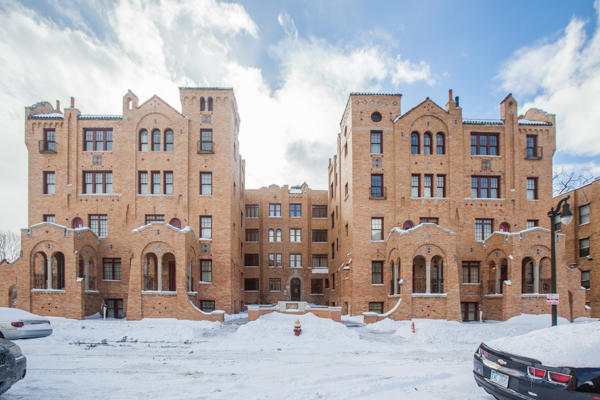
HISTORY LESSON: The significance of the Palmer Park Historic District
Palmer Park’s 57 apartment buildings represent one of Detroit’s clearest examples of intentional, high-quality multifamily planning.

Hemp 4 Humanity builds foundation for sustainable homes using all-natural, energy-efficient material
Cody Ley, a past CEDAM real estate development boot camp participant, is passionate about creating affordable, sustainable housing using hempcrete — a resilient, energy-efficient material. Through his nonprofit, Hemp 4 Humanity, he hopes to empower and connect communities to promote a circular economy.
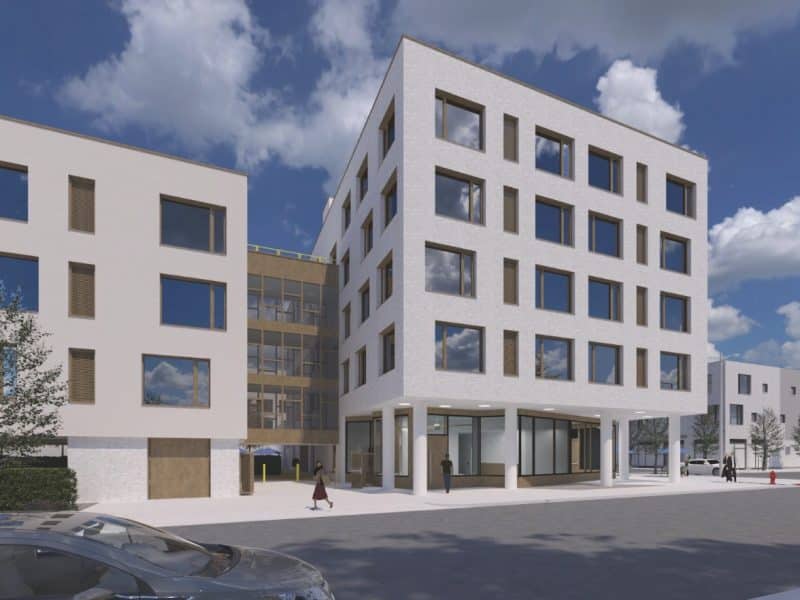
Groundbreaking at 900 Tuscola will bring 67 new affordable homes to Midtown
The five-story development at 900 Tuscola @ Midtown West will feature 1,000 square feet of retail, 63 parking spaces, and resident amenities.