State of Health

State of Health is a series about how Michigan communities are rising to address health challenges. Previous coverage examined health disparities and how they affect Michigan's children and seniors and integrated care and its potential to improve Michiganders' health. This series is made possible with funding from the Michigan Health Endowment Fund.

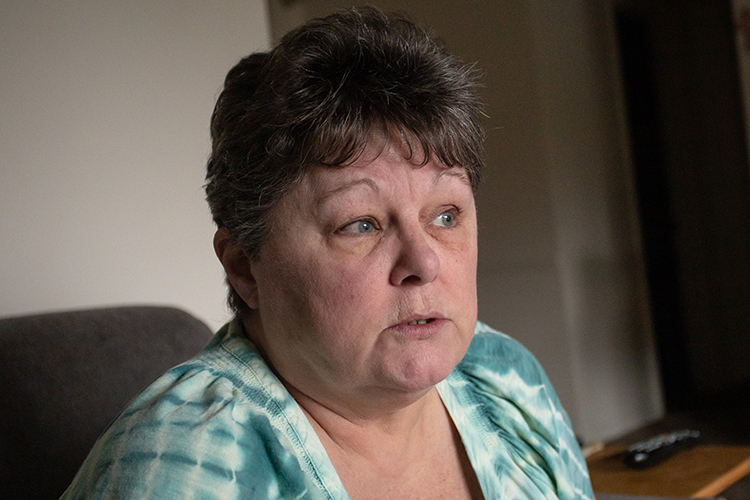
Here’s how we can address rural Michigan’s alarmingly high infant mortality and poor maternal health

Substance abuse, lack of access to healthy food, and dwindling birthing hospitals and OB-GYNs all contribute to poor health outcomes for mothers and infants. These organizations and individuals are working to change that.

Urban Michigan initiatives recognize racism as major factor in infant and maternal mortality

Statewide, black babies are three times more likely to die in their first year of life than white babies. But those statistics are even more alarming in many of Michigan's urban centers.

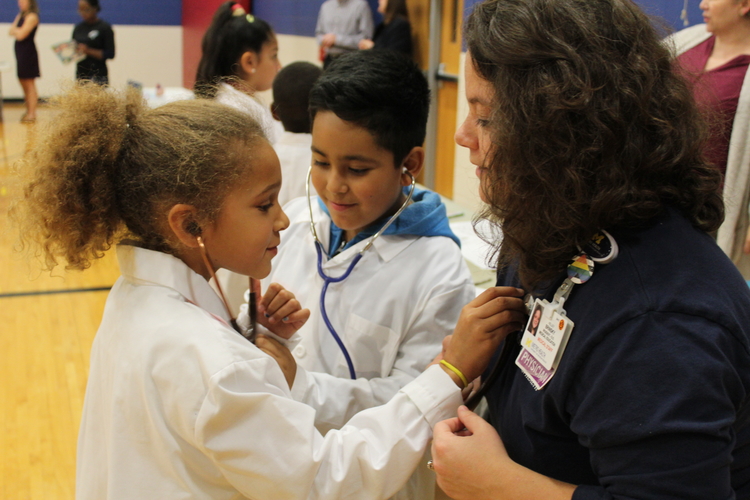
Michigan Health Council's Mini Medical School.
Health literacy initiatives help Michiganders and their doctors speak each other’s language

Although almost everyone has experienced not understanding their doctor, health literacy issues may be especially pronounced for refugees, youth, and disadvantaged communities.

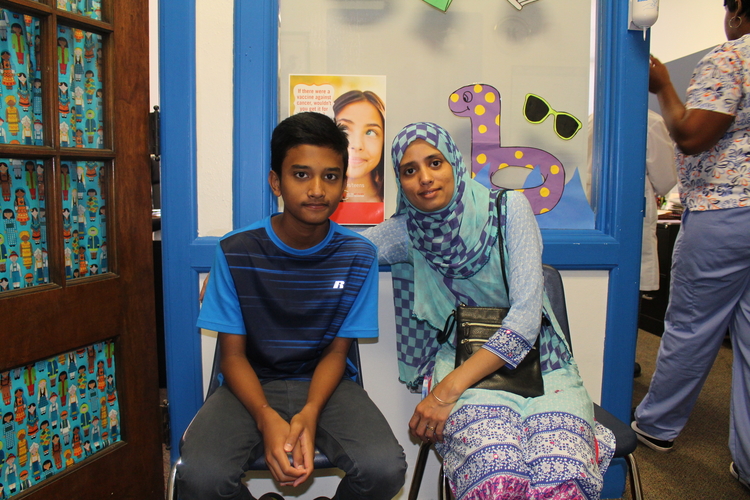
The Hamtramck School Based Health Center.
As Michigan immigrants struggle to get healthcare, nonprofits fill the gaps

Understanding the healthcare system can be difficult for many who grew up in the United States speaking English. But for immigrants, challenges to receiving and understanding good care are exponentially greater.

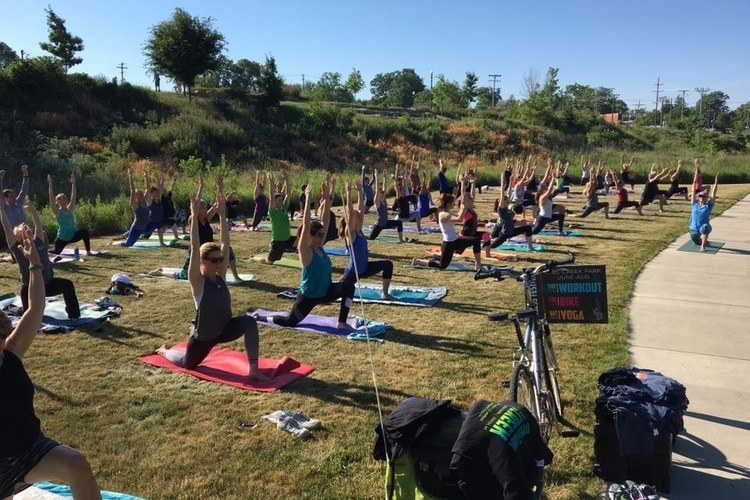
Yoga in the park in Dexter.
How Michigan’s place-based initiatives are addressing health equity at a regional level

These initiatives forge private-public collaborations to create systemic improvements in health and wellness across multiple counties.

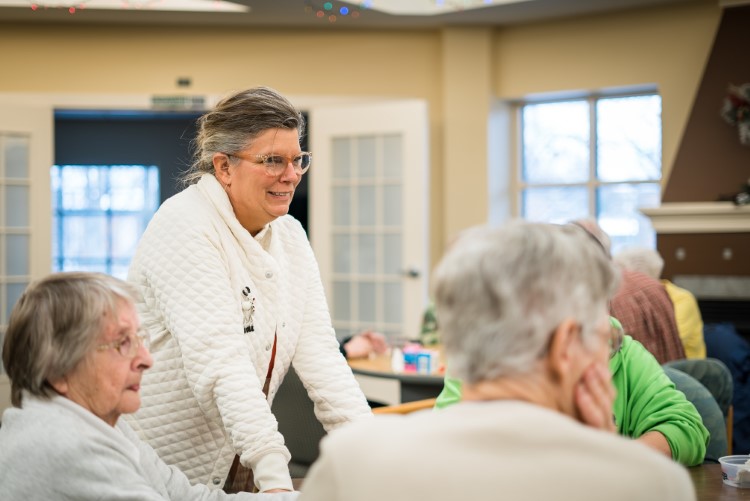
Dawn Powell, director of the Sanford Activity and Dining Center in Midland.
These initiatives are improving Michigan seniors’ health by making sure they’re not alone

Social isolation and loneliness can have serious negative impacts on older adults' health, but efforts around the state are working to connect seniors to their communities and the resources available to them.

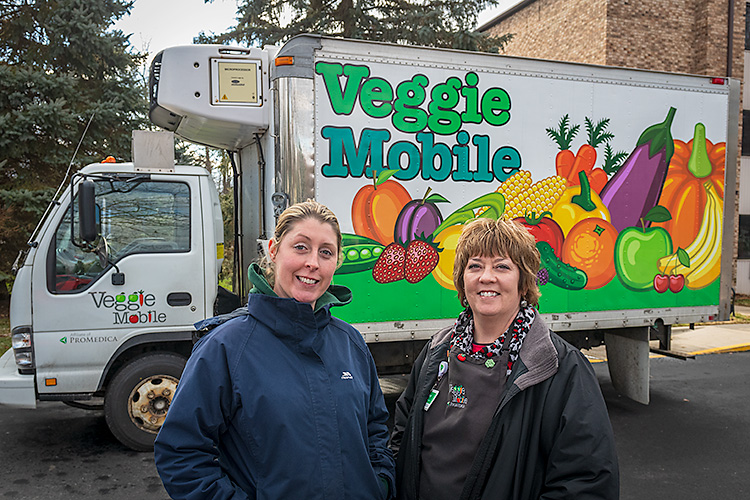
Sara Gould and Stacey Tilton with the Veggie Mobile.
Michigan programs get creative in addressing transportation barriers to good health

Lack of access to good transportation options continues to be a barrier to health equity for many Michigan residents. A patchwork of organizations around the state are working to resolve this challenging issue.

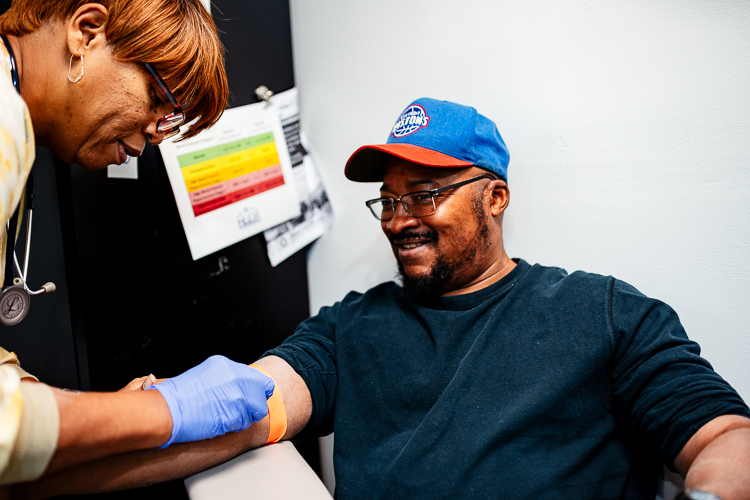
William Butler is prepared to get his blood drawn at HUDA by his nurse, Val Gamble. Butler has been coming to HUDA for his health care needs since he lost his health insurance four years ago.
How once-vacant sites are becoming hubs for health equity in Michigan

Marginalized Michigan residents are finding health services in easily accessible neighborhood locations, and formerly defunct buildings are becoming bright spots on their blocks.

A social and educational group for Spanish-speaking clients at Turner Senior Resource Center.
How Michigan’s age-friendly communities are making health more accessible to seniors

Seniors may face numerous barriers to health, including but also going far beyond basic access to medical care. These Michigan communities are taking innovative steps to improve older residents' quality of life.

Daniel J. Ebenhoeh sees patients at Holy Family Healthcare.
These innovative solutions are addressing the unique health challenges of living in rural Michigan

Many rural Michiganders face health disparities, but multiple organizations are creating new ways of structuring rural hospitals and clinics and reaching out to rural patients.

Our Partners

The Kresge Foundation logo
Ford Foundaiton

Don't miss out!

Everything Detroit, in your inbox every week.

Close the CTA

Already a subscriber? Enter your email to hide this popup in the future.