
Resilient Neighborhoods: Angie Gaabo speaks on efforts to preserve diverse housing in Woodbridge
Woodbridge Neighborhood Development has made preserving and promoting diverse housing a priority. Here's why.
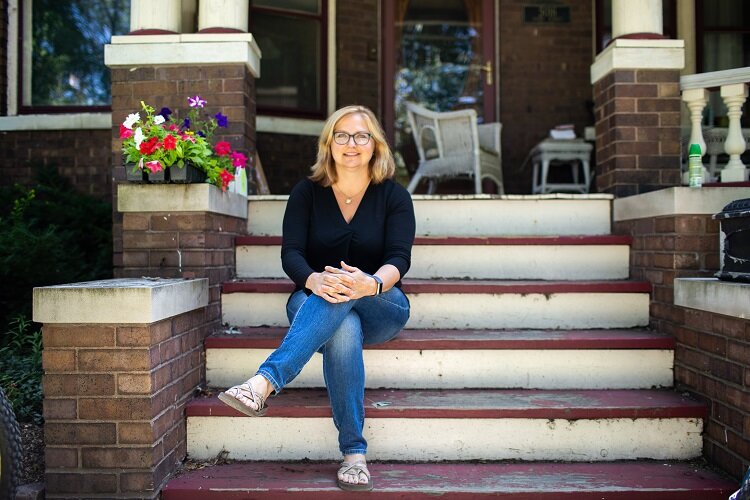
Woodbridge Neighborhood Development has made preserving and promoting diverse housing a priority. Here's why.
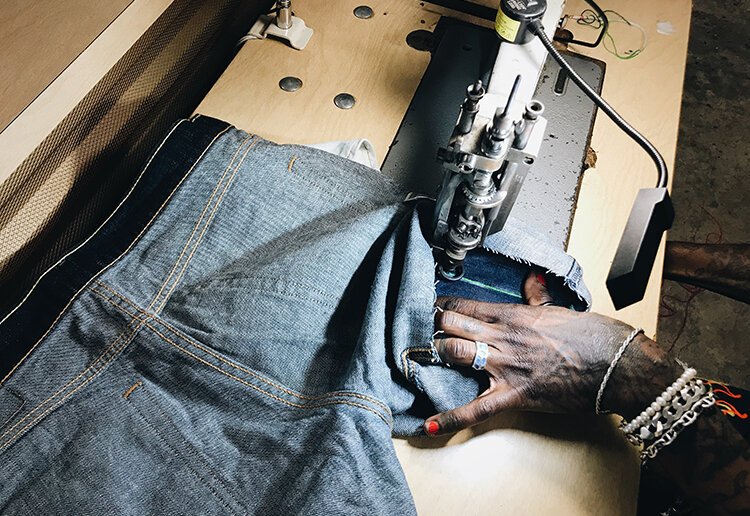
You're about to start seeing some art-centric jeans along Detroit's corridors. Featuring chain-stitched flames embroidered using a vintage Singer 114, “Torched” is the first run in the Littlefield bespoke denim brand’s planned artist series, showcasing Detroit’s creative community.
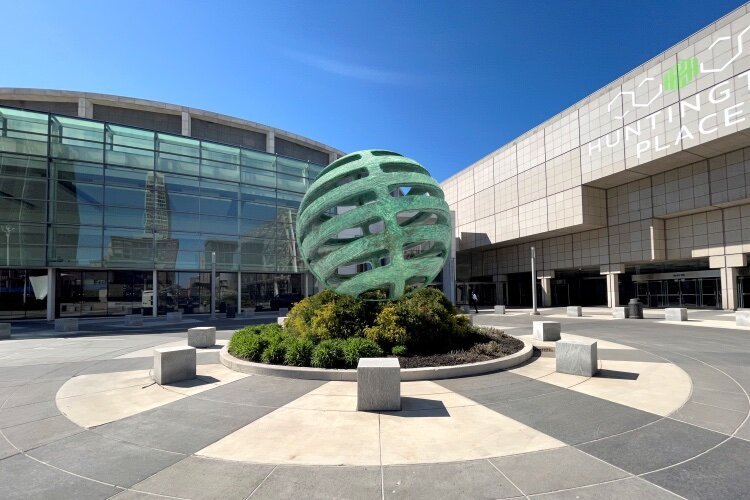
“To have a large-scale sculpture in Detroit's Civic Center, joining the likes of Noguchi, Graham, Fredericks, Barr and De Giusti — and to have it located in front of the place that I've gone to since I was just a kid at the Auto Show — it's a real honor,” says Detroit artist Scott Hocking.
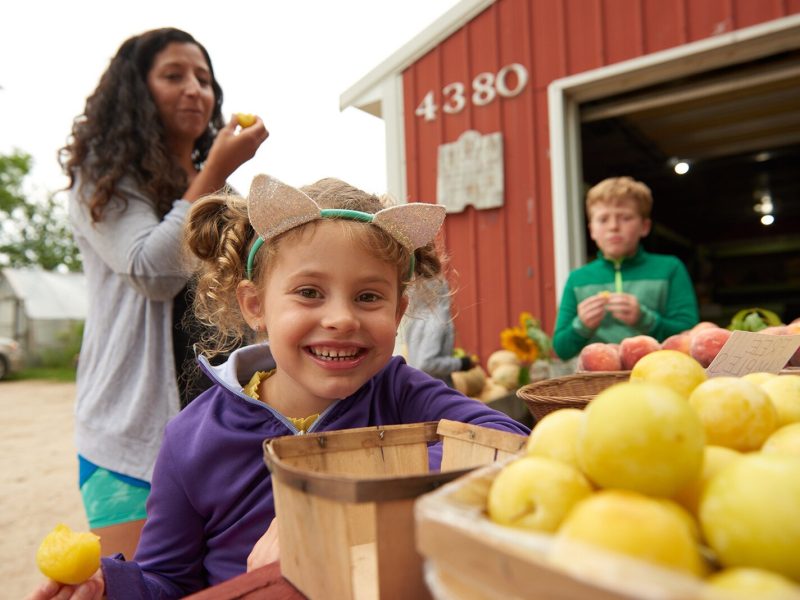
A food policy council can influence, improve, or remove barriers in the food system that cause disparities, inequities, poor nutrition, or economic hardships.
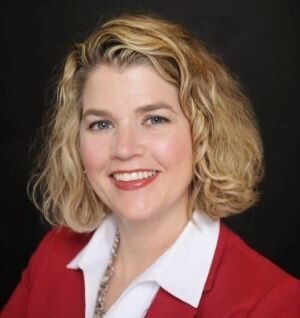
In her new role leading Michigan Nonprofit Association, Kelley Kuhn talks the need for funding, her team's efforts to increase support for BIPOC leaders, especially, what organizations are carrying forward in the new normal, and a desire for a seat at the table. "There's this amazing infrastructure in the sector, that if leveraged," she says, "is efficient, effective, and understands the community, and its needs."
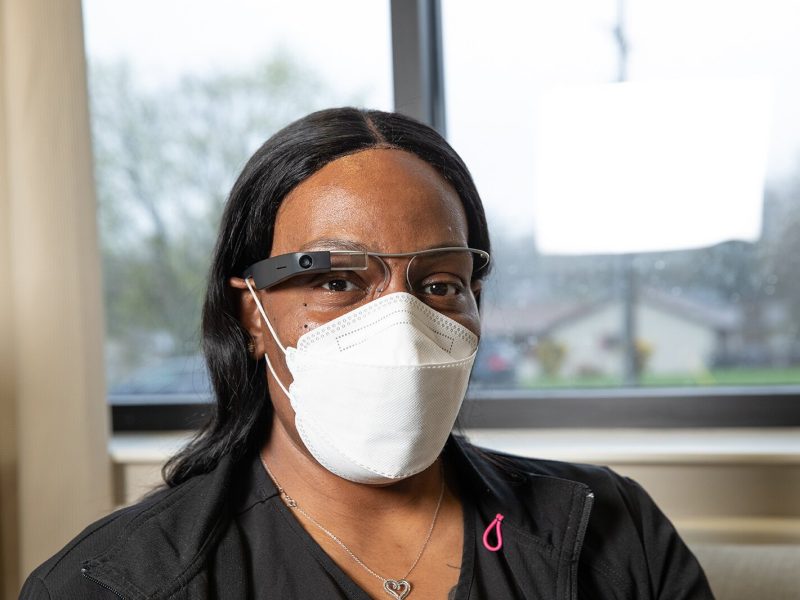
Caring for an older relative despite having no formal caregiving training can be stressful, but a new pilot project in the Grand Rapids area is using smart glasses to help.
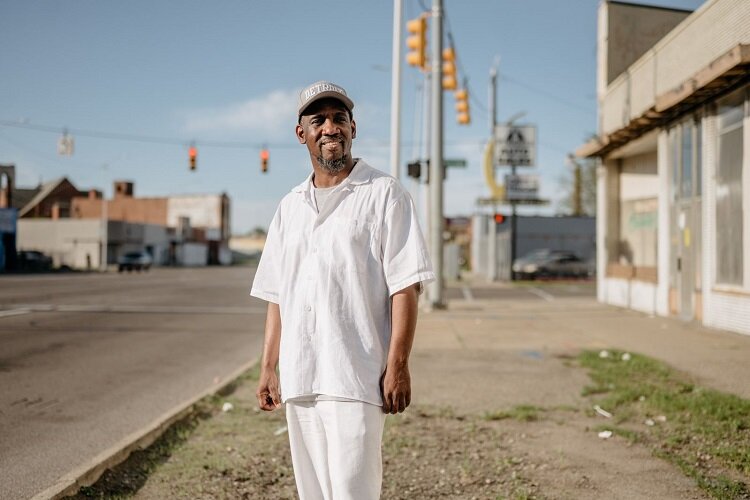
This East Side neighborhood could soon be home to a new facility that combines elements of a community center and business tech hub.
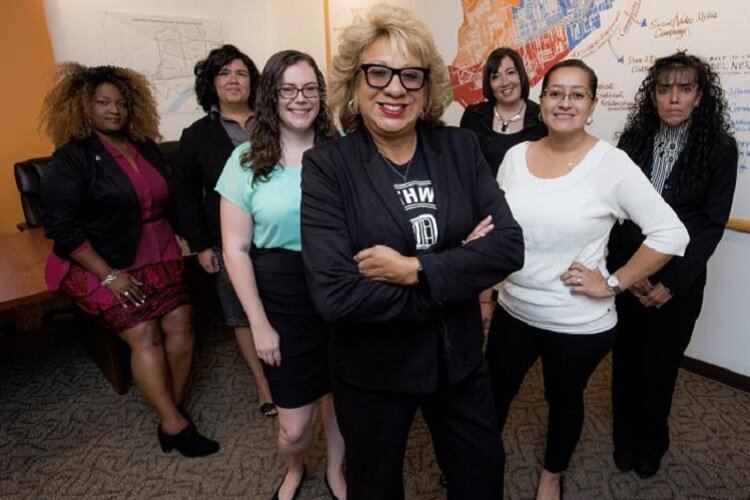
Maria Salinas of Congress of Communities offers insights on mentoring future leaders and serving residents through neighborhood organizing.
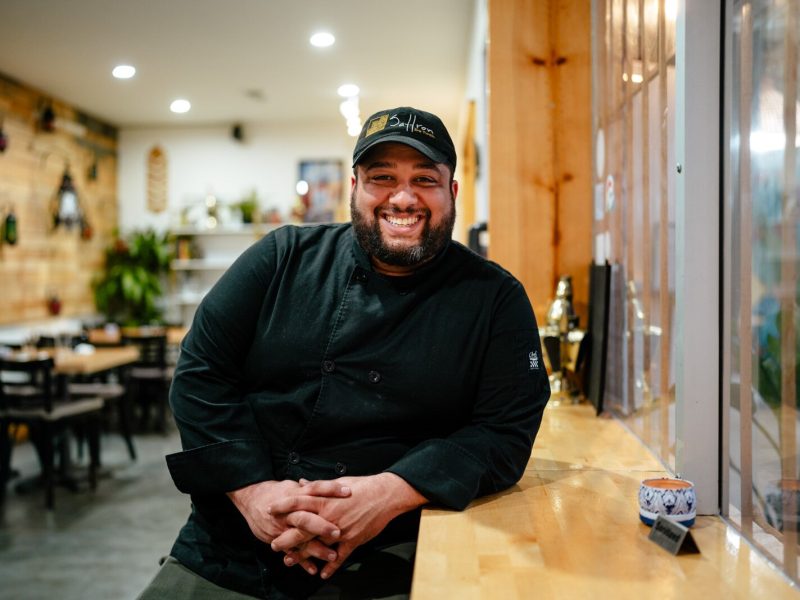
In the food business, less is more. These 16 Metro Detroit food businesses have already started leading the country in a sustainability movement boasting economic, environmental, and community benefits. They're looking for more to join them.
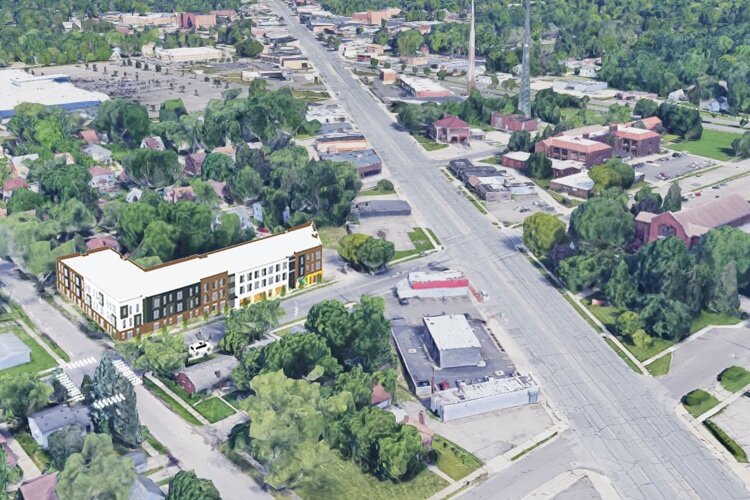
“It's a win-win,” says Amy Good, CEO of Alternatives for Girls. “That's what we wanted: a win-win, a neighborhood that would be a good fit, where our project would contribute to the community and the community would help our participants be successful.”
Our Partners


Common Ground Is Brewing
Support local stories and receive our signature roast straight to your door when you join at the Standard level (or above).
Drink Better, Read Local
