Detroit’s barren blocks offer a chance to reinvent the city
Detroit used to hold 2 million people. Now the city is somewhere around 900,000. That’s a lot of vacancy and, also, a lot of opportunity to reinvent Detroit.Excerpt:”What if a lot of the vacant land was allowed to begin to become green?” Pitera said. “Could Detroit truly become the greenest city in the United States?”This abundance of vacant land has people talking about new uses, such as urban farming, reforesting the city, and large-scale recreational areas. Urban farming is getting the most buzz. Michigan State University’s College of Agriculture and Natural Resources is among the groups touting urban farms as a solution for Detroit’s vacant land.”Given the amount of open land, I think there’s a real opportunity for Detroit to provide a significant amount of its fruits and vegetables for its population and the surrounding area,” said Mike Hamm, the C.S. Mott Chair of Sustainable Agriculture at MSU.Read the entire article here.
Detroit used to hold 2 million people. Now the city is somewhere around
900,000. That’s a lot of vacancy and, also, a lot of opportunity to
reinvent Detroit.
Excerpt:
“What if a lot of the vacant land was allowed to begin to become
green?” Pitera said. “Could Detroit truly become the greenest city in
the United States?”
This abundance of vacant land has people talking about new uses, such
as urban farming, reforesting the city, and large-scale recreational
areas. Urban farming is getting the most buzz. Michigan State
University’s College of Agriculture and Natural Resources is among the
groups touting urban farms as a solution for Detroit’s vacant land.
“Given the amount of open land, I think there’s a real opportunity for
Detroit to provide a significant amount of its fruits and vegetables
for its population and the surrounding area,” said Mike Hamm, the C.S.
Mott Chair of Sustainable Agriculture at MSU.
Read the entire article here.
Related Articles
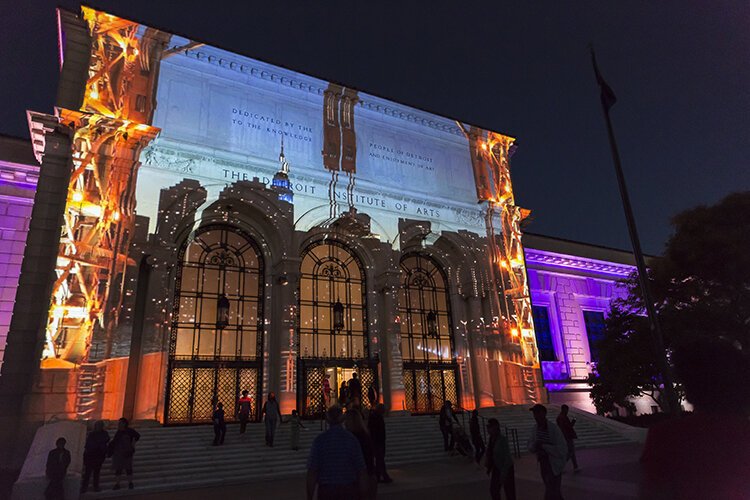
Dlectricity to return this fall to light up Cultural Center and Beacon Park
Inspired by international art and light festivals, the outdoor festival will serve as an opportunity to test digital and mobile strategies and showcase the Cultural Center's new Wi-Fi system.

Local photographer Brian Day captures Detroit for Apple project
Detroit photographer Brian Day is among 30-plus Black photographers nationwide commissioned by Apple to capture and share their hometowns with the world through their unique lens, all shot on iPhone 12 Pro.
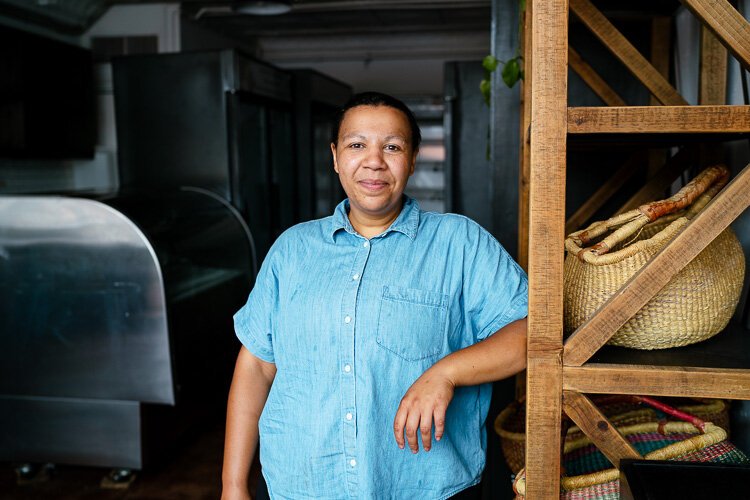
Detroit chef Kiki Louya to compete for title of ‘Top Chef’
Kiki Louya, a native Detroiter who co-founded Folk and The Farmer's Hand in Corktown and is the economic development manager at Grandmont Rosedale Development Corporation, will represent Detroit in the upcoming season of Bravo TV's popular cooking competition "Top Chef," the chef, writer, food activist and restaurant consultant announced on her social media pages.