Grassroots movement shatters myth that Detroit is ‘food desert’
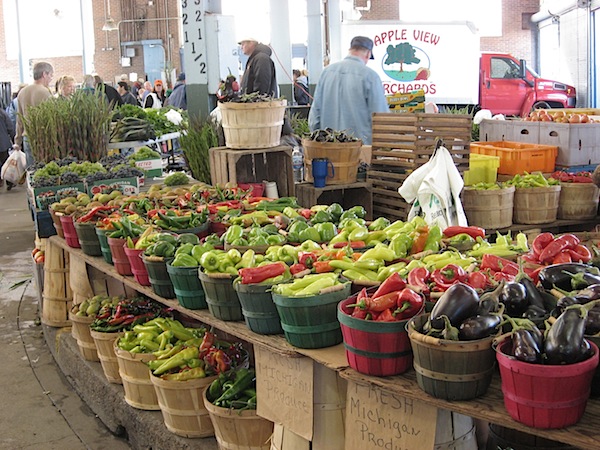
Detroit is a national leader in the urban agriculture movement with more than 1,500 farms within the city limits and includes Eastern Market, which has more than 250 independent vendors and merchants processing, wholesaling, and retailing food.
In many people’s minds, Detroit stands apart from other major American cities as an unredeemable disaster.
It’s a lost cause, they say, and we’d do better investing scarce resources toward revitalizing other cities with better prospects for the future.
So what makes Detroit different in the public imagination than other cities grappling with population loss, budget deficits, unemployment, crime, racial divisions and political corruption?
In large part, it’s disinformation. For example, the widespread belief that the city is a food desert with no supermarkets or any sources of fresh produce is, like many myths about Detroit that have grown up over the past 30 years, simply not true.
Actually Detroit sports more than 80 groceries, ranging from full service supermarkets to well-stocked neighborhood and ethnic stores. In May, Whole Foods broke ground for a new store in Midtown and Meijer’s, a well-regarded supermarket chain based in Grand Rapids, started construction on a superstore on the West Side.
“We have some vendors who have been here for generations, like one old farmer who remembers selling produce here with his grandfather when he was six,” says Jela Ellefson, Grants and Special Projects Coordinator, who joined Eastern Market through the Detroit Revitalization Fellow Project — a Wayne State University project that connects rising professionals with organizations on the forefront of revitalization efforts in the city.
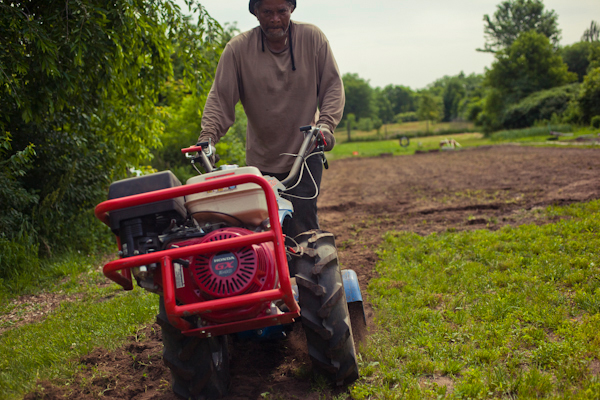
Detroit is a blossoming leader in the urban agriculture movement, says Ellefson, with more than 1,500 farms within the city limits ranging from vacant lots to a 7-acre spread on the West Side planted by the Detroit Black Community Food Security Network. Just two blocks from Eastern Market you’ll find neat rows of tomatoes, peas, salad greens, onions, beets, collards, okra, kale, leeks, rhubarb and fruit trees at the 2 1/2-acre Grown in Detroit cooperative farm, one of several plots around the city run by the group Greening of Detroit.
All of this certainly defies Detroit’s reputation as a food desert. Oran Hesterman, president of the national Fair Food Network, says that the definition of a food desert is a place without mega-scaled groceries. “If you define the problem as the lack of these kinds of stores, then they represent the only solution. But there are many different ways to provide fresh foods in a city.”
His group, which is based in Ann Arbor but works across the country to “uphold the fundamental right to healthy, fresh and sustainably grown food,” has launched three initiatives to improve Detroit’s food landscape, which he says has three times fewer grocery stores per capita than Ann Arbor. 1) The Detroit Grocery Incubator Project, which helps local entrepreneurs launch groceries and other sources of wholesome food; 2) The Fair Food Fund, which channels capital to food entrepreneurs; and 3) Double-Up Food Bucks, a statewide initiative that offers food stamp families a 2-for-1 deal on Michigan-grown fruits and vegetables at farmers’ markets.
The Detroit Economic Growth Corporation, a non-profit business promotion organization that employs two Detroit Revitalization Fellows, initiated the Green Grocer Project (with funding from the Kresge Foundation), to help stores expand their fresh food offerings through assistance on loans, marketing, merchandising and customer service. The project also helped bring Whole Foods to town, and has launched an outdoor produce stand at the Metro Foodland supermarket in Northwest Detroit.
Additionally CDC (the Central Detroit Christian Community Development Corporation) runs a year-round indoor produce stand, Peaches and Greens, in the Central Woodward community, and a produce truck that travels to many low-income neighborhoods during the growing season.
“The food scene in Detroit is very grassroots, not just upper middle class people like in some places,” says Wayne State Urban Studies professor Kami Pothukuchi.
She directs Seed Wayne — an initiative to promote fresh foods on campus with a weekly farmer’s market, community gardens, rooftop gardens and educational research — as well as Detroit Fresh, a project to bring healthier foods to corner stores throughout the city.
Jay Walljasper, author of The Great Neighborhood Book and All That We Share: A Field Guide to the Commons, is a Senior Associate with Citiscope and Senior Fellow with Project for Public Spaces.
Related Articles
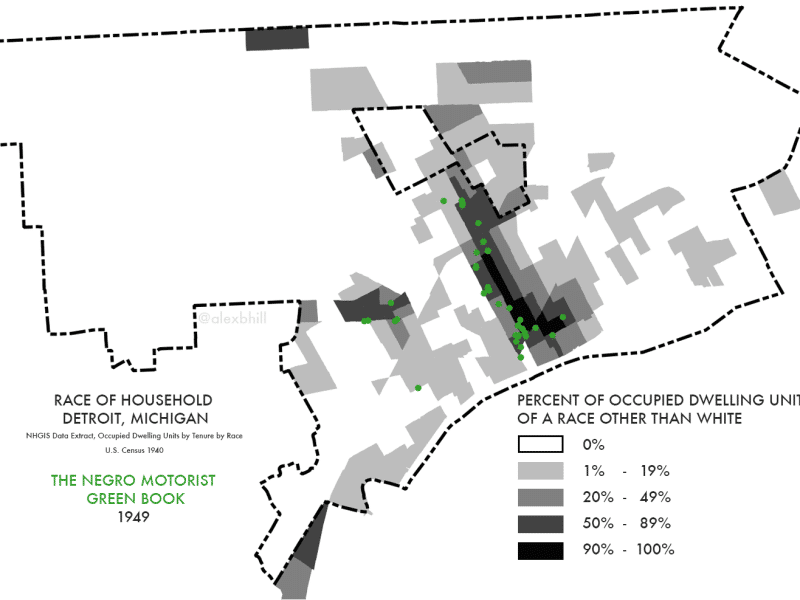
Mapping Detroit: Green Book Locations
Green Books mirrored the state of discrimination, racism, and African American rights in the nation each year. Detroit’s listings started in 1938.

3+13 Ways to Celebrate 313 Day in Detroit
March 13th — known locally as 313 Day — is Detroit’s unofficial holiday celebrating the city’s area code, culture, and community pride.
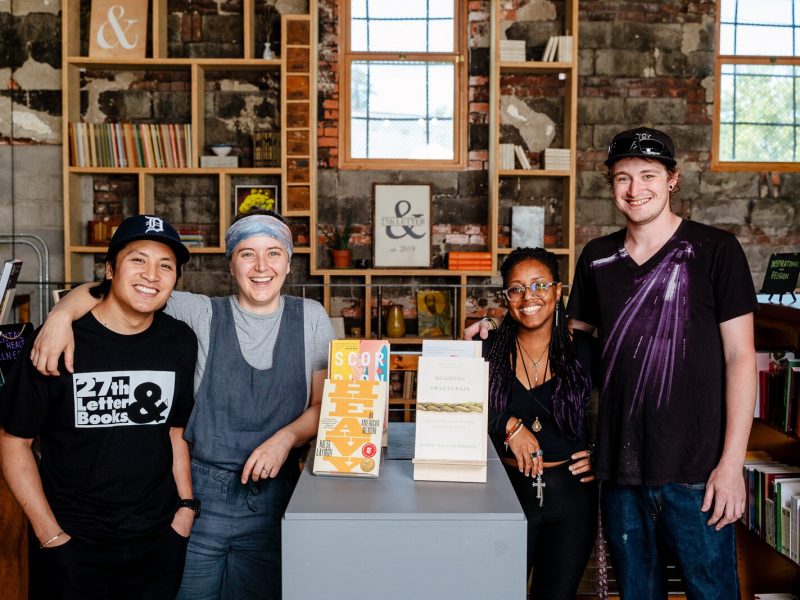
Travel + Leisure Names Detroit, “Most Underrated City” in Midwest. Here are 5 Gems We Think Were Missed
Detroit’s renaissance is happening in every corner of the city, often in places that fly just a little under the radar. At Model D, we’ve had the chance to cover many of those emerging spaces, projects, and entrepreneurs shaping Detroit’s future. Here are five Detroit gems we think deserve a spot on any “underrated Detroit” list.