Detroit CDFI Coalition celebrates impact, advocates for funds to further propel growth, prosperity in communities
Detroit CDFI Coalition members continue to collaborate together, and advocate collectively for consistent Michigan CDFI funding to further propel their impactful mission-driven work in communities.
Block by Block is a solutions journalism series that is supported by IFF, CEDAM and Invest Detroit, and is focused on community development leaders and initiatives in Michigan, Ohio and Indiana.
When traditional funding isn’t available, mission-driven financial institutions step in to provide support for consumers, businesses, real estate development projects. These community development financial institutions (CDFIs) exist singularly, and part of citywide, regional, statewide, and national coalitions or collectives. They serve as a catalyst for growth, revitalization and prosperity in their communities.
Statewide, the MI CDFI Fund was created in the FY23 budget and originally funded with $75 million, and received additional funding of $9 million in FY24, $5 million in FY25 and $6.2 million in FY26.
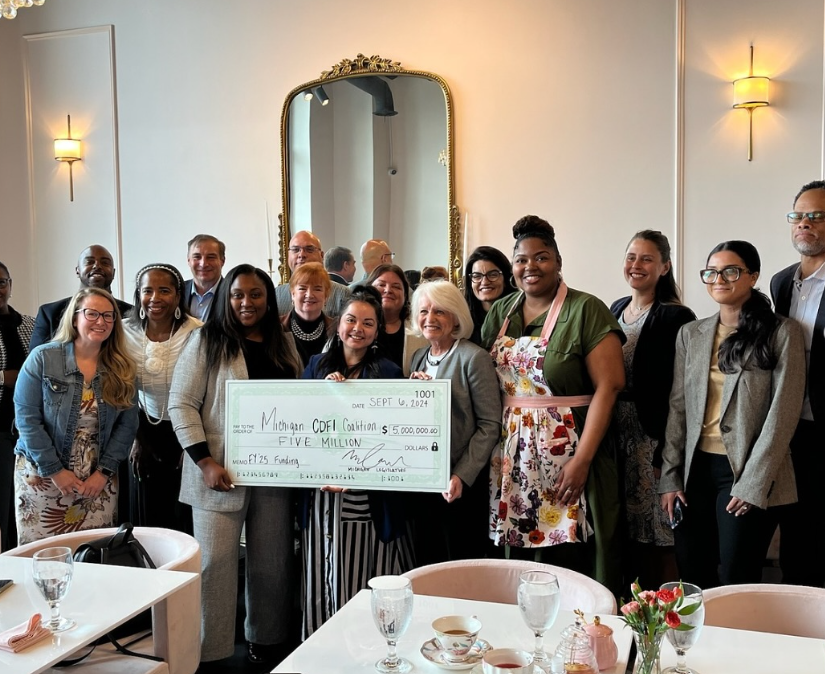
Invest Detroit Senior Vice President of Public Policy, Jennifer Hayes, says the funding is critical to grow the lending capacity. Many CDFIs use the grant funding to leverage additional funding, including federal, private, and foundation funding.
Within the city of Detroit, those CDFIs are part of a collaborative network, the Detroit CDFI Coalition, which only amplifies the impact they have on the communities which they serve.
According to the New Market Tax Credit (NMTC) Program summary data report from October 2025, the Detroit CDFI Coalition has invested $835 million, across 65 projects, 236 loans and 35 community development entities (CDEs).
This is compared to the statewide impact of $1.8 billion invested, across 156 projects, 29 counties, 429 loans and 58 CDEs. These reports include impact data from 2004 to 2022 from the U.S. Treasury Department’s CDFI Fund public data release.
The data shows that for every $1 of federal funding the program generates approximately $8 of private investment. Hayes considers Sen. Mary Cavanagh very familiar with the CDFI community and their work.
“She helped champion the creation of the Michigan CDFI Fund, and through her role as the Chair of the Senate Appropriations Subcommittee for LEO/MEDC, she has championed efforts for annual funding for the past four years,” Hayes says. “She continues to work with us on ways we can grow our impact and reach more borrowers.”
Sen. Cavanagh says she has been able to witness the impact CDFIs have in their communities, the same communities she represents in the Sixth Senate District (Northwest Detroit, Redford, Livonia, Farmington, Farmington Hills).
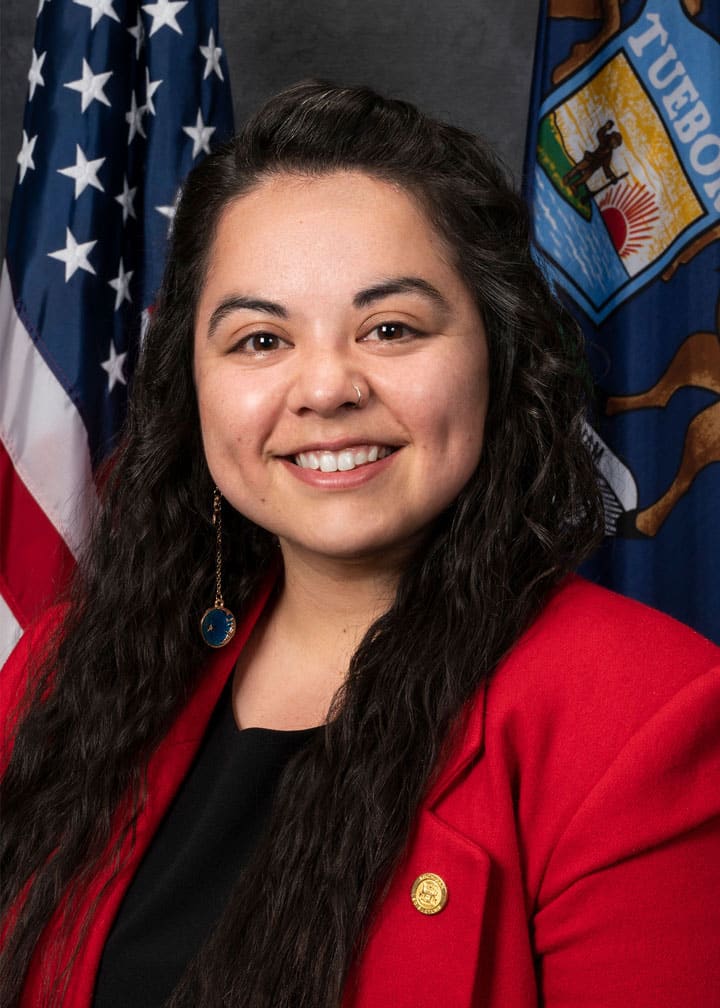
“Detroit has been historically disinvested in by traditional financial institutions, despite being full of talent, creativity, and entrepreneurial spirit. CDFIs help fill that gap,” Sen. Cavanagh says. “They provide access to capital to those who may be denied from the traditional system, and they are committed to long term success, investing in education and resources for long-term stability beyond just capital. For Detroit, that means more homeowners, more small businesses on our corridors, and more wealth staying in the community instead of being extracted from it.”
The senator has witnessed the positive impact and tenacity CDFIs exhibit within her own Northwest Detroit community, making affordable housing, business developments, educating future entrepreneurs, renovating historic and blighted buildings — ultimately supporting a vibrant business ecosystem.
Some people don’t know what CDFIs are or the differences in how they operate versus traditional banks. Sen. Cavanagh believes increasing awareness is crucial to both the public and lawmakers.
“Not only is it critical to spread awareness about how effective CDFIs are, especially when able to leverage state dollars, but also heightened public awareness may lead Michiganders who don’t know where to go for support for their dream of homeownership or entrepreneurship may find a place that fits within the MI CDFI environment,” the senator says.
Sen. Cavanagh considers the Michigan CDFI Fund one of the most impactful economic development tools.
“It’s the largest state-supported CDFI fund in the nation, and it allows state dollars to go farther by leveraging significant private investment,” the senator says. “The fund gives CDFIs the stability and scale they need to expand their impact in communities that need it most.”
Moving forward, Sen. Cavanagh says she plans to continue advocating for long-term, stable funding for this fund in hopes it won’t be vulnerable and varying from year to year. Cinnaire Corporation Vice President and Southeast Michigan Market Leader Yulonda Byrd. Within her role, she covers Southeast Michigan, the tri-counties of Oakland, Wayne, and Macomb.
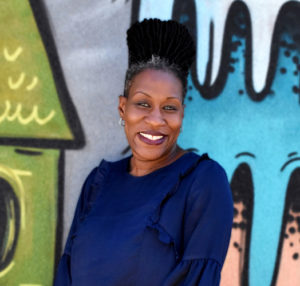
“Cinnaire has been around for 32+ years, and we started out as a low-income housing tax credit syndicator,” Byrd says. “We have expanded as our market has shifted and changed, and as the needs of the community have changed, we have grown our business to include lending, pre-development, development of housing and community facilities, usually through the new market tax credits.”
Byrd knows the benefits of being a part of the Detroit CDFI Coalition.
“When we’re all in the same spaces advocating for the same thing, you can build this bond, this friendship and camaraderie where you’re working collectively to solve the problems,” she says. “I personally believe this, and I believe Cinnaire believes this too — it takes a village and no one organization can serve all of the needs. It’s going to take a collaborative effort of all of us coming together and advocating for the needs, but also using our resources to help solve for some of the concerns and barriers within the communities we serve.”
Byrd, alongside other united CDFI members including Carpenter from Invest Detroit, went to Lansing to meet with legislators to discuss the impact of the CDFI Fund. As a united front, they advocated for the funds to be appropriated and at a fixed level, rather than fluctuate from year-to-year.
The real-life impact these funds can have on Detroit neighborhoods is evident to those who live and work in the area. Byrd is especially proud of projects like the Kornr Store, in the Northwest Goldberg neighborhood. a Cinnaire provided capital for this development within the low-income geographic area.
“We often hear that there is no access to healthy food options for residents living in the food desert of Detroit. We provided her with capital we received so she could provide a corner store to offer and bring healthy food options to individuals in that community,” Byrd says.
Working in a similar community to the one she grew up in has been especially rewarding for Byrd.
“I grew up on the system, I grew up in public housing,” she says. “For me to be able to work at an organization whose mission is to continue to ensure that housing is available for a population of folks that, in my mind, continue to be disenfranchised by our laws and policies — just to know I have influence and a voice is very gratifying.”
Moving forward, Byrd hopes to continue having more collaborative discussions about barriers, inviting in solutions, and advocating with legislators.
The 501(c)(3) Michigan Community Capital (MCC) serves as a partner, facilitating transformational projects, investing in people first, and places second. The organization has had $1.6 billion in community impact, $402 million in new market tax credits deployed, built or rehabbed 6.3 million square feet, financed 1,675 residential units, and created/retained 7,453 permanent jobs.
Vice President of Policy and Impacts at Michigan Community Capital, Stacy Esbrook, knows that it’s rare for a state to have a CDFI Fund.
“There’s less than 10 states, probably five or six states that have a CDFI Fund that provides funding directly, and to my knowledge, we have the largest,” Esbrook says.
MCC President and CEO Eric Hanna says the Michigan CDFI Coalition began as an organization to collect data, set up meetings with elected officials, businesses, and stakeholders to explain the value of the work they’re doing.
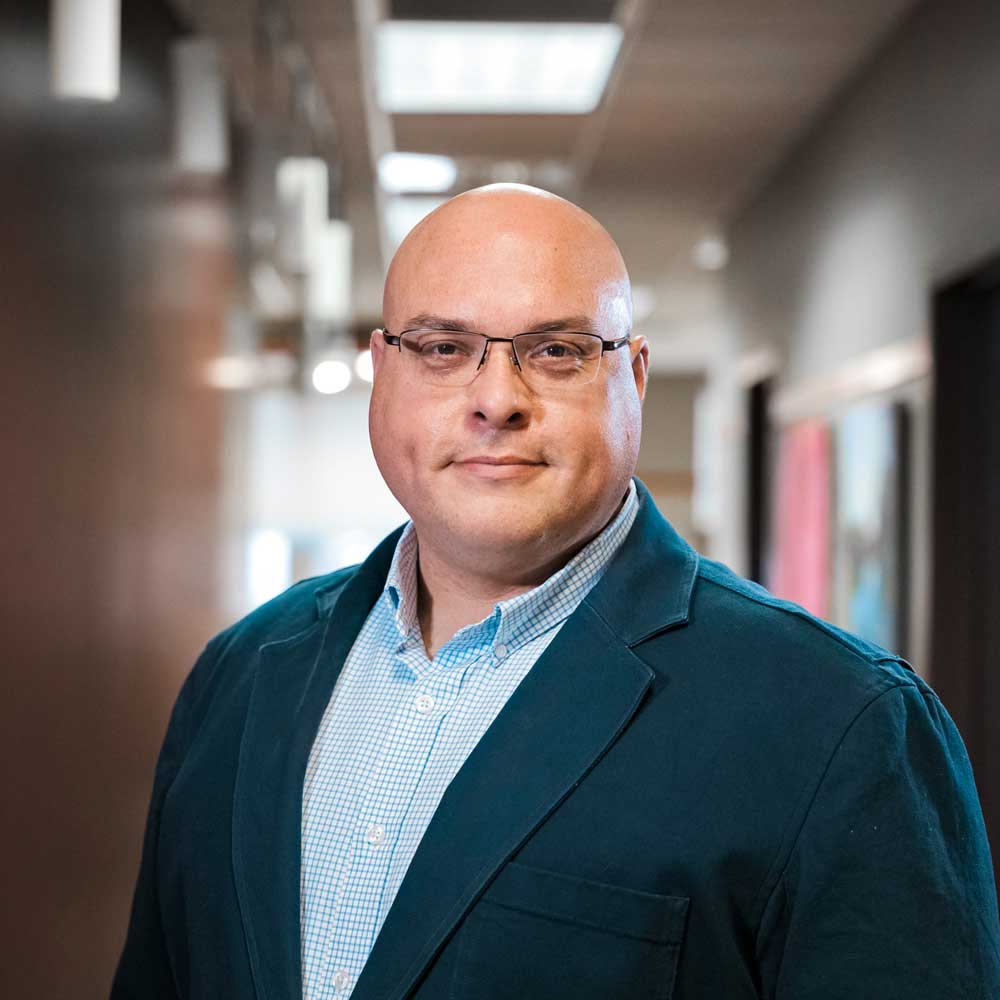

“During the ARPA budget years where there was lots of excess funding around, it was really important for us to have a strong voice and have awareness amongst the broader group of stakeholders because it represented a unique opportunity to add capital to the CDFIs in the coalition. That capital is very rare and precious and is really the fuel that generates the private investment to be able to execute on these transactions,” he says.
One example Michigan Community Capital is especially proud of is their work with The Detroit People’s Food Co-op, a Black-led and community-owned grocery cooperative.
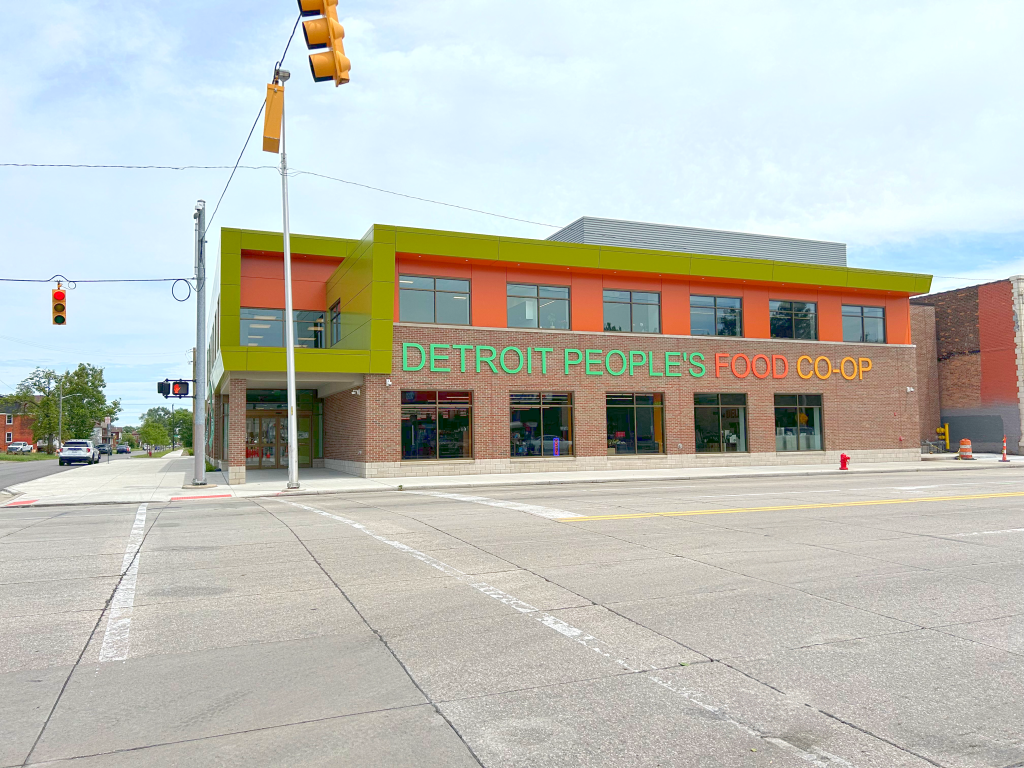
“They were a grassroots organization that had existed long before a brick and mortar store was ever contemplated,” Esbrook says. “They had worked for years to try to get a financing structure in place so they could open a food co-op with a retail space for all the different Black food growers in Detroit to sell their goods. There’s community space, education, and activities that are a part of that too.”
The model was to go against the extractive, capitalistic system of grocery stores. Decades of hard work, advocacy and mission-driven work across all partners have led the idea to a reality. Hanna says this is a great example of the long-term value of projects CDFIs can assist.
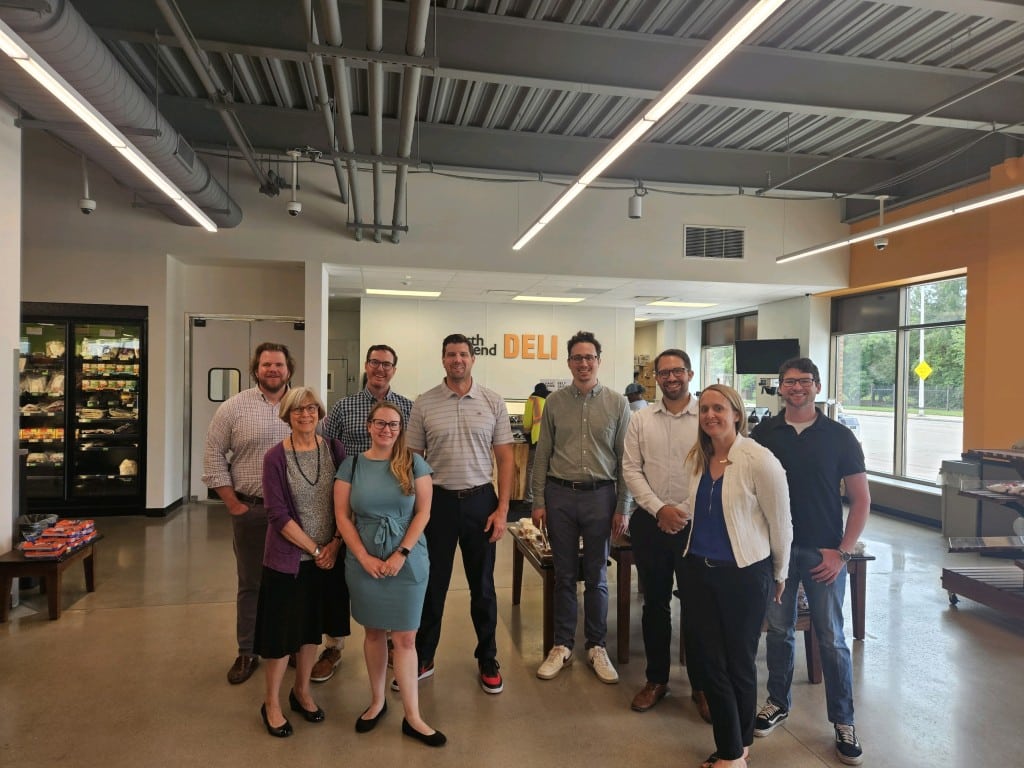
“That facility is a world-class facility that, if cared for properly, will serve the City of Detroit for 50-80 years,” Hanna says. “It’s not an extractive model, a lot of the food is locally grown or sourced by individuals in the grocery business locally. Resources being spent on it are staying local and reinvesting in neighborhood businesses.”

Hanna agrees with Byrd in that consistency is everything when it comes to funding, and hopes regular meetings locally, regionally, statewide and nationally, can set the ecosystem up for success.
“If we can continue to set the Michigan CDFI fund up to have a consistent level of availability in each budget cycle each year, the CDFIs in the state of Michigan will collectively win more federal money, will attract more private capital from banks and they will close more deals,” he says.
Related Articles

3+13 Ways to Celebrate 313 Day in Detroit
March 13th — known locally as 313 Day — is Detroit’s unofficial holiday celebrating the city’s area code, culture, and community pride.
Travel + Leisure Names Detroit, “Most Underrated City” in Midwest. Here are 5 Gems We Think Were Missed
Detroit’s renaissance is happening in every corner of the city, often in places that fly just a little under the radar. At Model D, we’ve had the chance to cover many of those emerging spaces, projects, and entrepreneurs shaping Detroit’s future. Here are five Detroit gems we think deserve a spot on any “underrated Detroit” list.
Detroit was once home to 18 Black-led hospitals – here’s how to understand their rise and fall
Detroit had approximately 18 Black-owned or Black-operated hospitals during the 1940s and ’1950s. Their decline followed structural and policy shifts. Hospital desegregation after World War II opened previously white-only hospitals to Black physicians and patients.