It Takes a Village
You’ll find The Villages of Detroit on the Near Eastside, between Downtown and Grosse Pointe, close to the Detroit River. It’s the water, the diversity of housing and people, the gardens, four parks including Belle Isle and soon the edge of the Detroit RiverWalk at Gabriel Richard Park, which proponents of the area cite among its strengths.
The neighborhood includes Indian Village and West Village, prominent historic districts that once housed Detroit’s elite and still represent some of the finest architecture in the city. It is where throngs of motorists become pedestrians at the annual Indian Village Home and Garden tour in June and Garage Sale in September, and runners pass through during the Detroit International Marathon (www.detroitfreepressmarathon.cp) in October. It’s also in the vicinity of the annual Gold Cup boat race (www.gold-cup.com), the Detroit Boat Club Regatta, Detroit Dragon Boat Festival (www.detroitrowing.net) and the Motor City Triathalon (www.3disciplines.com)
In recent years, development and community collaboration have expanded the identity of this historic area into a cluster known as “The Villages of Detroit” (www.thevillagesofdetroit.org), located between Grand Boulevard and Mt. Elliott, South of Mack Avenue and along the waterfront. The Villages include Indian Village, West Village, English Village Brownstones, East Village, Islandview Village, seven riverfront apartments, condominiums, and co-ops, and the Berry Subdivision, where Detroit’s mayor lives in the Manoogian Mansion.
Neighborhood living near downtown
The Villages are part downtown, part Grosse Pointe, offering “all the benefits of neighborhood living with proximity to downtown,” says James Boyle, director of Marketing for the Detroit Institute of Arts who lives in a 1904 house in West Village. He relishes the thought of living in a “cool” old house with “a yard and a dog,” yet being “seconds from downtown.” He’s also a short distance from the Grosse Pointe shopping districts.
Villagers claim ownership of Detroit’s jewel, Belle Isle, as a commons, with many families claiming the Detroit Yacht Club as their community center, with its fitness facilities, restaurant, social functions, and, of course, boats. Boyle says that neighbors regularly run and bicycle to the island, enjoying its pastoral splendor. Villagers also can choose Erma Henderson Park, featuring a small marina, fishing, and running/walking path, as well as Owen and Gabriel Richard parks for picnicking.
The area takes pride in its own leafy tradition, symbolized by the garden tour. West Village has begun plans to establish a community garden, similar to the Indian Village Community Gardens, says Bill Swanson, who lives in a late Victorian home in West Village and serves on the board of the neighborhood association. West Village, he says, is also creating a “tree farm” on a vacant lot in conjunction with Greening of Detroit. When the seedlings mature, they will be transplanted in the neighborhood.
Like all Detroit neighborhoods, The Villages have to deal with crime prevention, and respond accordingly with strong relations with local police, a private security patrol, citizen’s involvement, and home alarms. Villagers aren’t deterred by this reality, but are strident in continuing the development of the area.
There are three grocery stores with various specialties serving the area, including Eastern Market. Four pharmacies are also available for prescriptions and basics. Pewabic Pottery, Anna’s Linens, Nubian Essence, Peal’s Music, along with antique stores and other small shops serve the area as well.
And while Wasko would love to have a neighborhood watering hole, he looks to Sinbad’s At the River, a Detroit classic, to have a few drinks and a good meal. Starbucks anchors the corner of Grand Boulevard and Jefferson Ave.
Good urbanism
For those looking for a local house of worship, there are several offerings. Christ Lutheran Iroquois Avenue Church in Indian Village is an example of how many of these churches serve as community centers. The church houses a Cornerstone school and also provides meeting a space for community functions.
Villagers stress that they are a growing sub-community within Detroit. “From $1 million mansions to affordable housing, new brownstones, old brownstones, high rise apartment towers, lofts,” Swanson says, “we have any type of housing you want.”
For example, Messiah Housing, a longstanding community development organization on the Near Eastside, has begun building single-family homes in addition to rental townhouses. Many vacant lots have been filled with attractive, affordable houses with yards and families who enjoy the same streets and the same parks as more affluent residents in Indian Village.
Bellevue Village, the first new construction of single-family homes on the Near Eastside in 50 years, features two-story homes with brick and vinyl siding. The houses have basements, three bedrooms, and two full bathrooms.
“East Village,” a development headed by Colin Hubbell, helps fill the range in the middle with new moderately priced single family homes near West Village. East Village, according to Hubbell, is an infill urban redevelopment project intended to build vital connections to the neighboring “Villages,” by incorporating contextual elements from the existing urban fabric into the new development.
“In our long-range vision, we also hope to develop attached town homes, and possibly neighborhood-scale commercial and live/work units,” according to a project description. “Our plan will balance proven principles of good urbanism with the needs of today’s marketplace, and will build on the area’s character, location, and recent development progress.”
Hubbell says that East Village complements the long-term vision for the Eastside. “East Village will provide a lifestyle option for families who enjoy access to the waterfront, Belle Isle and downtown,” he says. “As an infill development within the context of an existing neighborhood, it is intended to uplift the existing community.”
“The gap is closed,” says Boyle, referring to the space between East Grand Boulevard and Indian Village. “We’re not an island any more. We’re a vibrant community that has connections to downtown. The fact that downtown has developed as much as it has positively affects the quality of life in The Villages.”
When to invest? Now is the time
The neighborhood offers investment opportunities for restaurants, bakeries, hardware stores, and other niche retailers looking to serve a growing community. Kercheval is a less traveled route than Jefferson, but a main street nonetheless with plenty of storefronts waiting for commercial development.
Inside Indian Village, at the intersection of Agnes and Parker streets, “is one of the most beautiful urban pictures in the city of Detroit,” says Wasko. The corner, which features the historic Parkstone and Parkhurst apartments, offers an ideal, intimate setting for restaurants and coffee shops.
“There are a lot of small opportunities, like the corner of Van Dyke and Jefferson,” Bill Swanson says. There had been a florist, a nightclub, and small parking garage in the now vacant corner. On its far end, there’s a pizza store and bait shop. All held by one owner, the space is now for sale, he says.
This is the time to invest in The Villages, Boyle says. “We see a lot of eyes going through the area. Now is the time to get in.”
Related Articles
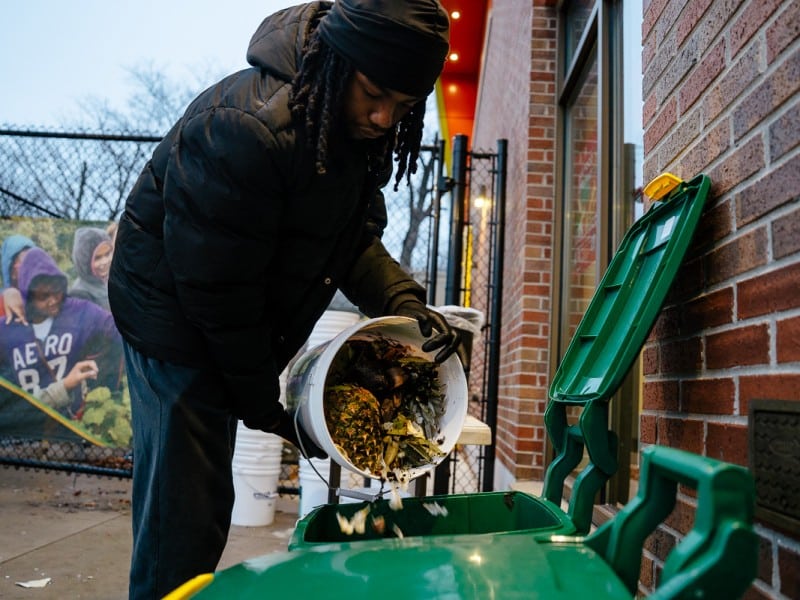
Partner Partner Content Reduce Food Waste in Detroit by Composting
More than 6000 pounds of food waste have been composted. Between the overwhelming response to the call for participants and the comments from participants and even passerby at the co-op, the project has demonstrated a distinct enthusiasm for composting among city residents.

Detroit Warms Up in Time for Valentine’s Day Weekend: 10 Things to Do
Whether you’re planning a romantic evening, a friends’ night out, or simply looking to experience something new, this Valentine’s Day weekend offers something for every mood.
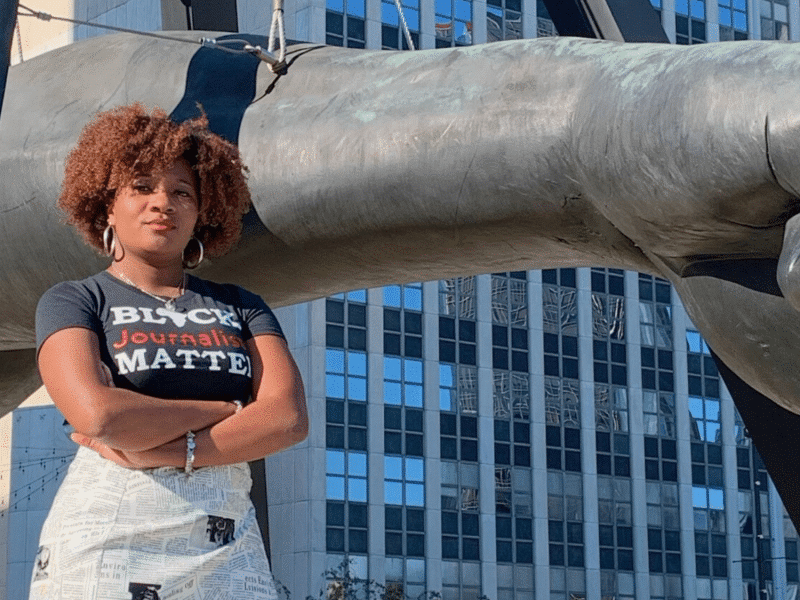
Leading with Care; Model D’s Newest Managing Editor, Kyla L. Wright, on legacy, community, and stewarding Detroit’s stories forward
In a city where Black culture and innovation shape every layer of life, representation in media leadership is not only symbolic: it is essential. I am honored to steward this publication forward with that responsibility in mind.