Transforming Detroit neighborhoods from within
From gun violence reduction to youth mentorship and block revitalization, Negus Vu’s work blends data-driven strategy with genuine care.
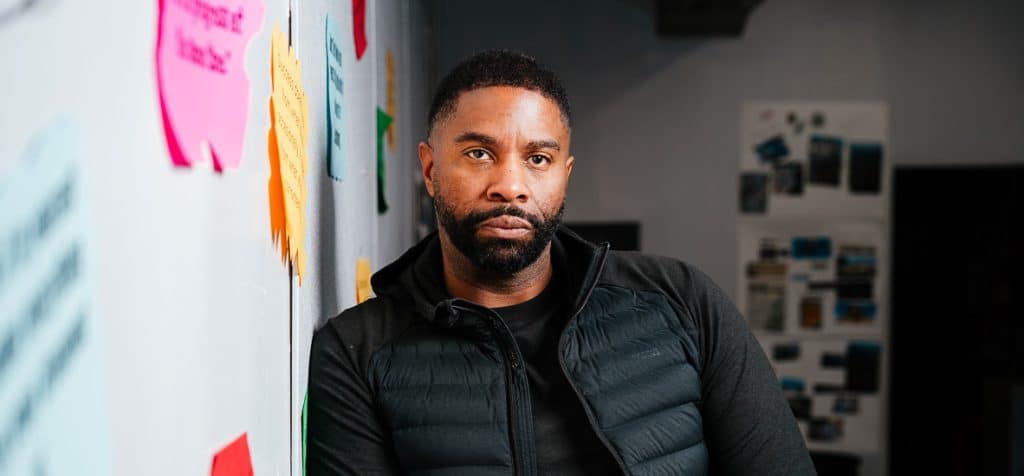
When Negus Vu talks about his work in Detroit, he speaks with humble pride, but make no mistake, the community organizer is leading a quiet revolution, one focused on empowering residents to rebuild their neighborhoods from the ground up.
“Growing up in my neighborhood, it was very family-oriented,” Vu says. “It was a rough neighborhood, but for me, it wasn’t like that. Everybody knew each other. The neighbors knew each other. That family-like vibe that was there in the community, I think that was one of the real essential elements of Detroit that a lot of people may overlook. I implement that within The People’s Action.”
Vu is the founder and president of The People’s Action, a 501(c)(3) grassroots organization dedicated to improving the lives of poor and working-class Detroiters through direct service, advocacy, and community organizing. The group’s core program, Adopt the Block, takes a hyperlocal approach, addressing community needs from food insecurity and safety to youth mentorship and home repair, along with weekly block parties during the warm seasons.
The People’s Action focuses on a four-square-mile area of northwest Detroit, stretching from Eight Mile to Curtis St. along Greenfield Road — Detroit’s 8th Police Precinct, which Vu says is “considered to be one of the most violent, if not the most violent, areas of the city.”
The organization’s philosophy is simple: people have the power to fix their own neighborhoods when they’re given the tools and trust to do so.
“Our mission is to alleviate the economic conditions of minority people and marginalized groups,” he says. “We want people to really start to become their own solutions in their communities.”
He adds, “We believe that any community can thrive if the people become agents of change within the community, regardless of the economic conditions. All of that can be reversed with collectiveness and unification of people and community care — and actually moving and acting on that.”
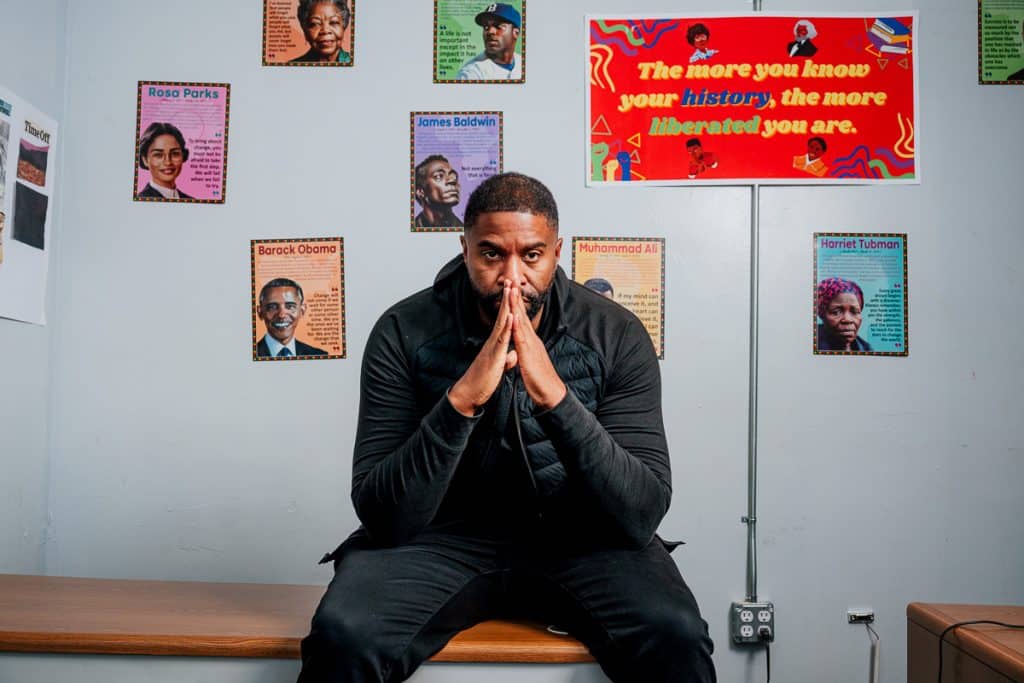
Before he was a community leader, Vu was a young Detroiter searching for direction too.
“I had some issues in the past where I did involve myself in things that I’m not proud of — nothing violent — but certain other things that led me down the wrong path momentarily,” he says. “But I was able to overcome it because I had a great support system.”
He adds, “For the same negatives, I had positives as well. That’s the thing that helped me. I made the right decisions overall.”
Part of that was a dedication to give back, and to become the role model he didn’t always have growing up.
Initially, Vu was part of a group called New Era Detroit, and his persistent love for community work led him to branch off and create his own initiative. When he left New Era Detroit in 2017, he decided to turn his passion project into a full community-based program.
Additionally, Vu studied biology at Wayne State University — a detail that might seem unrelated to community organizing, but he insists it shaped his approach.
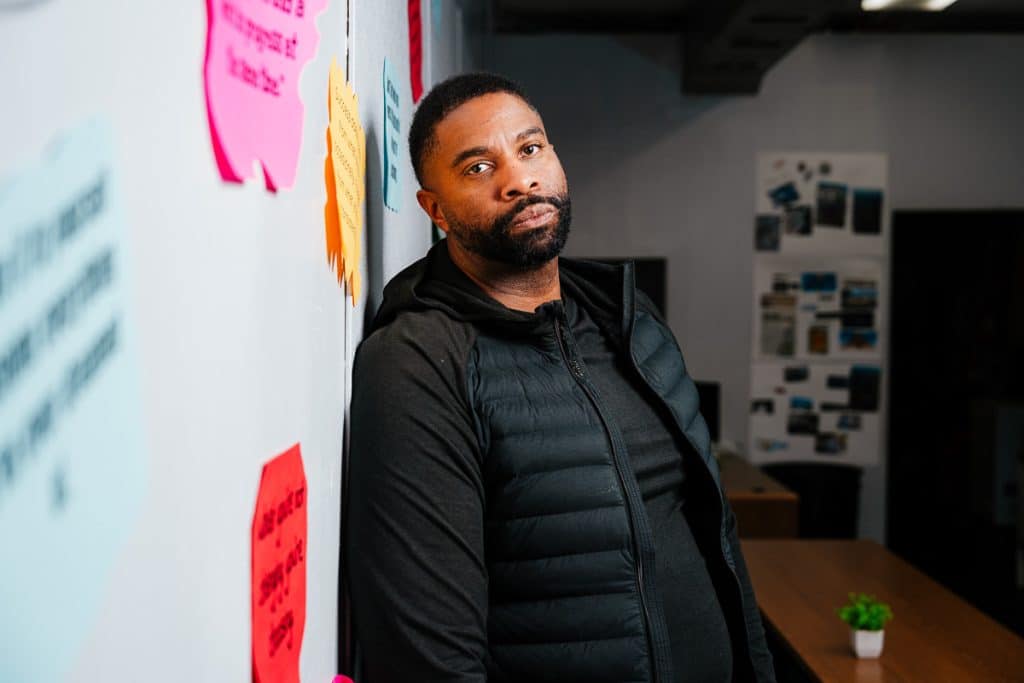
“I applied a lot of those applications to the way we work. It’s very methodical,” he says. “A lot of that plays a role in the community work that we do, because we’re known through the city as being data-driven. We look at the information, the data that we collect, and then we make that the driving force behind our decision-making and a lot of the initiatives that we do.”
That scientific precision, mixed with a humanitarian heart, has led to real results.
In 2023, The People’s Action (listed as Detroit People’s Community) was selected as a Detroit ShotStoppers program, a city initiative that funds grassroots groups to reduce gun violence in high-risk neighborhoods.
Since then, Vu says, “we have reduced gun violence by 49% in that community, which is tremendous.”
He credits that success to the sincerity of his team. “Because we started out as volunteers, there were no incentives, there were no disingenuous intentions,” he says. “That rolled over into the actual work.”
Consistency, he adds, is key. “One of the things that we committed ourselves to is that we’re going to be there for years,” he says. “In order for us to build a rapport with that community and really gain trust, one of the most important, essential things to do is have a level of consistency. When you’re consistent and persistent, that sits well with people because then they’ll develop some level of familiarity. They know you’re sincere. They know you’re not there just to be there, and you become a household name.”
Vu describes that kind of persistence as “a form of love.”
“Love just doesn’t go away,” he says. “Love is consistent. It’s there for you through the thick and thin. And that’s what we try to do as an organization — to be that for the community.”
The People’s Action continues to expand, from hosting back-to-school drives and food distributions to organizing youth-centered events like the Anti-Violence Football Tournament happening November 22. Each project aims to merge prevention with empowerment — offering alternatives to violence while creating opportunities for leadership.
For Vu, success isn’t measured by numbers alone but by transformation — the kind you can see in someone’s eyes when they start to believe in themselves again.
“Anytime we get a young boy or young girl who was susceptible to getting into an alternative lifestyle, and we’ve got them jobs or we get them to schools, that’s the impact,” he says. “That’s the kind of thing that keeps me motivated.”
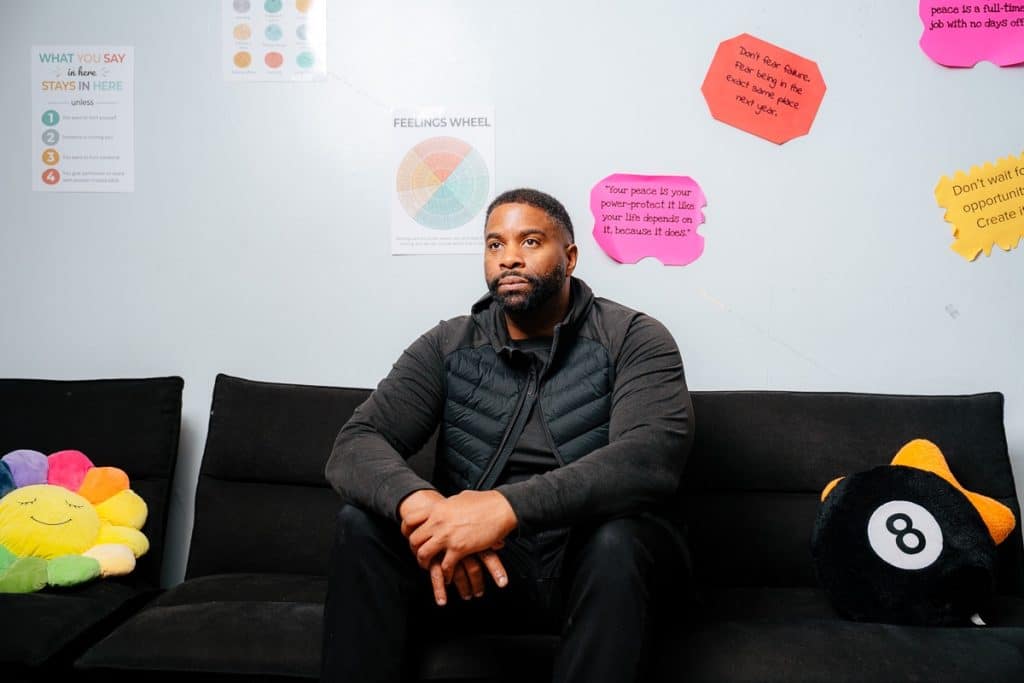
Now, after 15 years in community work, Vu’s vision stretches beyond Detroit.
“I want to go in different urban cities and do the same level of programming,” he says. “I want to expand membership with volunteerism — to expand and scale up everything that we’re doing now, and also to expand across the country, to be in different states, in different cities, and become a national organization.”Still, Detroit will always be the blueprint — the community that shaped him, challenged him, and ultimately became his life’s mission.
“I’ve done this work probably 70% of the time for free,” Vu says. “But it’s been worth it. I don’t regret it. I’ve helped change people — but also individuals have helped change me. As long as we have that love and sincerity, I think we’re always going to be there.”
Resilient Neighborhoods is a reporting and engagement series examining how Detroit residents and community development organizations work together to strengthen local neighborhoods. It’s made possible with funding from The Kresge Foundation.
Related Articles
A vision for mushrooms as part of Detroiters’ everyday wellness routine
A Detroit mushroom farm and cafe owner bet on his city, and the response is sprouting business growth and expansion.
Detroit has community buy-in for Solar Neighborhoods Initiative
With 139 square miles of land – some blighted or unused and ripe for repurposing – Detroit is well-positioned to develop solar farms to help power city buildings.

Composting project empowers Detroiters to reduce food waste, protect the environment
Food waste makes up one-quarter of landfill waste and contributes to more methane emissions than other landfill materials. The Detroit Community Composting Collective Project is out to curb food waste by training backyard composters.