Michigan providers use innovative technologies to expand access to behavioral health
Telehealth, which ramped up during the COVID-19 pandemic, is here to stay and many agencies and providers are finding new ways to implement it.

State of Health is a series about how Michigan communities are rising to address health challenges. Previous coverage examined health disparities and how they affect Michigan's children and seniors and integrated care and its potential to improve Michiganders' health. This series is made possible with funding from the Michigan Health Endowment Fund.
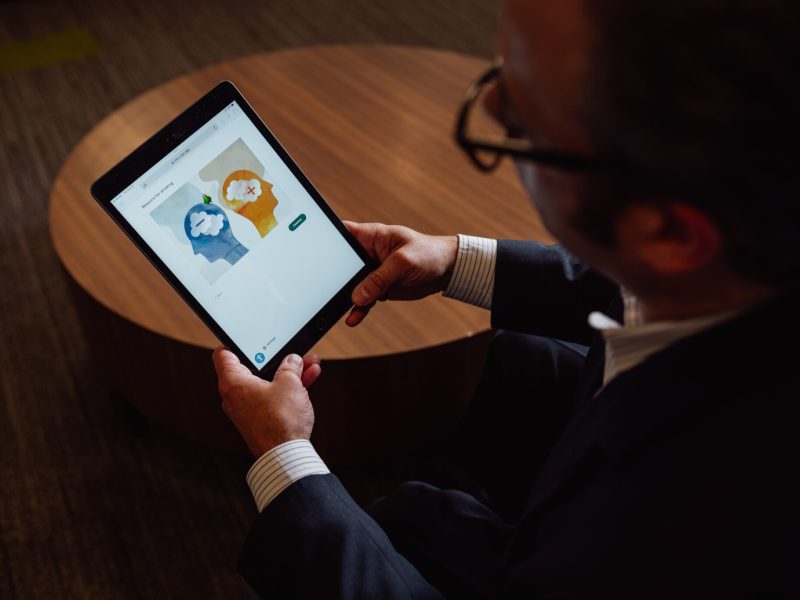
Telehealth, which ramped up during the COVID-19 pandemic, is here to stay and many agencies and providers are finding new ways to implement it.
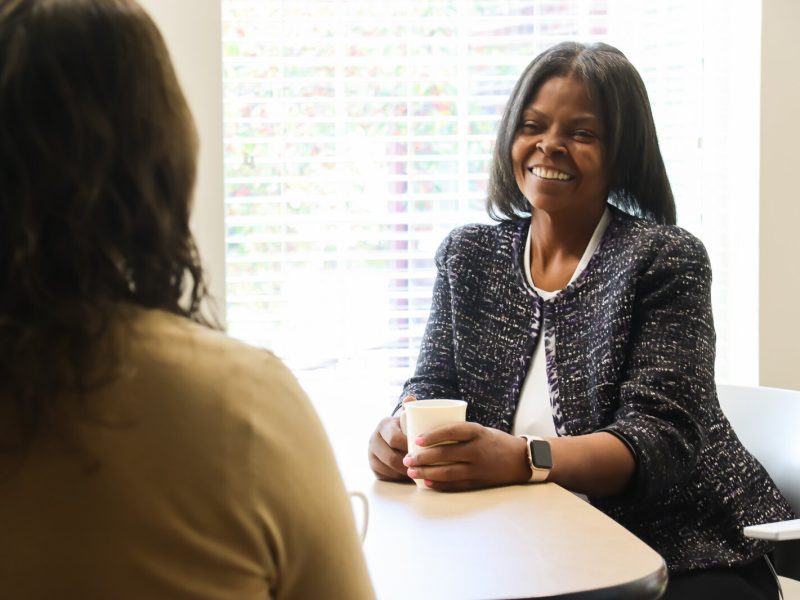
Michigan organizations are innovating to address the non-medical factors that influence people's health in alignment with the state of Michigan's Social Determinants of Health Strategy.
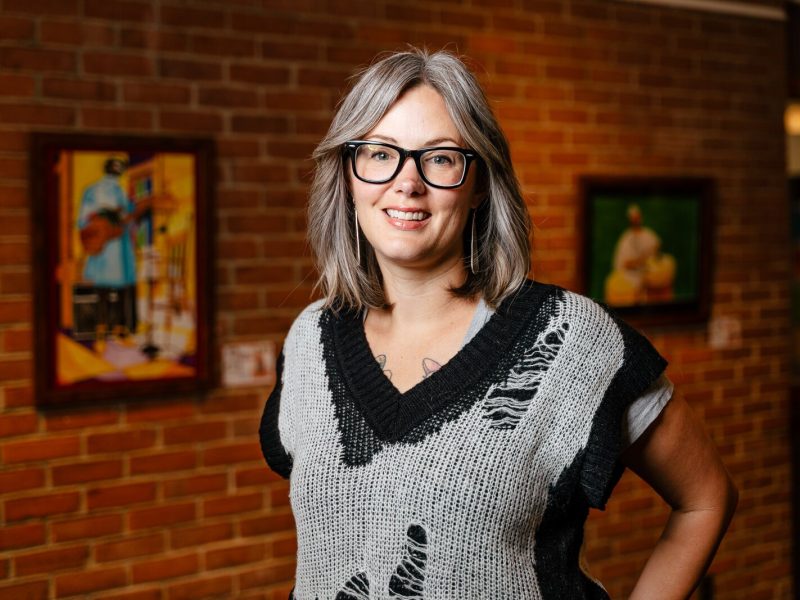
A new allotment in the state budget will directly support the work of community-based organizations that are already providing health-related services to LGBTQ+ Michiganders.
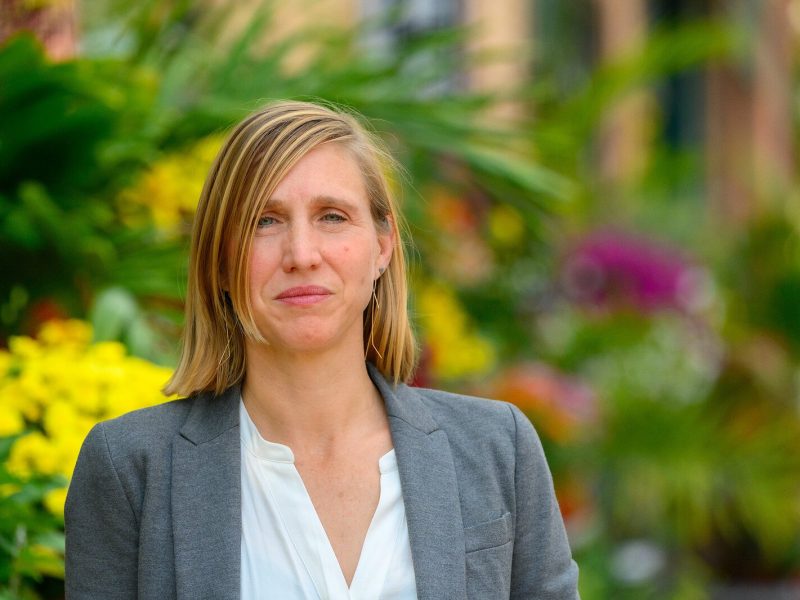
Michigan organizations that provide health care and other services for older adults are working to reduce the impact of scams through education and legislative help.

A group of Michigan political, health care, community, and foundation leaders are working together on a project that aims to coordinate sustained investments in Michiganders' health.

All foster children experience some form of trauma, but Michigan's child and family service agencies are working to provide the mental health services foster kids desperately need.
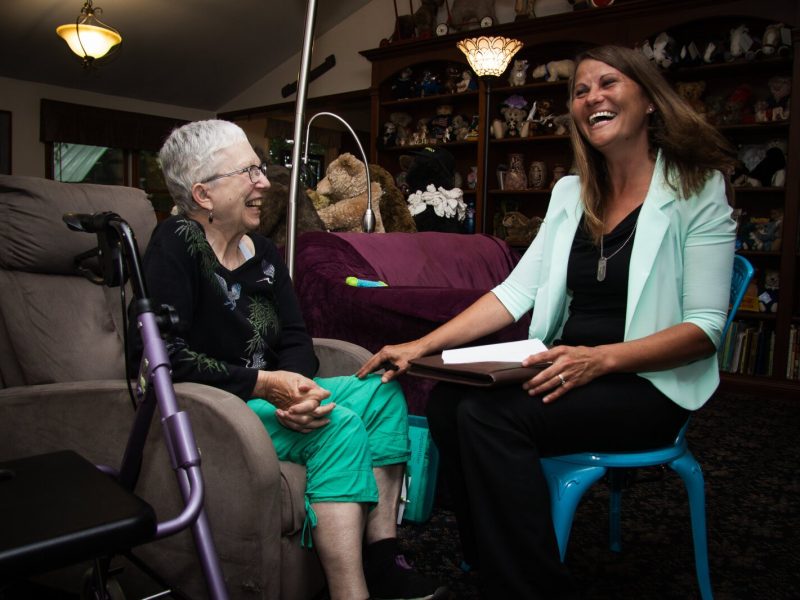
Multiple organizations in the Muskegon area are bringing trained counselors to the homes of older adults who face mobility or transportation challenges.
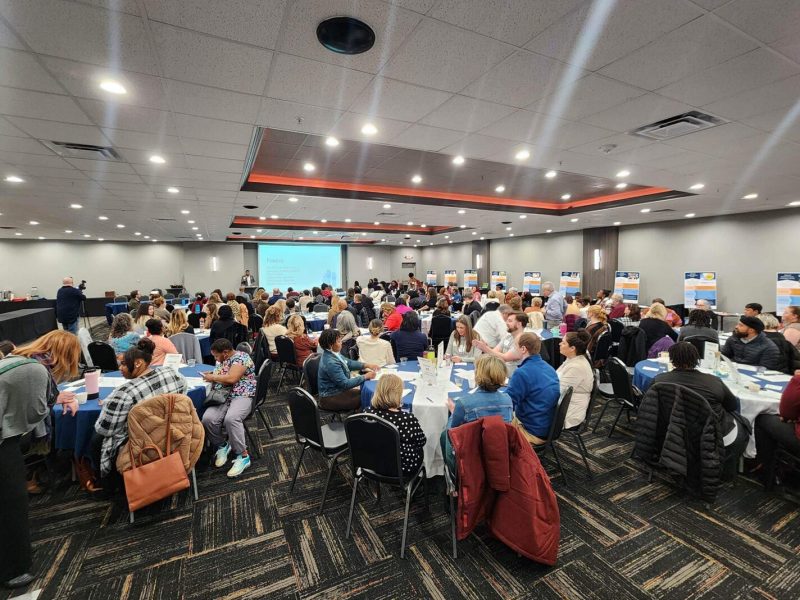
An annual collaboration among a slew of cross-sector organizations and community members has created 15 teams working to develop solutions to community challenges in Muskegon County.
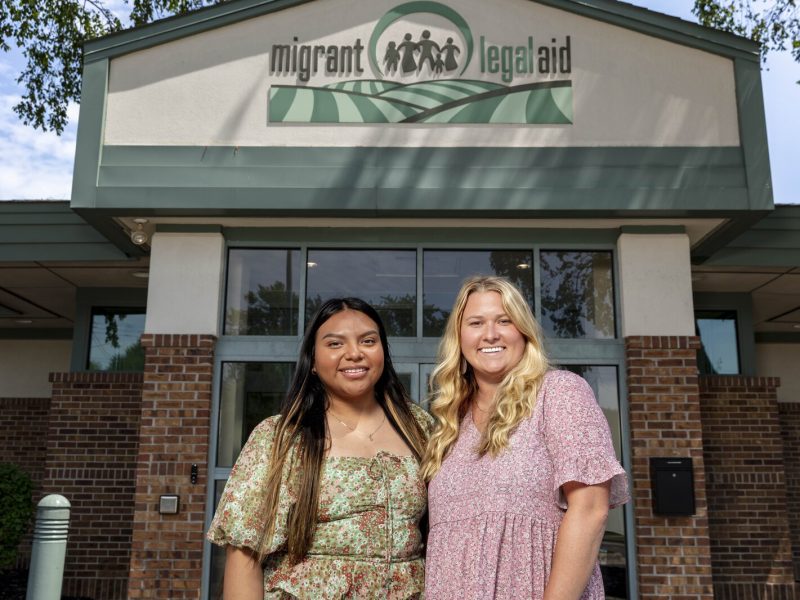
Many of Michigan’s migrant farm workers risk injuries, illness, and chronic disease, which often go untreated. State and nonprofit programs are available to help.
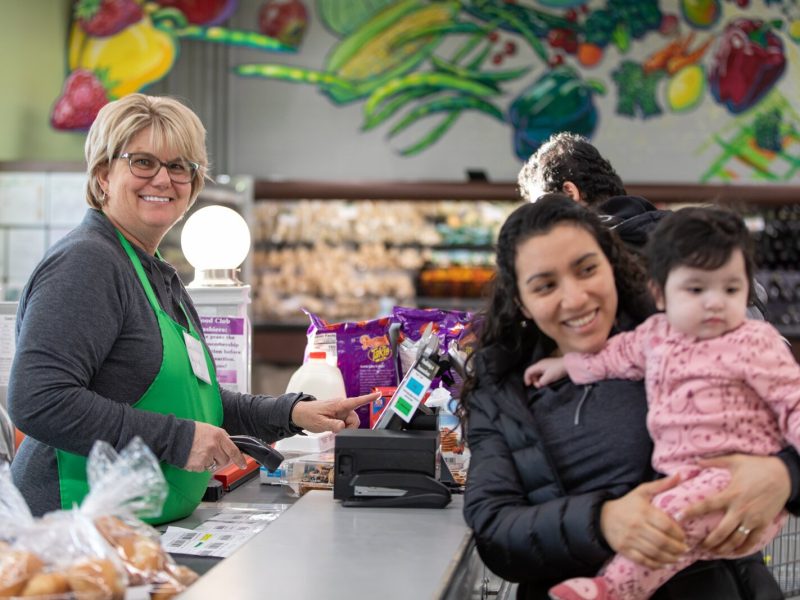
Food clubs are small nonprofit grocery stores that make healthy food available to low-income families at a truly affordable price.
Our Partners