Mental health takes heavy toll on Michigan’s LGBTQ youth
Mental health is a major challenge for Michigan youth in general, but the problem is even greater for the state's LGBTQ youth.

State of Health is a series about how Michigan communities are rising to address health challenges. Previous coverage examined health disparities and how they affect Michigan's children and seniors and integrated care and its potential to improve Michiganders' health. This series is made possible with funding from the Michigan Health Endowment Fund.
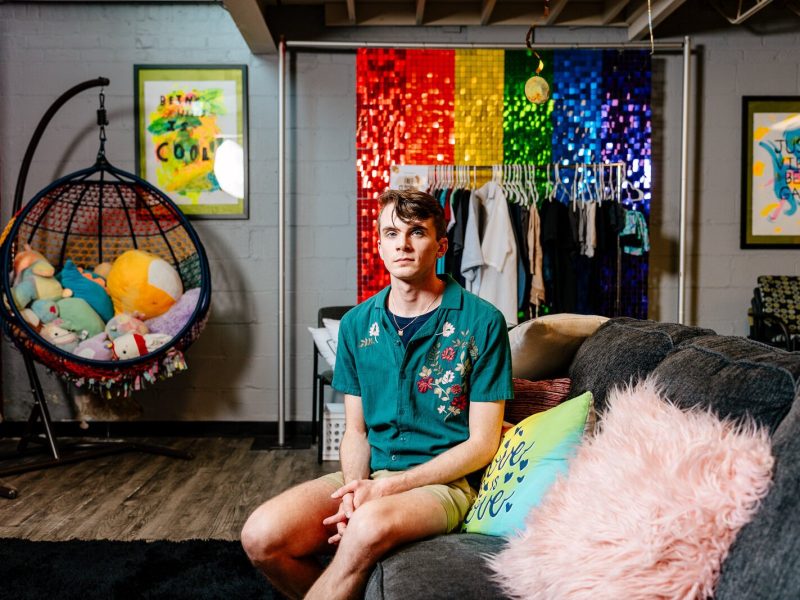
Mental health is a major challenge for Michigan youth in general, but the problem is even greater for the state's LGBTQ youth.
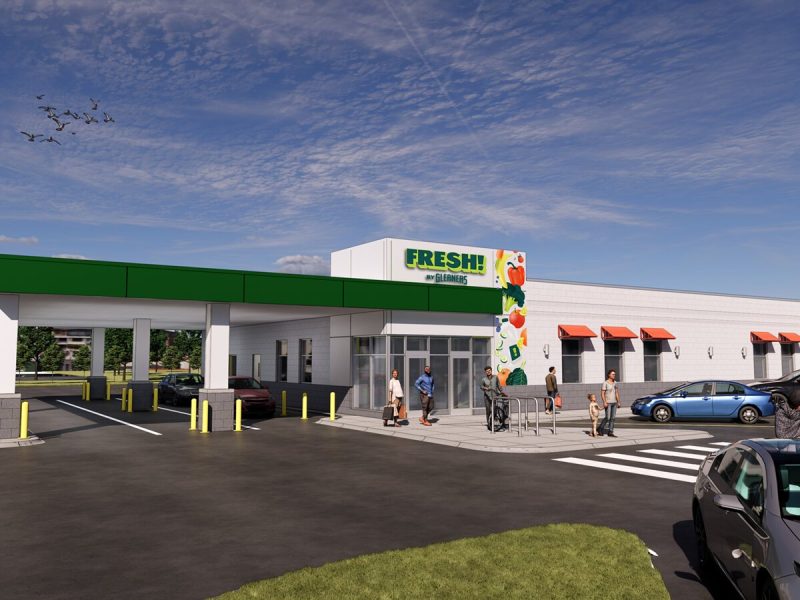
Gleaners Community Food Bank has broken ground on Fresh! by Gleaners, an innovative concept that will make free, fresh food available to people living in Wayne and Macomb counties.
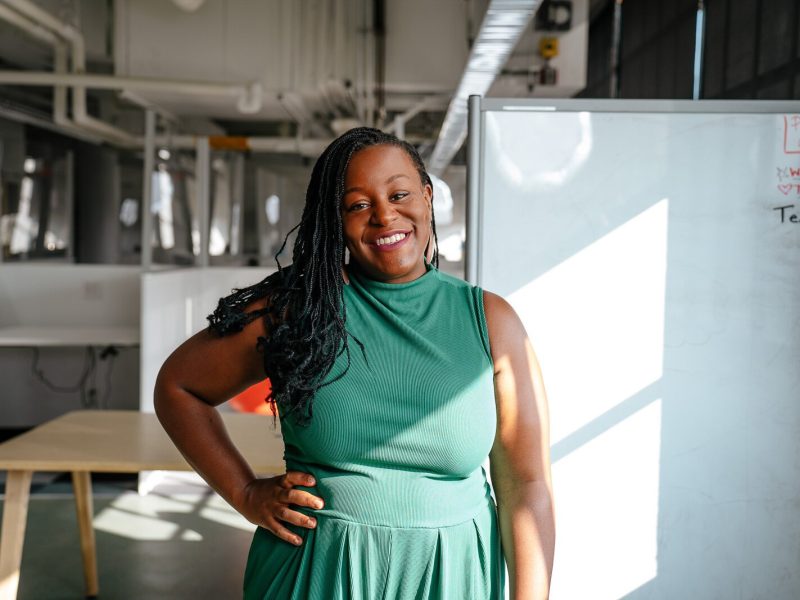
For more than a decade, Michigan advocacy groups and some legislators have been working to expand paid leave from work for Michiganders – and this year, their efforts are paying off in two major ways.
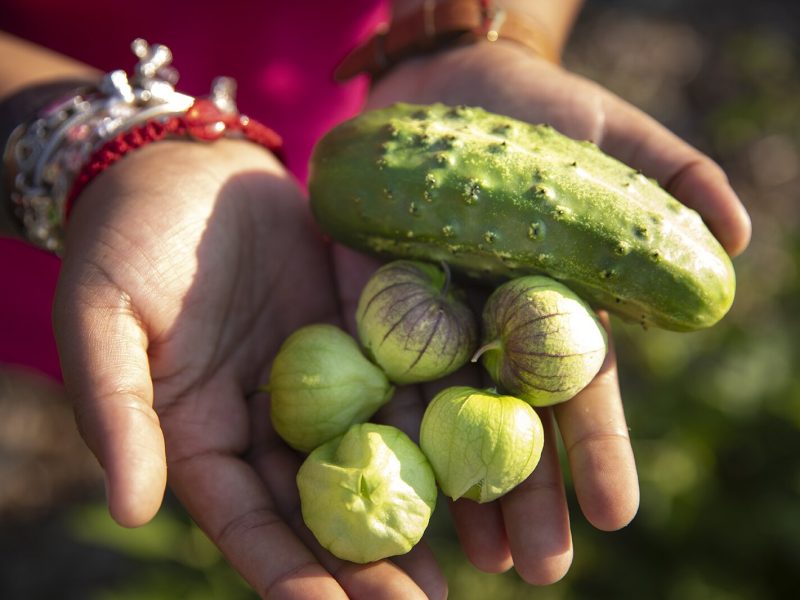
At two Youth Mentor Gardens, participating teens and their families work together to plant, weed, water, mulch, and harvest produce.
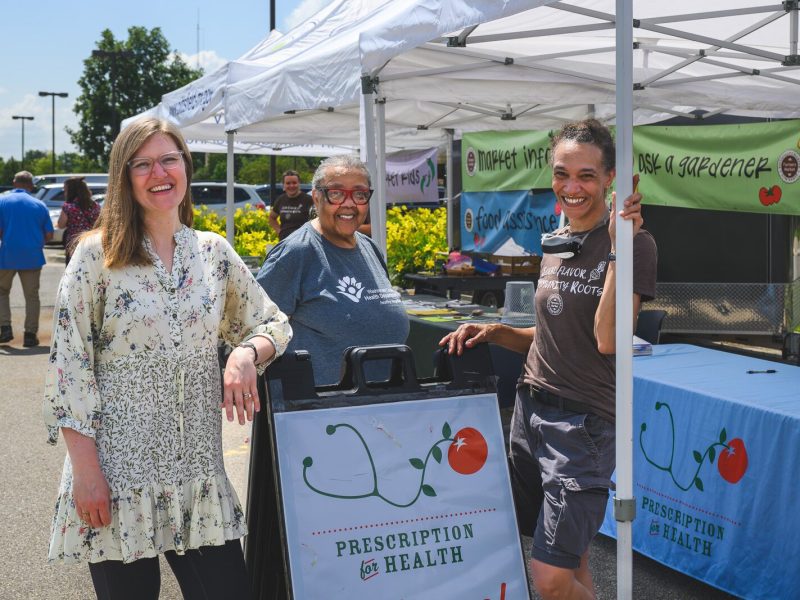
Efforts are underway to better coordinate efforts between produce prescription programs and to create more standardized funding mechanisms for them.
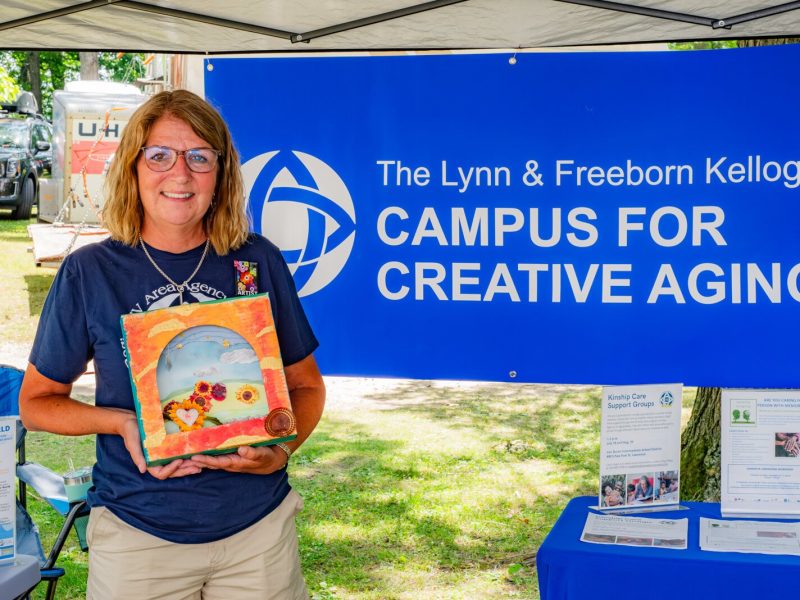
Since 2017, the Campus for Creative Aging has been offering a variety of innovative opportunities for older adults in Berrien, Van Buren, and Cass counties – and helping younger residents understand and respect their older neighbors.
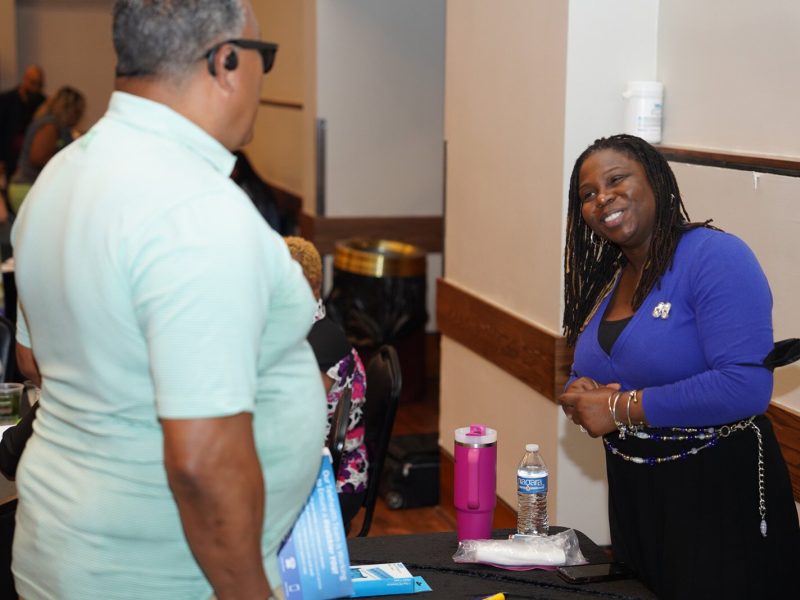
A broad coalition of Michigan organizations has come together to address health disparities that affect Michigan's rapidly growing population of older adults.
Five Michigan organizations will receive federal support of about $1 million each to improve maternal and infant health in the state.
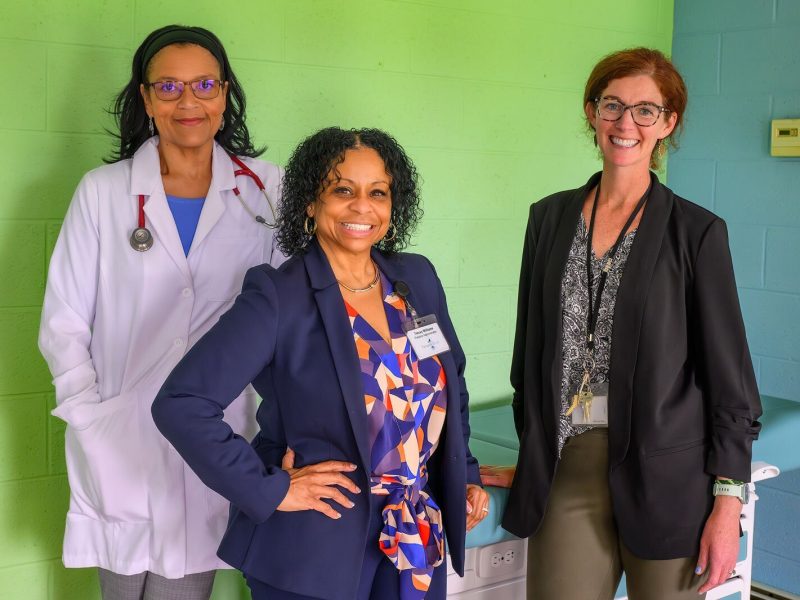
Several Michigan organizations are innovating ways to increase health care access for the state’s most vulnerable residents in their own communities.
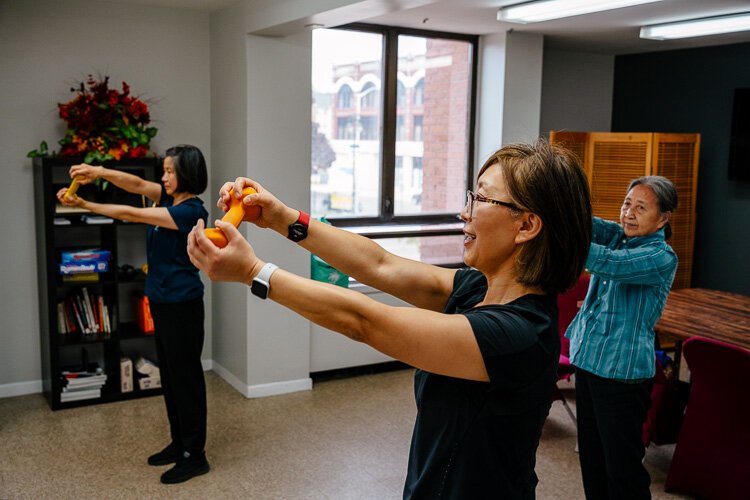
The Metro Detroit-based Association of Chinese Americans is developing a training program to address the shortage of direct care workers equipped to serve older Chinese Americans in Southeast Michigan.
Our Partners