Integrating behavioral health into pediatric care holds longterm benefits
Offering behavioral health care at the pediatrician’s office can not only cut costs but also create healthier, happier communities in the future.

State of Health is a series about how Michigan communities are rising to address health challenges. Previous coverage examined health disparities and how they affect Michigan's children and seniors and integrated care and its potential to improve Michiganders' health. This series is made possible with funding from the Michigan Health Endowment Fund.
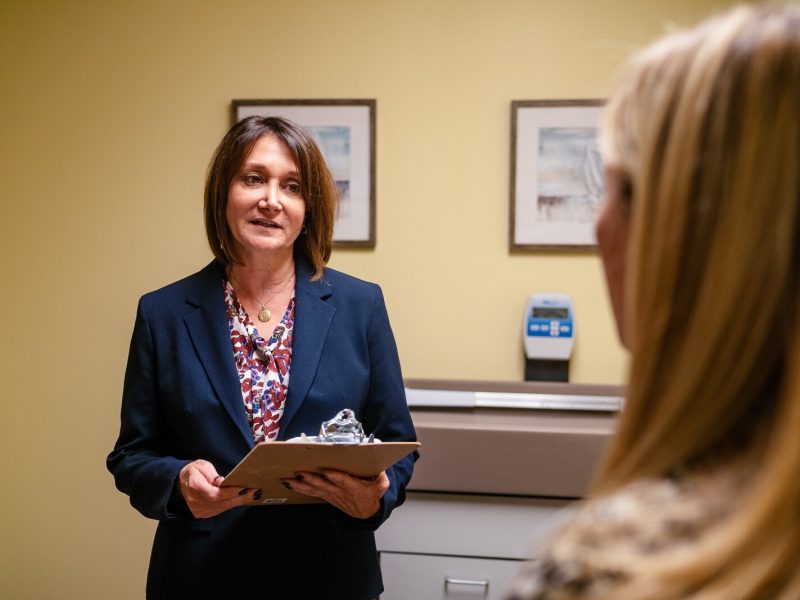
Offering behavioral health care at the pediatrician’s office can not only cut costs but also create healthier, happier communities in the future.
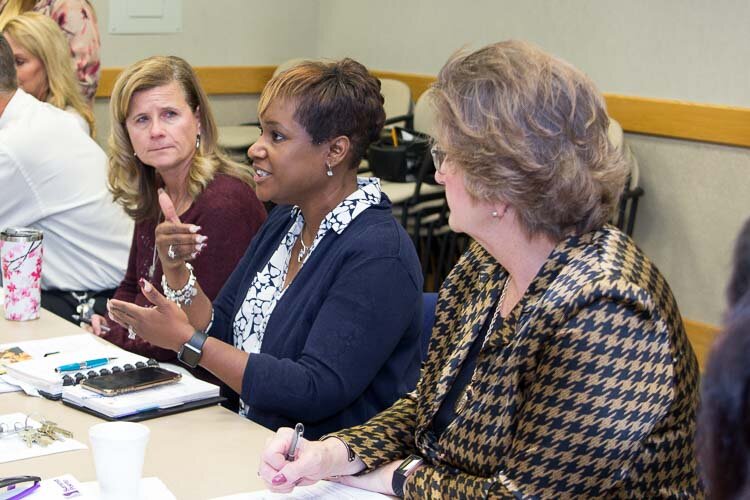
Numerous Battle Creek-area organizations convene monthly with the shared goal of helping improve kids’ academic performance and their physical and mental health.
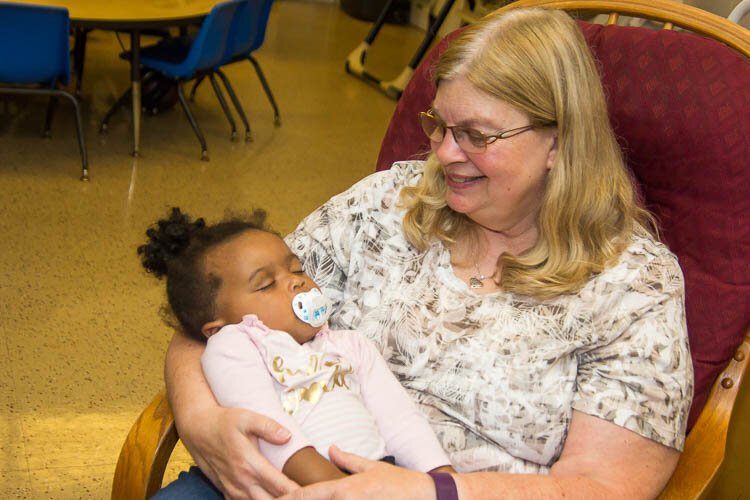
Child care costs add yet another item to the list of major hardships for Michigan’s vulnerable families. But expansion and integration of childcare services – and state policy changes – could make a difference.
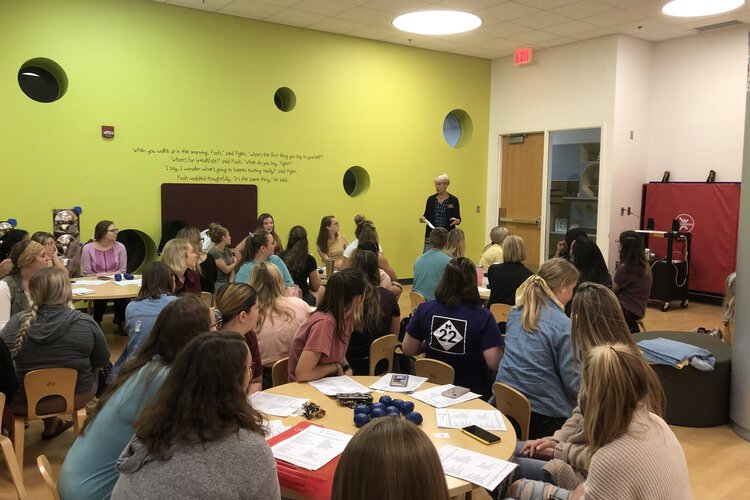
Traumatic events are sadly common in childhood, but the practice of trauma-informed education is helping to better understand and support the children who experience them.
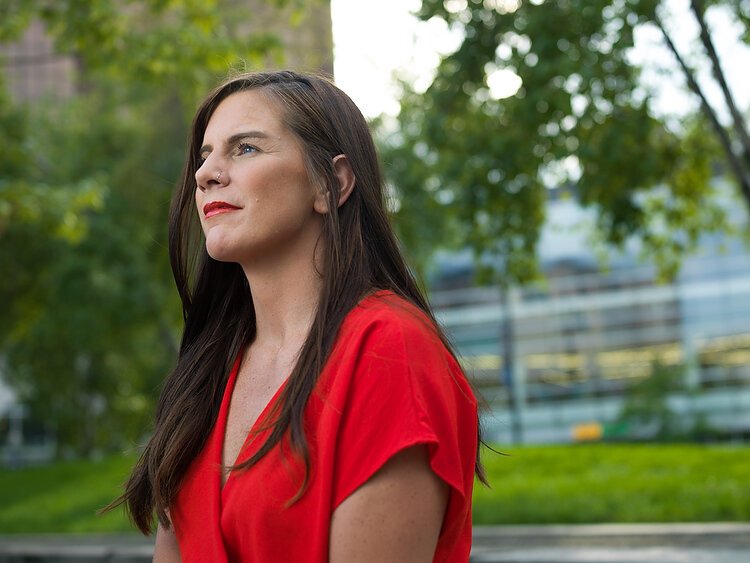
20% to 25% of women are at risk for first-time onset of mental illness after they give birth. But proactive interventions, support systems for moms who suffer, and more open-minded discourse can make a difference.
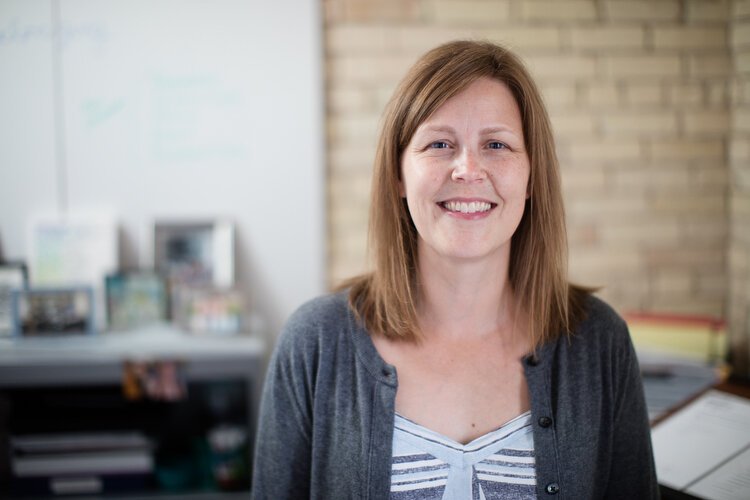
A wide range of perinatal home visiting programs bring professional support to Michigan's new moms and moms-to-be, helping to fill the void of community support and develop vital skills.
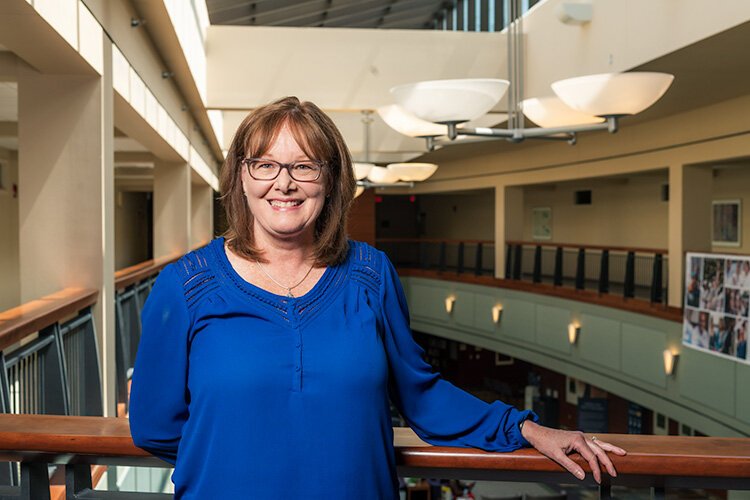
Most people don’t really think about infant mental health until they notice its absence – but the difference can be stark to the observer and life-changing for the infant.
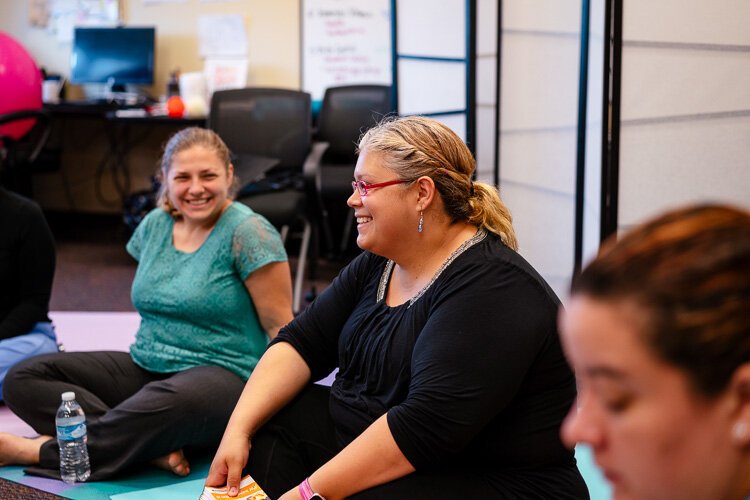
Centering pregnancy groups offer moms traditional prenatal medical care, but also a social atmosphere that creates strong bonds and has demonstrated positive effects on moms' and babies' health.
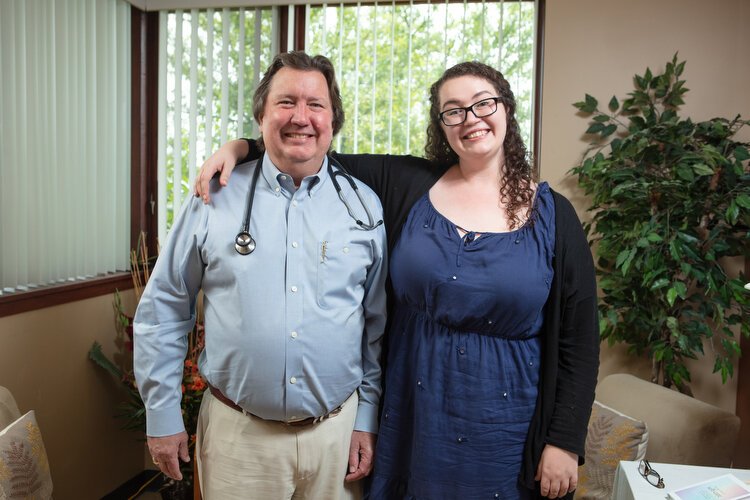
Primary and behavioral health often feel like different worlds, but the idea of combining the two disciplines has become a commonly discussed solution that can have broad impacts.
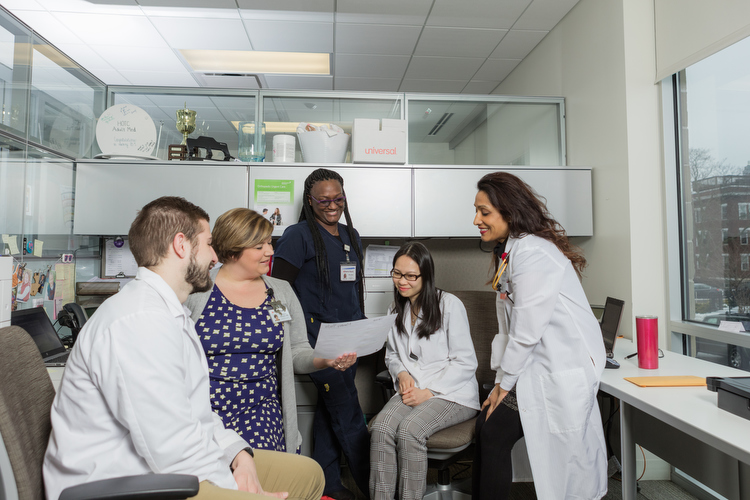
Integrated care involves not just physical co-location of services that are often isolated from one another, but also broader community-based solutions that promote good health.
Our Partners