HISTORY LESSON: Fire, blood and baseball on the hottest, most chaotic day in Detroit history
July 24, 1934, was a day filled with extremes; lumber fires, traffic deaths, police crackdowns, baseball hysteria, and City Hall hijinks.
This Street View series on Detroit's corridors is made possible with support from the Ford Foundation. Model D highlights equitable development work and economic growth led by Detroit-based residents, grassroots organizations, and community development groups.
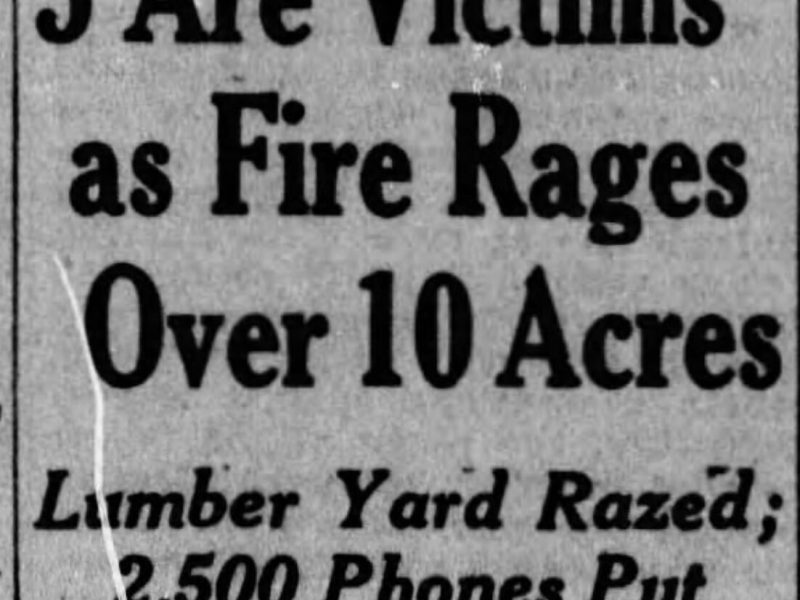
July 24, 1934, was a day filled with extremes; lumber fires, traffic deaths, police crackdowns, baseball hysteria, and City Hall hijinks.

It's hardly an argument for a more rural city, yet vacancy remains high and much of the east side has seen a decades-long clearing out.
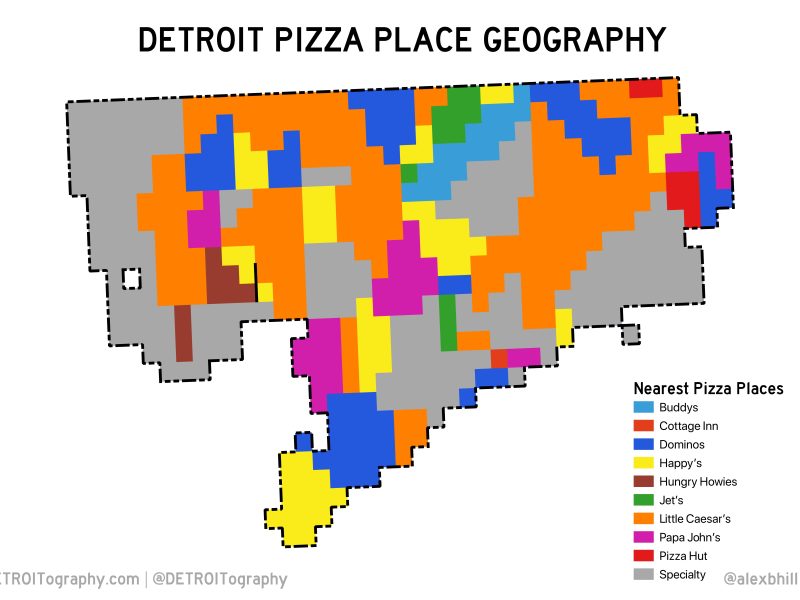
You might not find your favorite national chain everywhere, but there’s always a unique pizza option close by.

“We are excited to see how vendors and partners can leverage AI and other innovative technologies to contribute to the city's delivery of services while maintaining our standard for operational excellence,” says Sandra Yu Stahl, Detroit's Chief Procurement Officer.
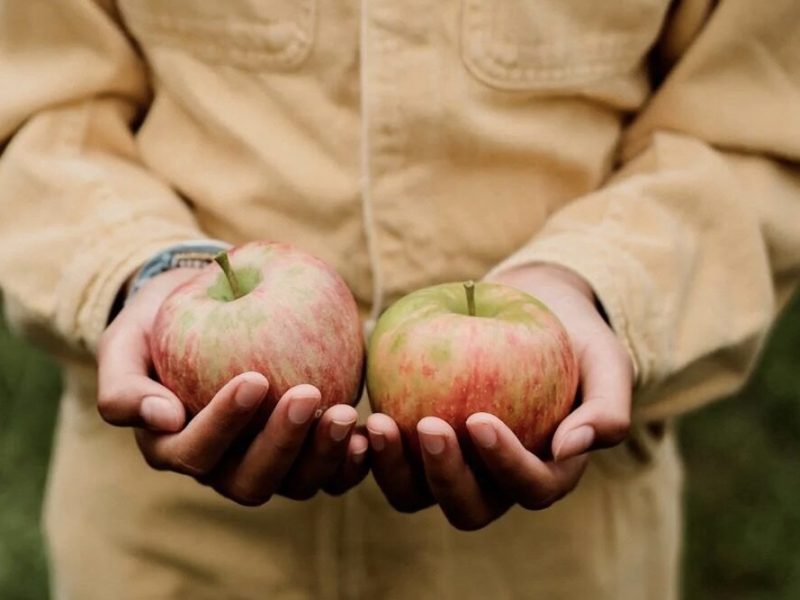
“Creating greenspaces for community gathering and food production in our urban areas means more resilient neighborhoods that are able to provide for themselves and their residents,” said MEDC Regional Prosperity Managing Director Paula Holtz.
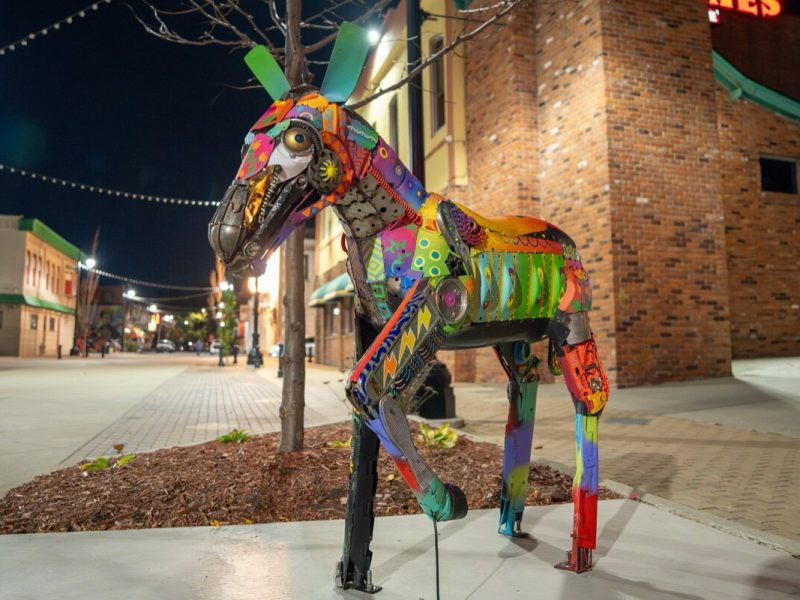
"These Alebrijes are made from different car parts tying up our relationship with Detroit and our long-time contributions as a Latino community to the Motor City,” says artist Elton Monroy Durán.
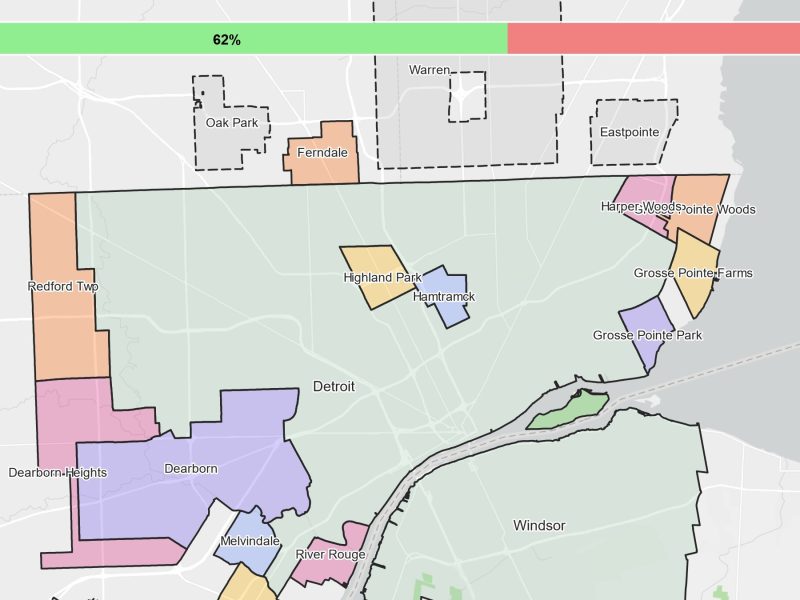
Today we have a mixed region of large and small municipalities, some successful – some struggling, others very diverse and some not so diverse, but we are all neighbors.
Our Partners