Public Square, A CNU Journal: The case for AfroUrbanism
If this is truly a moment where Black lives matter, then we also must finally recognize that Black voices and Black ideas matter especially in cases where the future of Black communities is being determined, says Lauren A. Hood.
This piece was originally published on Public Square: A CNU Journal.
AfroUrbanism centers the lived experience of black people in the design and creation of black communities. It puts black culture at the fore, taking into account the past harms, current challenges, and future aspirations of black city dwellers. AfroUrbanism goes beyond Black folks practicing traditional urbanism, it explicitly requires us to employ our cultural fluency; that previously undervalued body of knowledge that planners of color have always brought to the table that, in a moment like this, can finally be recognized and prioritized.
Current world wide trends recognizing the Black Lives Matter movement have encouraged reflection and interrogation of practices across all industries and sectors. In a post-George-Floyd world, practitioners in every discipline are calling for more expressed demonstrations of racial equity, anti-racism and, in more learned circles, liberation. Most of the public discourse around city change addresses the reactions of communities of color to being physically and culturally displaced and excluded. The dynamics in the field are majority White practitioners working in communities that are predominantly Black. Historically, we’ve accepted this as an inexorable condition.
If this is truly a moment where Black lives matter, then we also must finally recognize that Black voices and Black ideas matter especially in cases where the future of Black communities is being determined. Community engagement is usually the role I’m invited to fill when hired for a specific development project or master plan process. However, I actually end up as the cultural context expert, racial equity consultant, holder of safe space, facilitator of the difficult conversations and the moral compass for the team. I’ve struggled to find an all-encompassing term to describe the range of skill sets and knowledge that myself and other Black folks working in these disciplines bring to the practice. It’s beyond our academy learning. There are things that we inherently understand about these communities and their people because we share a common culture, we are of these places, we are these people.
To read the rest of the article, click here.
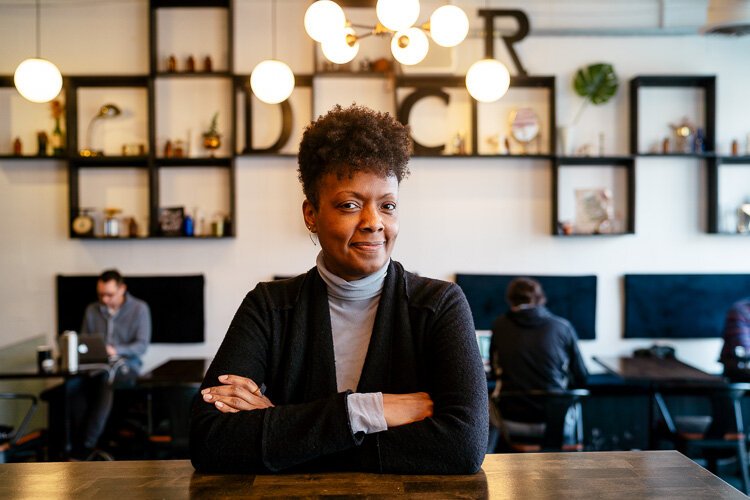
Lauren A. Hood is a native Detroiter and AfroUrbanist working at the intersection of Black aspiration and city change. Applying a reparations lens to the work, Lauren employs the strategies of storytelling, visioning, and relationship building to addressing a community’s past harms, present needs and future hopes and dreams. Credentialed and experienced as both a community developer and equity facilitator, she holds space for otherwise difficult conversations that allow practitioners and citizen stakeholders to understand and value each others contributions while working toward transformational outcomes.
Related Articles
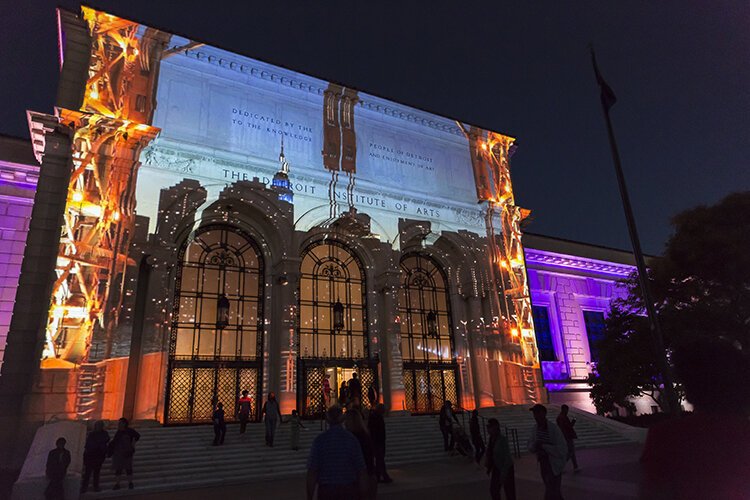
Dlectricity to return this fall to light up Cultural Center and Beacon Park
Inspired by international art and light festivals, the outdoor festival will serve as an opportunity to test digital and mobile strategies and showcase the Cultural Center's new Wi-Fi system.

Local photographer Brian Day captures Detroit for Apple project
Detroit photographer Brian Day is among 30-plus Black photographers nationwide commissioned by Apple to capture and share their hometowns with the world through their unique lens, all shot on iPhone 12 Pro.
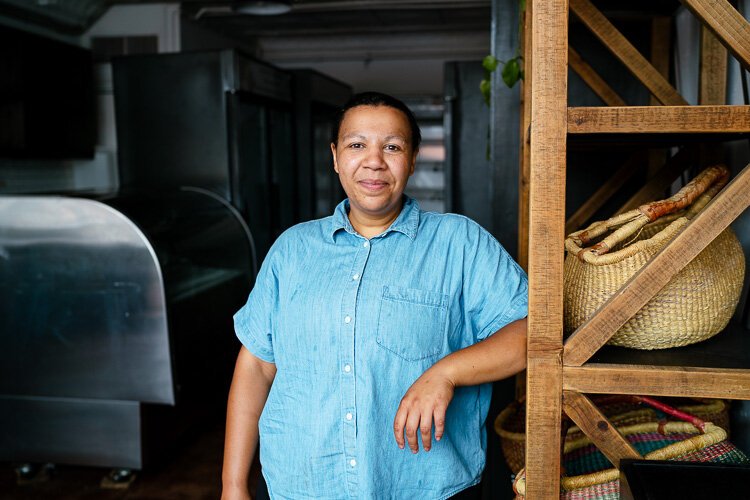
Detroit chef Kiki Louya to compete for title of ‘Top Chef’
Kiki Louya, a native Detroiter who co-founded Folk and The Farmer's Hand in Corktown and is the economic development manager at Grandmont Rosedale Development Corporation, will represent Detroit in the upcoming season of Bravo TV's popular cooking competition "Top Chef," the chef, writer, food activist and restaurant consultant announced on her social media pages.