Historic Elmwood Cemetery designated Detroit’s first arboretum
There are over 1,400 trees on Elmwood's grounds, representing 91 species, including black locusts, hawthorn, beech, willow, ash, American plum, and domestic pear.
Detroit has long espoused the idea that its urban core could be designed in such a way as to allow the integration of affluent, working class, and low income people within a few blocks of each other. Immediately east of Lafayette Park reside people whose household incomes are lower than Lafayette Park, but the 1960s modern feel of the area offers a seamless flow to the historic Villages. Here, Martin Luther King, Jr., Elmwood, and other residential communities offer quality urban living with the same proximity to Eastern Market, downtown, and the riverfront as those in Lafayette Park. Mini-street malls support the needs of residents, from video rentals and fast food outlets to Walgreen’s and CVS drug stores. Close to East Jefferson’s retail strip, yet a few streets removed from the hustle bustle. Looking beyond this corner of the Near Eastside, north to 1-94 and east to McClellan, you have an area that is being redefined and redeveloped by grassroots organization trying to preserve what hasn’t been lost and build a new community in its place. To understand the Near Eastside, however, one needs to examine its local assets: schools, churches, neighborhoods, and parks.
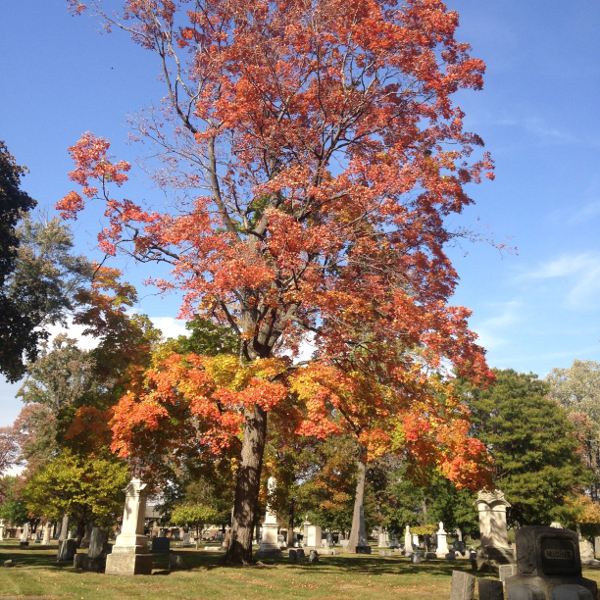
There are over 1,400 trees on Elmwood's grounds, representing 91 species, including black locusts, hawthorn, beech, willow, ash, American plum, and domestic pear.
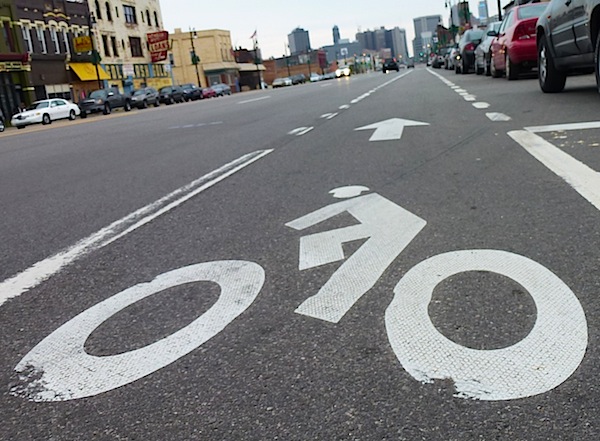
A new report released by the Detroit Greenways Coalition highlights five bike and trail projects that the bike and pedestrian advocacy group is most looking forward to in 2016.

Seven placemaking projects, one for each city council district, are being given a boost by Community Development Advocates of Detroit.
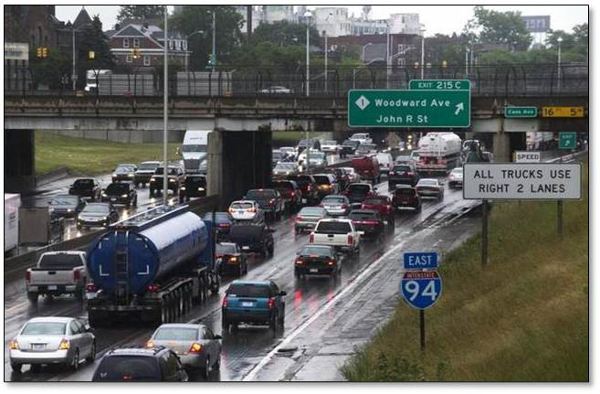
Neighborhood residents and various organizations have been vocal in their concerns that efforts to widen I-94 will result in the displacement of residents and businesses. Officials insist that their goal is to minimize any displacement and keep as much of the construction within the Interstate's existing footprint as possible.
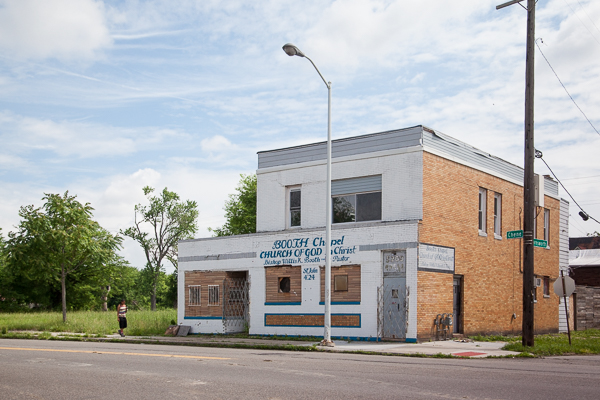
For some residents of the near east side neighborhood of Poletown, the image of revitalization looks different than it does in other parts of the city. Instead of discussing how to redevelop land, they are figuring out how to allow it to return to its original prairie state, where its occupants and nature coexist. That's what drew Vanessa Cronin to 5200 Chene St., a property she is transforming into Chene Street Grocers, a market that will sell local produce and dry goods.
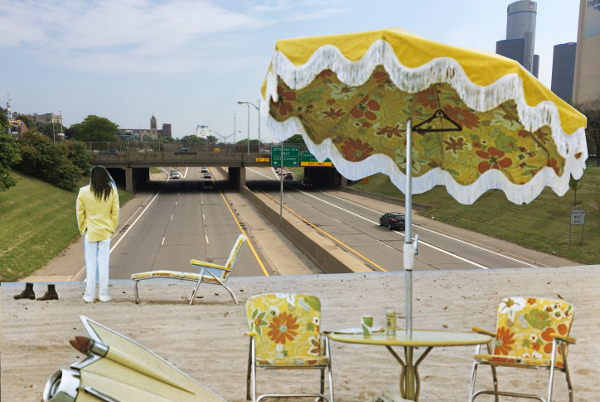
Can Detroiters imagine more creative uses for I-375 than those currently proposed? Model D begins a series of three features that dare to dream big about the transformation of America's least useful freeway.
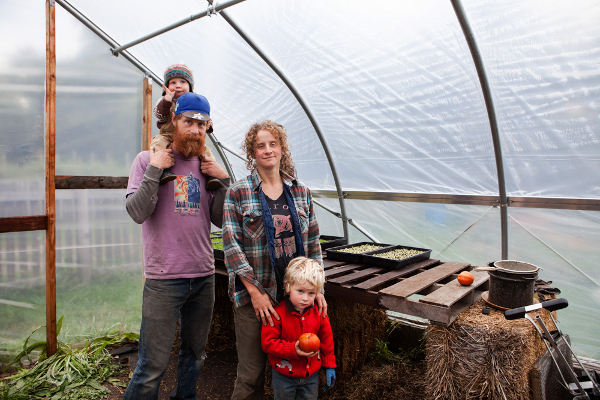
Frigid temperatures and snow don't mean you have to rule out eating fresh, regionally-sourced vegetables. Winter food production is alive and thriving in and around Michigan thanks to greenhouse growing and other season-extending technologies.
Our Partners