Organizations distributed $63 million for Detroit home repairs in 2024, new study says
Thirty community organizations distributed funds for home repairs across the city last year, helping Detroit homeowners maintain safe, healthy homes. Results of a new study will help organizations articulate their impact to funders, potentially leading to greater support for home repair programs.

Last year, 2,628 Detroit homes were made safer and healthier through a collective $63 million in home repair funding, according to a new report from Data Driven Detroit (D3) and Detroit Citywide Home Repair Task Force (CHRTF).
Of the $63 million, about $50 million was confirmed funding, the highest level of accuracy. Nearly $13 million is estimated funding, which describes data that is highly reliable, but full review of the data is not possible due to a lack of address-level data.
The census showed that 3,058 repair interventions took place across the city in 2024, with some homes receiving multiple repairs. Repairs were funded using public or philanthropic dollars, typically funneled through home repair programs run by community development organizations.
Roof repairs were the most common, followed by plumbing and HVAC.
Tracking where the dollars came from
Funding for repairs came from a mix of federal, state, and local government funding; utilities funding; and philanthropy. Federal sources were the largest portion of funding, at nearly 68% of total funding, the report says.
American Rescue Plan Act (ARPA) dollars – a one-time infusion of cash due to the COVID-19 pandemic – represented 43.5% of federal funding sources. These dollars are slated to expire in 2026, presenting both a challenge and an opportunity to find other funding sources in the future to support home repairs, the census says.
Heather Zygmontowicz, senior housing advisor for the City of Detroit, says ARPA funds accounted for about $22 million of total funding, making 2024 a year with some of the highest dollar amounts spent on home repairs.
Interventions took place in 83% of Detroit neighborhoods, which contain 92% of the city’s population. Council districts four and seven – the eastern and western edges of the city, respectively – saw the highest number of interventions, according to the report.
Zygmontowicz says that the highest number of interventions tend to be where community organizations are most active.
Seeking a better understanding of Detroiters’ home repair needs
For decades, a patchwork of community organizations worked across Detroit to revitalize their respective communities, assist with home repairs, tackle blighted properties, and provide other services like youth enrichment activities, educational and work opportunities, and more.
While organizations were doing impactful work in their individual communities, no one had aggregated their cumulative impact to get a citywide picture.
With funding from the Rocket Community Fund and the Gilbert Family Foundation, the city finally had the opportunity to conduct a citywide home repair review starting in fall 2023.
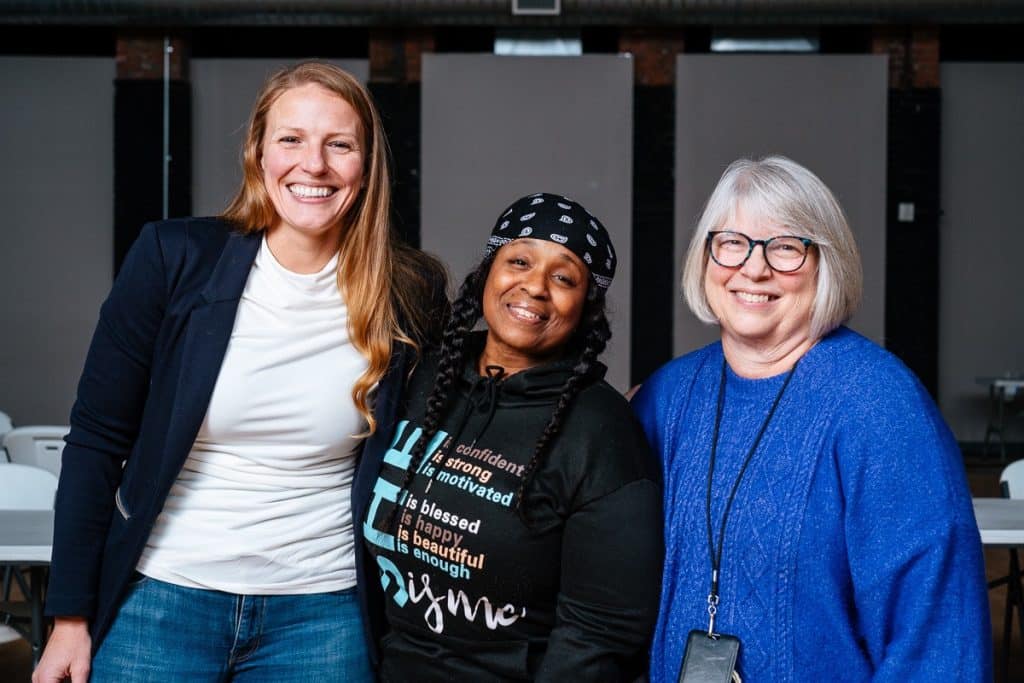
The task force and its census have the potential to increase cooperation between the organizations, leading to better coordination of services. It could also reduce inefficiencies and overlap between organizations, build capacity to “stack” or combine programs, and increase quality of services for residents, Zygmontowicz and Gwen Gell, senior program manager of housing stability at Rocket, say.
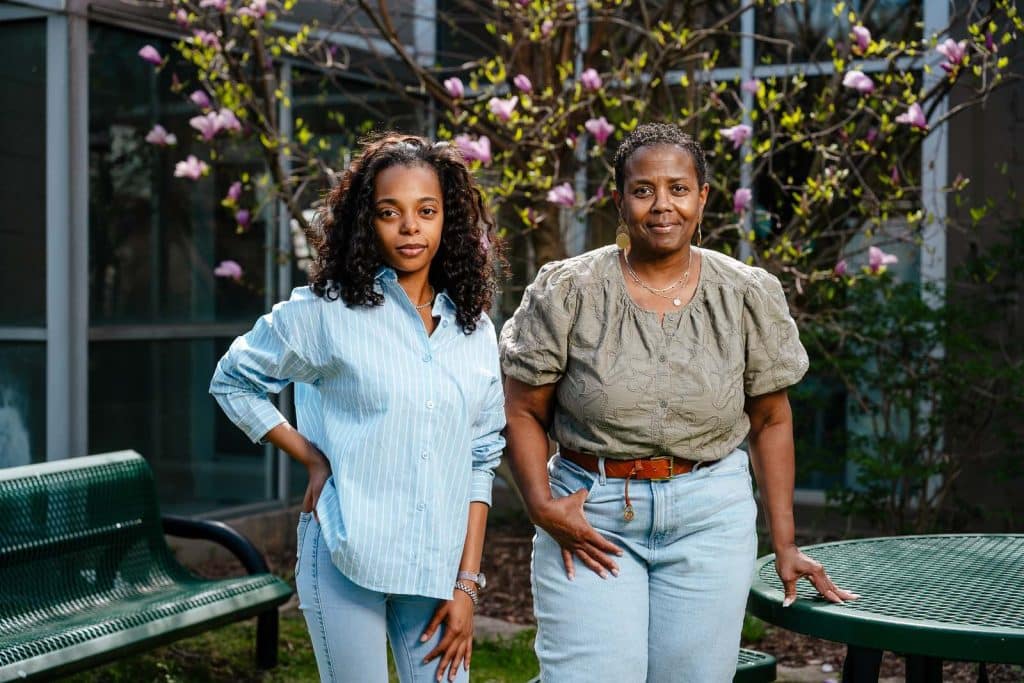
Gell says that the Rocket Community Fund was eager to supply funding for the project to promote housing stability in the city. When canvassing for a neighbor-to-neighbor campaign focused largely on foreclosure prevention, Rocket’s canvassers found funding for home repairs was the second-most important issue Detroit homeowners face, after property tax foreclosure.
“That’s one of the reasons why the task force is so important – to start to understand what we are actually doing to meet the need [for home repairs],” Gell says. “We have to know where we’re starting from in order to know where we’re going in addressing the housing crisis.”
Detroit Citywide Home Repair Task Force staff met with the partner community organizations both collectively and individually to talk through any concerns with the data sharing project and to ensure best practices for data collection methods and benchmarks. Each organization was then invited to submit data through a specially designed Detroit Citywide Home Repair Task Force website in three reporting periods in 2024 and early 2025.
The task force and D3 plan to continue the project with additional rounds of data collection completed in 2025 and into early 2026. This will allow for tracking home repair efforts over time.
The task force and D3 will create data profiles that community partners can use to communicate the impact of their work back to their funders and partners. The organizations plan to strengthen the existing dataset into a stronger resource for the community and citywide home repair advocates.
Using the data in Cody Rouge
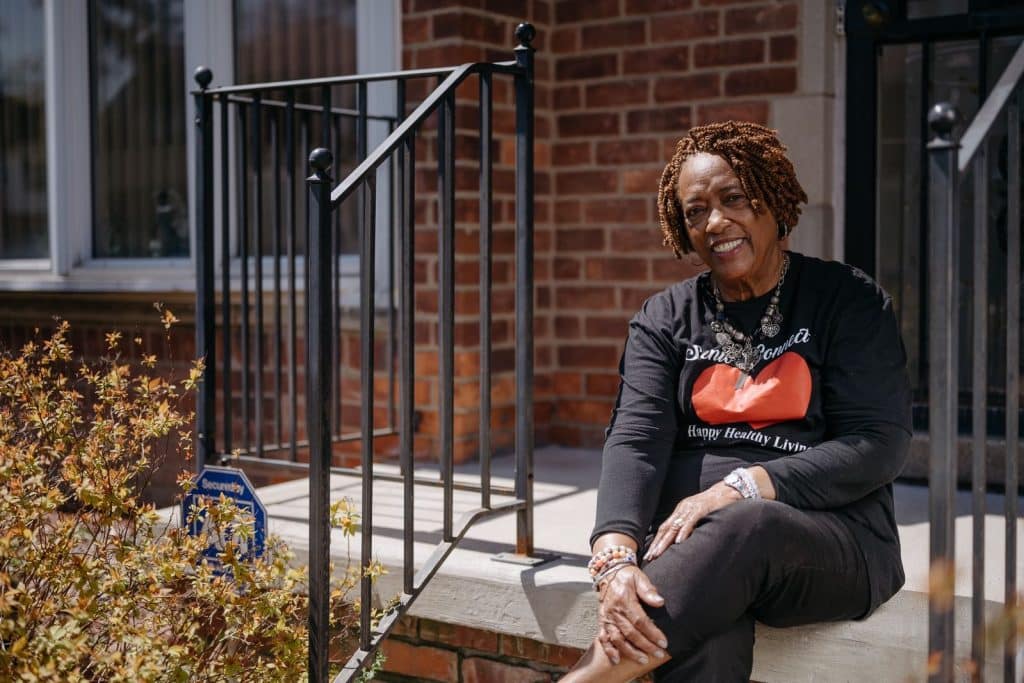
Cody Rouge Community Action Alliance was one of the community development organizations that participated in the study. The organization conducts free healthy home assessments for homeowners in the Cody Rouge neighborhood. Using the results from that assessment, the nonprofit then identifies the greatest areas of need and contracts with local home repair companies to provide repairs at no cost to the owners.
Founder and CEO Kenyetta Campbell says involvement with the task force helped improve the organization’s data collection, knowledge, and processes.

By learning where other organizations are providing services, the data streamlines Cody Rouge’s outreach and helps them reach more people, Campbell says. The nonprofit can identify where services are lacking and avoid providing duplicate services that overlap with other organizations.
Last year, Cody Rouge provided home repairs to more than 100 homes. So far this year, the nonprofit has assisted with repairs in 65 homes and has funding to impact about 120 homes next year, Campbell says.
Providing leverage for future funding
On the macro and micro level, this dataset allows the task force and individual community organizations to approach funders with a clear picture of home repair costs and impact, which could provide greater leverage when seeking funds, those involved in the study say.
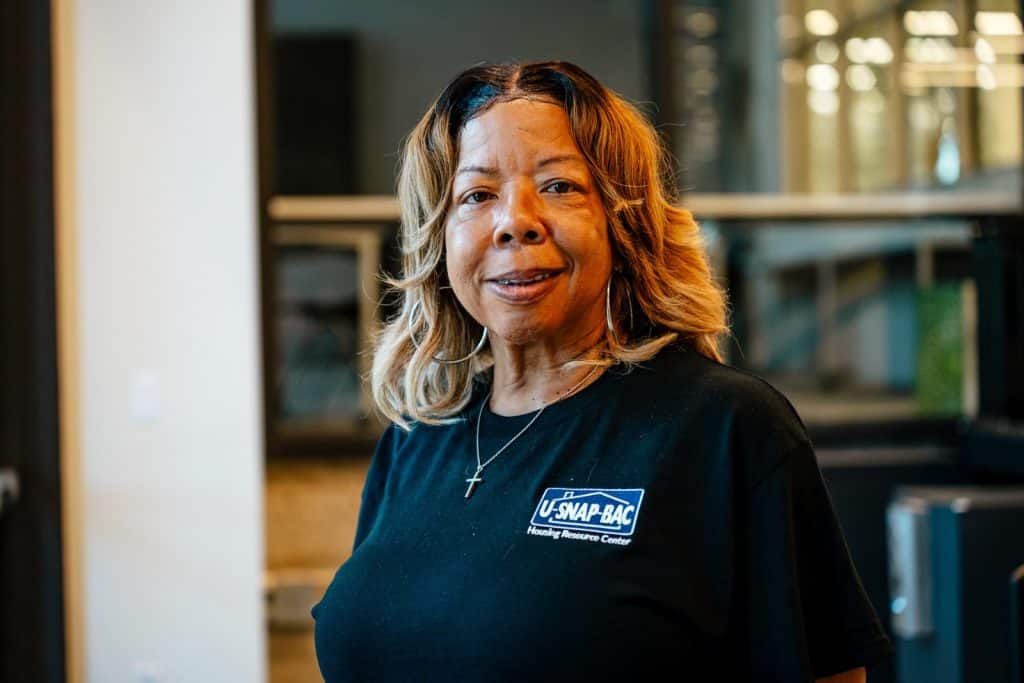
Zygmontowicz asks: “Can we show how big our impact is collectively so that we can go to other philanthropic organizations and start making the case for a much larger gift to the entire ecosystem?” She says that’s a long-term goal that will require coordination and collaboration to make such requests.
Improving homes improves the economic vibrancy of the neighborhood. Safe, well-maintained homes attract homeowners, who attract businesses and improve the overall neighborhood, community advocates say.
“It helps curb appeal in the neighborhood,” Campbell says. “So now that we have folks who are able to upgrade their roofs, upgrade their porches, upgrade their driveway, now the property value increases in the neighborhood, which is making it a place that people want to move to.”
Home repair programs make it easier for residents to complete home repairs they might not otherwise have been able to afford, Campbell says.
Many of these home repairs – a leaky roof, inadequate heat or air conditioning – can result in risks to residents’ well-being when not addressed.
“The most humane and basic part of this is we all need a safe and healthy place to stay,” Zygmontowicz says. “We want our Detroiters to be able to have a healthy and safe home in Detroit.”
Resilient Neighborhoods is a reporting and engagement series examining how Detroit residents and community development organizations work together to strengthen local neighborhoods. It’s made possible with funding from The Kresge Foundation.
Related Articles
A vision for mushrooms as part of Detroiters’ everyday wellness routine
A Detroit mushroom farm and cafe owner bet on his city, and the response is sprouting business growth and expansion.
Detroit has community buy-in for Solar Neighborhoods Initiative
With 139 square miles of land – some blighted or unused and ripe for repurposing – Detroit is well-positioned to develop solar farms to help power city buildings.

Composting project empowers Detroiters to reduce food waste, protect the environment
Food waste makes up one-quarter of landfill waste and contributes to more methane emissions than other landfill materials. The Detroit Community Composting Collective Project is out to curb food waste by training backyard composters.