Engaging the new metropolis
What can Detroit and its neighboring communities do to build cooperative, sustainable relationships that help grow the region? Some answers might be found in a two-part documentary film and a panel made up of state and local public officials.
The American dream once meant leaving urban centers for the promise of a better quality of life in the suburbs. But that dream is now fraught with challenges, particularly in the older, “first ring” communities closest to our cities.
There will be a community dialogue about the film and its relevance to the region at the Emagine Royal Oak Theatre this Thursday, Sept. 15, 6 – 9 p.m. A light dinner precedes the screening. The forum is free and open to the public. Registration is encouraged by going here.
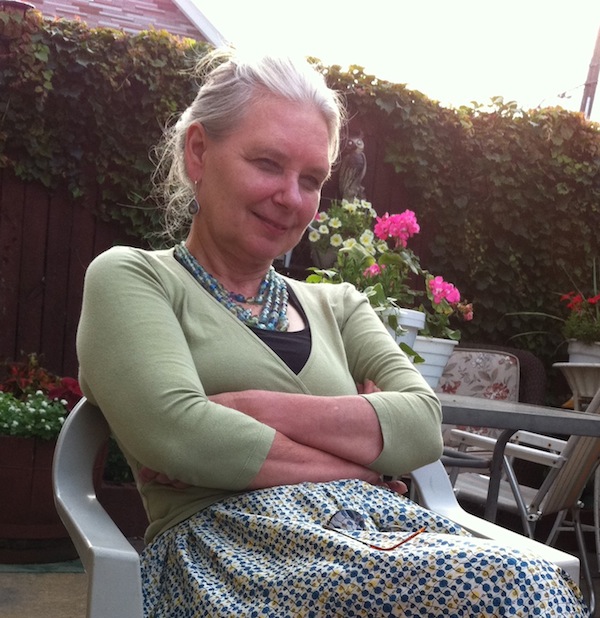
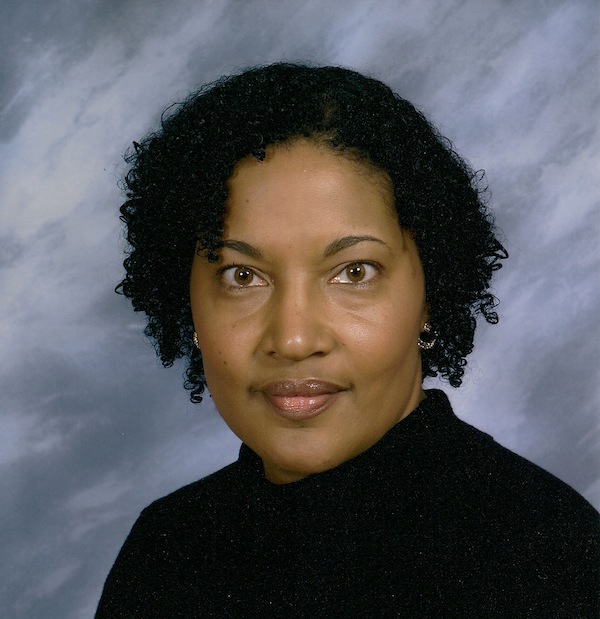
The event moderator, Stephen Henderson, is host of Detroit Public Television’s American Black Journal and an editor for the Detroit Free Press. Joining him will be a panel of state and local public officials including State Rep. Jim Townsend, Hamtramck Mayor Karen Majewski, Ferndale City Councilwoman Melanie Piana, community leader Rev. John Hice, and Dr. John Powell, executive director of the Kirwan Institute for the Study of Race and Ethnicity at Ohio State University.
The forum is co-sponsored by Detroit Public Television, Metropolitan Organizing Strategy Enabling Strength (MOSES), Michigan Suburbs Alliance, Michigan Department of Civil Rights, Michigan Roundtable for Diversity and Inclusion, Model D Media, Working Films, and Torrice Productions.
Award-winning documentary filmmaker Andrea Torrice will present the film and join in the community discussion.
The Sept. 15 discussion at the Emagine Royal Oak Theatre will be filmed and stream live on Detroit Public Television.
This event is part of The New Metropolis civic engagement dialogue series taking place across the country on revitalizing America’s older communities and is made possible through the support of the Ford and Surdna Foundations.
About the film
The New Metropolis documentary is currently airing on public television stations across the country and is the first public examination of issues facing America’s older, “first ring” suburbs. Considered the birthplace of the American Dream, these towns were built during a period of national prosperity and financed with government support after World War II. Now many of these once highly desirable communities face the same challenges urban areas do: growing poverty, white flight, a crumbling infrastructure, abandonment, and the continual lure of newer communities further from the cities. The New Metropolis consists of two half-hour episodes:
Episode 2: The New Neighbors, narrated by Academy Award nominated actress Ruby Dee, tells the inspiring story of two ordinary people, one black and one white, who made racial integration the centerpiece of revitalizing Pennsauken, New Jersey, a suburb of Philadelphia.
Sneak peak
“Part of it is that there’s been a lot of competition between the suburbs. They are competing rather than working together, rather than tax-based sharing, like in the St. Paul-Minneapolis area. Tax-based sharing would have helped the seven counties in Metro Detroit.
“The question is: How do we cooperate? So many people think it’s just EMS and police, but it’s much more than that. Part of it is transportation. Lack of good transportation has been a racial barrier,” she says “Also, the community leaders do have an option to take regionalism more seriously. The current economy is forcing them to. The biggest thing is that we work together to put a regional transportation authority in place.”
Moderator Stephen Henderson of the Detroit Free Press says “diversity, culture, and social issues are right in our face in Detroit and people are not prepared to deal with them. There are racial and cultural barriers between inner ring suburbs, some of which are majority African-American, and outer ring suburbs, which are predominantly white. But nobody wants to talk about it explicitly.
“The greatest opportunity is with transit. It’s actually an issue that we’re about to have a real conversation about because we’re going to build a light rail line that will end at the city line, which makes no sense. Oakland County is discussing if it comes to the city line — think about carrying that line deeper into the suburbs, get people in the inner and outer ring suburbs together with people in the city.”
Mayor Karen Majewski says that Hamtramck has a unique position because it is one of the region’s oldest suburbs, though it is just as often thought of as one of Detroit’s most vibrant neighborhoods.
“Hamtramck has much to add to this dialogue historically and at the present time. It has been a community of immigrants, with diversity of cultures, languages spoken and racial mix since the 1920s. It is geographically situated within the City of Detroit, with access by car or, increasingly, by bicycle to neighborhoods like Midtown, Eastern Market, New Center and downtown,” she says. “By car, because Interstates 75 and 94 intersect near the border of the city, Hamtramck is only minutes from Ferndale, Royal Oak, Dearborn and other suburbs. It is built on a human scale, and was called the most walkable city in Michigan in a recent survey.
“The common perception is that Hamtramck was a “Polish” city that recently became more diverse. We talk about 26 different languages spoken in the public schools. But 90 years ago there were even more languages spoken here. Hamtramck stands out now because it has distinct Bengali, Yemeni, Bosnian, Polish and African-American populations. There is a thriving cultural community made up of artists, musicians and other creative young people who are attracted to this stimulating place. If you do unconventional or weird kinds of creative work, you can fit right in here. People have a do-it-yourself, make-it-happen attitude.”
But she also says: “By no means have we figured it all out. There are challenges every day. We can learn a lot from other communities. In the late 1990s, we were compared to then-developing neighborhoods like Williamsburg (Brooklyn) and Wicker Park (Chicago). Those places evolved differently than Hamtramck has. It has some of the assets of a hip urban American neighborhood, an d some of the same problems, but it also faces challenges faced by older suburbs. Because technically, we are one of the oldest in the metro Detroit area.”
Model D editor Walter Wasacz interviewed Karen Majewski for this story.
Related Articles

Detroit Warms Up in Time for Valentine’s Day Weekend: 10 Things to Do
Whether you’re planning a romantic evening, a friends’ night out, or simply looking to experience something new, this Valentine’s Day weekend offers something for every mood.
Leading with Care; Model D’s Newest Managing Editor, Kyla L. Wright, on legacy, community, and stewarding Detroit’s stories forward
In a city where Black culture and innovation shape every layer of life, representation in media leadership is not only symbolic: it is essential. I am honored to steward this publication forward with that responsibility in mind.
Detroit CDFI Coalition celebrates impact, advocates for funds to further propel growth, prosperity in communities
Detroit CDFI Coalition members continue to collaborate together, and advocate collectively for consistent Michigan CDFI funding to further propel their impactful mission-driven work in communities.