In the news: Citizen meetings, auto show updates, grief for the deported and a poverty solutions department
News of Detroit from Bridge Detroit, Raw Detroit, El Central, and Michigan Chronicle

Detroit council members begin community outreach ahead of budget talks
Detroit City Council members are beginning to convene with the community ahead of the Sheffield administration’s fiscal budget recommendations.
District 4 Council Member Latisha Johnson hosted her first community coffee hour on Jan. 16 to introduce constituents to her team and ask residents to participate in local government.
Budget priority forums are being hosted in all seven City Council districts to gather input on Sheffield’s recommended budget for fiscal year 2026-27. The Department of Neighborhoods is hosting a Jan. 27 virtual meeting. Residents can also send feedback to yourbudget@detroit.mi.gov.
District 4 Manager Taylor Harrell, who previously worked on Mayor Mary Sheffield’s campaign, said the meetings will aim to confirm that the mayor’s agenda aligns with community priorities.
District 7 Council Member Denzel McCampbell is holding a swearing-in ceremony and community meeting at 5:30 p.m. on Jan. 28 at the St. Suzanne Cody Rouge Community Resource Center.
At-Large Council Member Mary Waters is planning a town hall focused on deed fraud at 6 p.m. on Jan. 31 at the Northwest Activity Center.
Johnson will be hosting her monthly community meeting at 5 p.m. Jan. 26 at Hope Community Church. Johnson said the discussion will focus on complete streets and property tax assessment.
Read the full story, including responses to community comments, here.
By Malachi Barrett, Bridge Detroit

Detroit Auto Show 2026: Dates, What to Expect, and Ticket info
The Detroit Auto Show is returning to Huntington Place in Detroit, Michigan, bringing one of the world’s most iconic automotive events back to its traditional January schedule. This annual showcase is a must-visit for car lovers, industry insiders, families, and anyone excited to see the latest in automotive innovation and design.
What is the Detroit Auto Show 2026?
The Detroit Auto Show, organized by the Detroit Auto Dealers Association, is a major annual automotive event featuring hundreds of vehicles from dozens of automotive brands shown across one giant indoor exhibition space at Huntington Place in downtown Detroit. The show brings together leading car manufacturers, immersive interactive experiences, and special events that celebrate automotive culture, innovation, and Detroit’s role as a historic center of the auto industry.
Running from January 14-25, 2026, the event includes a mix of industry-focused days, charity events, and public access days, making it one of the most comprehensive automotive experiences of the year.
What to Expect at the Detroit Auto Show 2026
Attendees at the Detroit Auto Show can look forward to a wide range of attractions and experiences:
Major Automotive Brands
The show will feature 40+ automotive brands with displays that span from everyday vehicles to luxury and exotic automobiles. Visitors will have the chance to explore new technologies, stunning concept cars, and the latest production models all under one roof.
Immersive Experiences
The event goes beyond static displays by offering interactive elements such as indoor track activations and immersive experiences. One highlight is the Powering Michigan EV Experience, allowing visitors to get up close with electric vehicles and learn more about the future of mobility.
Read the full story here.
By RAW Detroit staff

The Grief of Remembering the Absent One, the Deported One
The “Altars for Collective Grief” project, an initiative of two Detroit residents, children of immigrants, seeks to honor and remember those who were deported across Michigan.
It was a phone call from Theresa Beckley Amaya, a hospice social worker, to Julianna Sanromán Rojas a few days before Christmas, that marked the beginning of the Altars for Collective Grief project. Altars with photos of deported community members define the project, which will be placed in businesses and parks throughout Southwest Detroit, with the hope that it will expand throughout Michigan.
The idea behind the project is to avoid leaving people alone with their pain and instead share the experience collectively, something Beckley learned from her family when she lost her little brother when she was younger.
Following the escalation of ICE immigration pursuits, the pain of a family member’s deportation is becoming increasingly common nationwide, and it’s now a palpable feeling around Southwest Detroit. Both agree that continuing with daily life without processing the grief leads to a profound sense of isolation, especially when grieving impacts the rest of someone’s life.
“There’s something that’s like really missing here, where you just grieve alone. It gets you to a point where you feel so lonely,” adds Sanromán. “We wanted to create a space where people can publicly acknowledge loss in a way that is rooted in care, rather than lonely confronting it.”
For more about this project, read the full story, here.
Erick Diaz Veliz, El Central

Mayor Mary Sheffield creates a new poverty solutions department for struggling Detroiters
Detroiters know the maze.
A mother trying to keep DTE from shutting the lights off. A senior juggling insulin, rent, and bus fare. A young person couch-surfing who gets told to call three different numbers depending on what door they walked through first. Poverty in this city has never been a single problem with a single fix. It shows up as an overdue bill, a missed appointment, a landlord’s threat, a child’s asthma, a mother’s postpartum depression, a family’s eviction notice.
Mayor Mary Sheffield’s poverty solutions organization is built around a simple premise: the city should not require residents in crisis to navigate a fragmented system in order to get basic help. On Tuesday, Jan. 13, she announced a reorganization that centralizes the city’s health, social, and supportive services under a single new leadership structure, anchored by the appointment of Luke Shaefer, Ph.D., founding director of the University of Michigan’s Poverty Solutions initiative, as Detroit’s first Chief Executive of Health, Human Services and Poverty Solutions.
“Focusing on people and on poverty are the main goals of our administration and a promise we made to Detroiters throughout our campaign,” Sheffield said. “Detroit can’t reach its full potential if families are struggling just to meet their basic needs. This new structure allows us to confront poverty directly—by aligning health, human services and homelessness prevention around a single, coordinated strategy that puts residents first.”
By Ebony JJ Curry, Senior Reporter, Michigan Chronicle
Related Articles
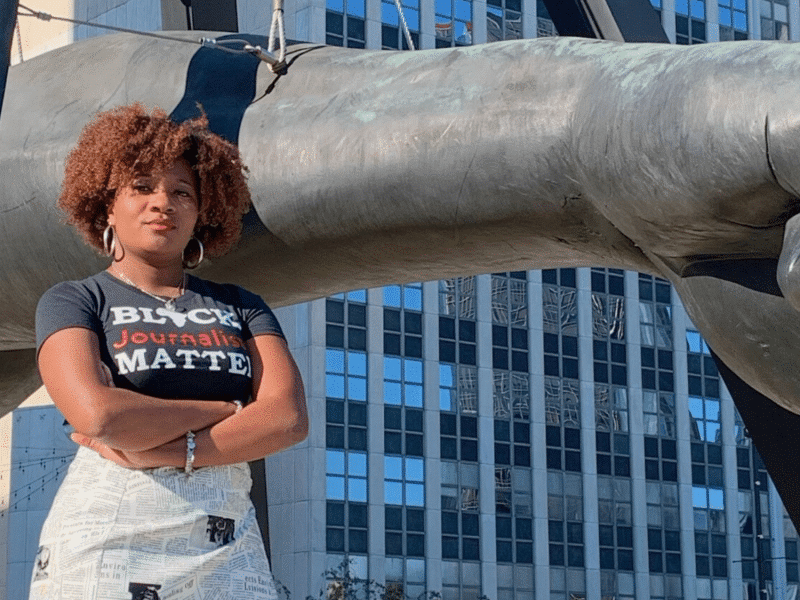
Leading with Care; Model D’s Newest Managing Editor, Kyla L. Wright, on legacy, community, and stewarding Detroit’s stories forward
In a city where Black culture and innovation shape every layer of life, representation in media leadership is not only symbolic: it is essential. I am honored to steward this publication forward with that responsibility in mind.
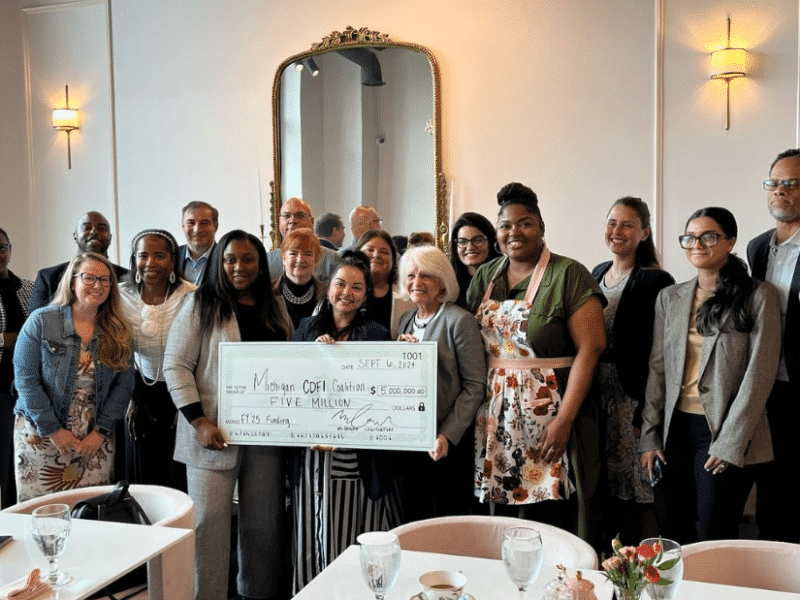
Detroit CDFI Coalition celebrates impact, advocates for funds to further propel growth, prosperity in communities
Detroit CDFI Coalition members continue to collaborate together, and advocate collectively for consistent Michigan CDFI funding to further propel their impactful mission-driven work in communities.

Concerts for Caring: Musical series raises funds to help Detroit’s homeless
Around 8,500 Detroiters are going through a stage of homelessness each year. A concert series from the Detroit’s Composer Laureate is offering help and hope.