How a training program helps international students become integral to the U.S. economy
Global Detroit helps immigrant tech founders secure visas, build startups, and create jobs, fueling innovation and economic growth across Michigan’s expanding tech sector.
Over the last five decades, the U.S. has been a draw for international students seeking advanced degrees in science, technology, engineering, and math (STEM).
International students make up nearly half of the graduates in Master’s, PhD, and STEM programs, according to the Center For Strategic & International Studies. After graduation, while still in training, international STEM students usually go on to contribute annually between $12,225 to $13,568 to the U.S. GDP. But once they officially enter the workforce, after their training period, their impact on the U.S. economy is much more significant. In 2019 alone, international STEM students contributed nearly $409 billion in labor value-added.
One of the primary ways for international students to secure these positions has been Optional Practical Training (OPT), a Homeland Security program created in 1992, which allows undergraduate and graduate students with approved immigration status to study in the United States. They must also have completed or have been pursuing their degrees for one full academic year. They are permitted by the United States Citizenship and Immigration Services (USCIS) to work for one year on a student visa as they get practical training to complement their education.
Students with what is known as F-1 status must study full-time, make satisfactory academic progress toward a degree, and comply with all immigration regulations, such as not working without authorization. Optional Practical Training offers practical, hands-on work experience in their academic field, helps students develop skills and build professional networks as they determine their long-term immigration options.
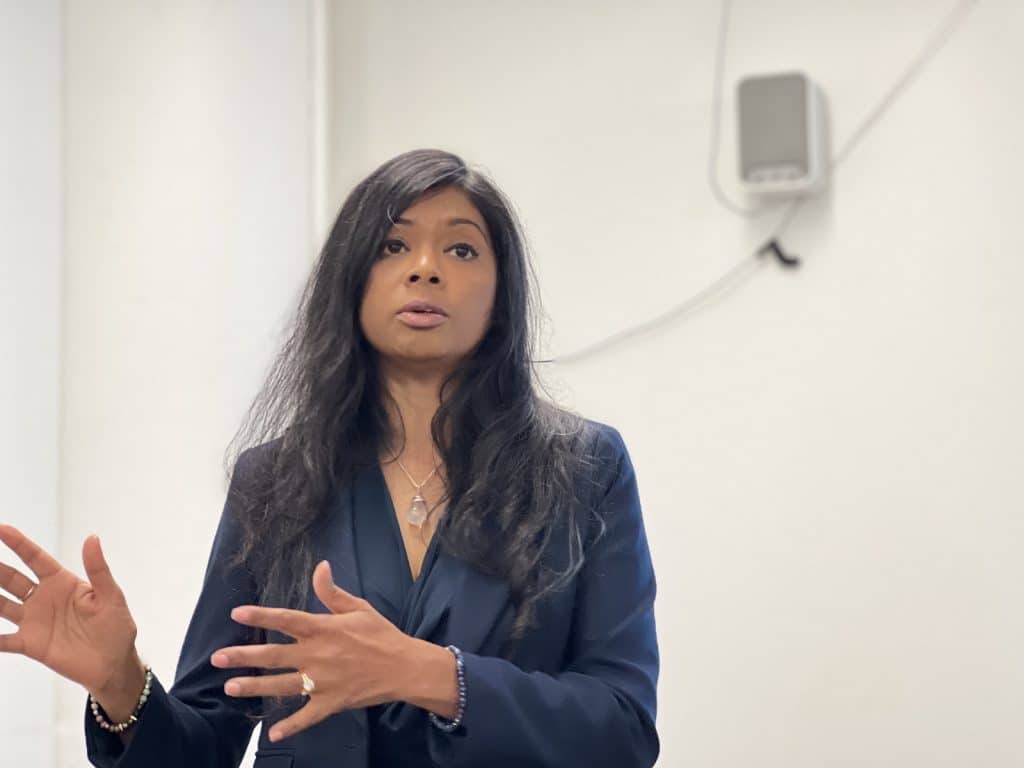
“The most common way people come to the United States and continue to stay here is through the international student path,” says Tahmina Watson, a Seattle-based immigration attorney. “When they graduate, they get permission to work in the U.S. under OPT. OPT is for 12 months initially. So if you graduate with a four-year degree or other degrees, you initially get 12 months of work permission. You will get an additional 24 months of work permission if you have a degree in a STEM subject matter.”
To apply for Optional Practical Training, a foreign student must contact the designated school official at the college or university they attend and request an endorsement of Form I‑20, Certification of Eligibility for Nonimmigrant Student Status. The student then must fill out a Form I-765, Application for Employment Authorization.
Overall, the OPT application approval typically takes close to three to five months to receive approval and a start date.
A report for the immigration assistance organization Boundless showed that a record 194,554 international students attained work authorization through OPT in 2024. Of those, 95,384 students received employment authorization through OPT in science, technology, engineering, and math fields, a 54% increase in just one year. 2024 marked the fourth straight year of STEM OPT growth.
OPT can be used by immigrant students seeking high-level employment for STEM careers or those who have entrepreneurial endeavors via STEM. It’s flexible, as the first 12 months don’t require employers to compensate a student who has gotten permission for employment. During the following 24 months, the student has the option of obtaining employment within their field of study or working for the company that they’ve started.
“There are students who actually have the intention to be entrepreneurs in America,” Watson says. “They get their LLC. They get their idea into place. They start hustling and getting clients. They now have revenue, and this is where Global Detroit comes in, where they can actually nurture them and help them figure out how to build their business. “
Global Detroit is a national leader in advocating for and executing strategies to drive equitable local, regional, and statewide economic growth through immigrant inclusion. Its Entrepreneur in Residence program helps immigrant tech founders secure visas, build startups, and create jobs, fueling innovation and economic growth across Michigan’s expanding tech sector.
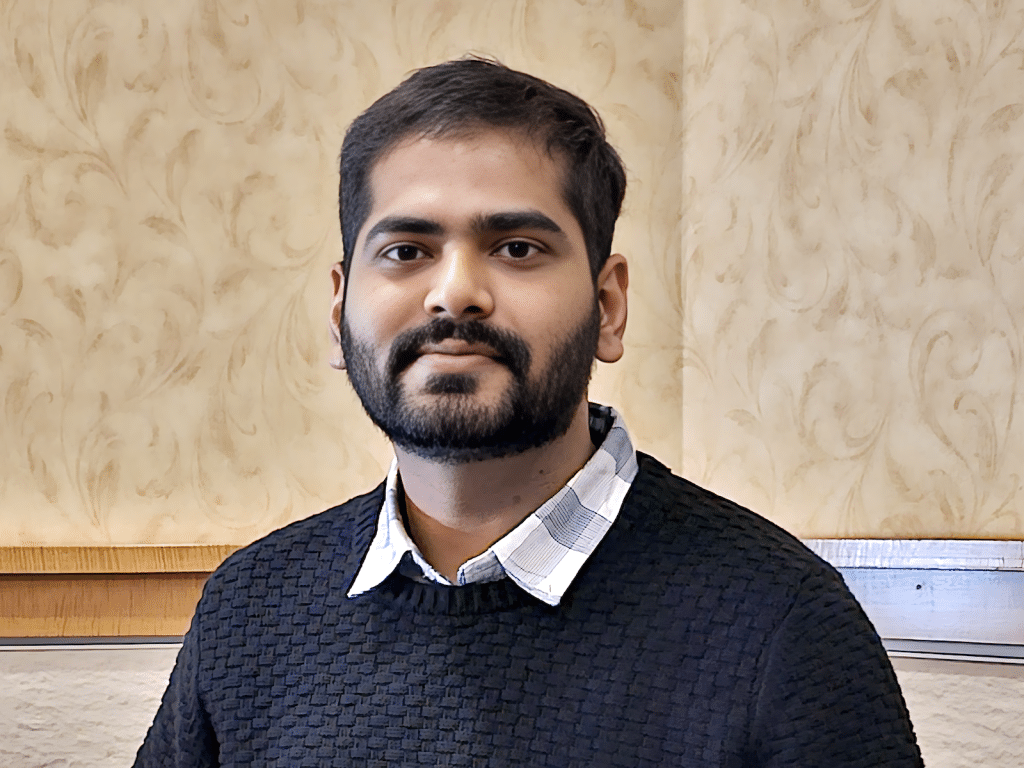
Viraj Mane is a Global Detroit founder from India. He came to the U.S. in 2022 to attend Michigan Technological University and earned his master’s degree in Data Science in 2024. During his third semester, he began laying the groundwork for what would become his business..
“It was inspired by the problem I was going through with formatting documents. For example, if you’re writing a 200-page thesis or dissertation and you have to format it so the institution accepts it,” he says. “I saw myself spending a lot of time on it; I saw other students struggling to format each page to the guidelines, and this idea came to me.”
The idea crystallized into DocCraftAI, an SaaS tool that helps long documents meet an organization’s formatting and submission standards. The way it works is you upload a document, and DocCraftAI flags formatting issues, shows exactly where they occur, and offers one-click fixes, or clear step-by-step instructions. Universities using it are saving about 30 minutes per submission and reducing back-and-forth emails, according to Mane.
Members of Michigan Tech’s administrative staff helped him understand how OPT works, how to fill out the necessary paperwork, and how to form his company.
“While I was on OPT, I was able to establish my company. I developed the product, brought my ideas to fruition, and delivered it to our first customer,” says Mane.
In 2024, Mane’s idea won the “Bob Mark Business Model Pitch Competition” at Michigan Tech and MTEC SmartZone’s “Breakout Innovation Award.” In the process, he applied to the Global Detroit fellowship program.
“I came across Global Detroit and quickly saw how much they’ve helped international founders navigate real challenges and build companies in the U.S. They’ve helped me tremendously, clarifying what I can and can’t do and showing me the most practical path forward,” says Mane.
“Global Detroit is furthering the mission of the higher education institution, which is really creating the next workforce, impacting the next generation, and having new jobs created,” adds Watson.
As the political climate continues to change and evolve, there is a fear that the OPT program will get an unfavorable makeover. Watson says she believes this possibility makes organizations like Global Detroit more important.
“Immigrant entrepreneurs are job creators and world changers. Google, Zoom, WhatsApp, all immigrant-founded, prove what’s possible when innovation is welcomed,” Watson adds.
This story is part of a series underwritten by Global Detroit, a regional economic and community development organization. With a focus on immigrants and global talent, Global Detroit develops and implements inclusive strategies to drive the growth, revitalization, and broadly shared prosperity of Detroit and across Michigan. Global Detroit works to make Michigan a national leader in attracting, retaining and placing international graduates and other foreign-born professionals.
Author

Related Articles

Partner Partner Content Rising optimism among small and middle market business leaders suggests growth for Michigan
Both small and midsize business leaders are feeling more confident to pursue growth opportunities, embrace emerging technologies and, in some cases, forge new strategic partnerships.

Black women’s unemployment has skyrocketed. Here’s what happened.
By December 2025, Black women were spending an average of 29.7 weeks, or more than seven months, unemployed — the highest rate among every group of women and among all men except for Black men, who had a slightly higher average.

With a $20 million partnership, orsa Music Hall is set to continue leadership in Detroit’s creative future
Beyond naming the expansion orsa Music Hall, the partnership will support programming, education, and community engagement.