Detroit Repertory Theatre: A stage for voices often unheard since 1957
In Detroit’s Oakman Boulevard neighborhood, a nonprofit theater offers a place to experience “storytelling, live, together with our fellow human beings.”

In Detroit’s Oakman Boulevard neighborhood, a nonprofit theater offers a place to experience “storytelling, live, together with our fellow human beings.”
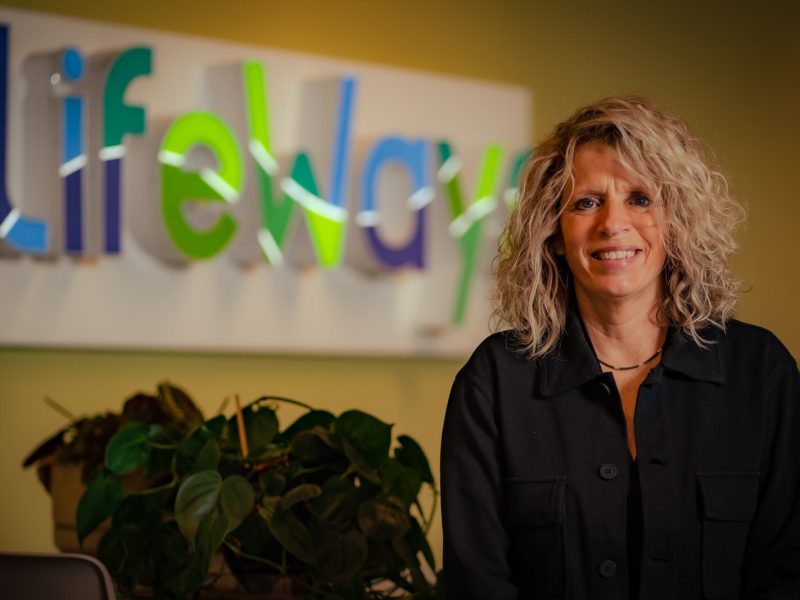
Jackson, Hillsdale, Ottawa, and Washtenaw counties passed mental health millages and seen positive impacts such as expanded access to care to their residents, increased service capacity, improved crisis response, and more.

This month we are celebrating Black history by looking to our future-makers. Here are some Black-owned businesses driving our foodie scene (and giving us some great Valentine's gift ideas!).
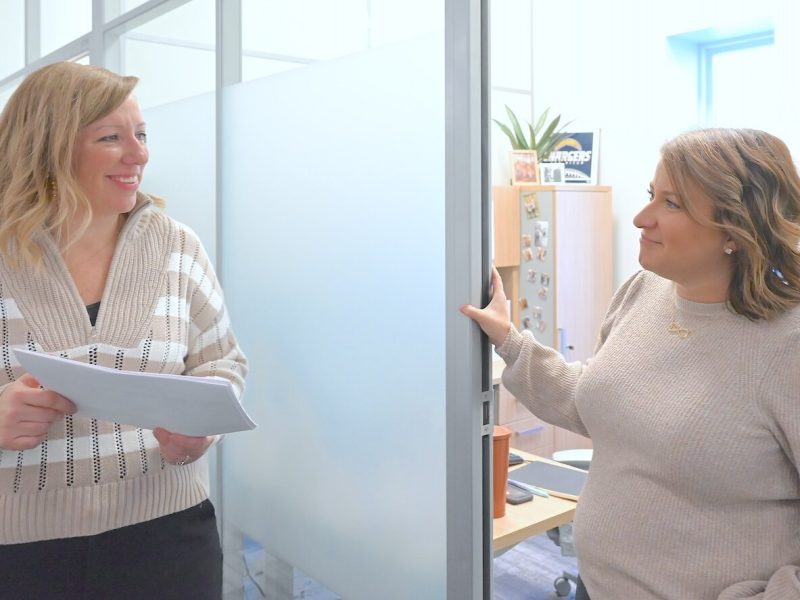
Michigan has long faced a critical shortage of mental health professionals, impacting access to vital care for communities across the state. To address this growing challenge, the Michigan Department of Health and Human Services (MDHHS) launched the Behavioral Health Now Loan Repayment Program, a strategic initiative aimed at attracting and retaining mental health professionals by alleviating the financial burden of student loans.

ADAPTS project utilizes system dynamics modeling to reshape how communities address mental health needs by offering a comprehensive framework for resource planning and crisis intervention.

As mental health needs rise across Michigan, state officials, health care providers, and community organizations are focusing on expanding the continuum of care for people in crisis.
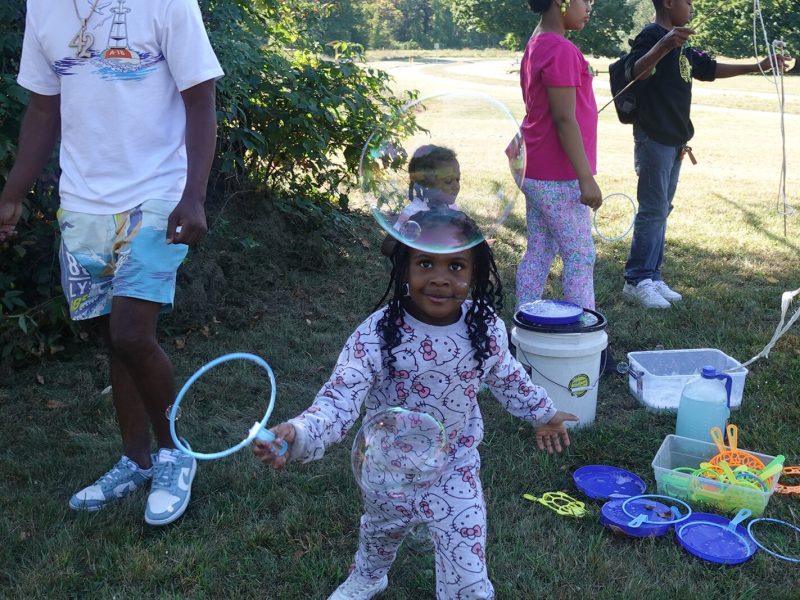
From school science programming to park revitalization efforts, we talked to local residents about how equity-related efforts in parks have impacted their lives and communities.
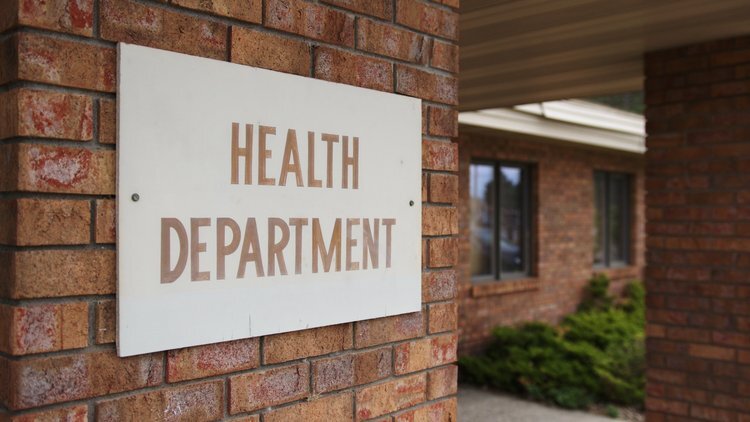
Michigan has stepped forward with a comprehensive Public Health Call to Action, a set of recommendations crafted by the Michigan Public Health Advisory Council (MPHAC) to guide the state’s journey toward a more equitable and resilient health system.

Federal dollars, state initiatives, community partnerships, and a normalization of seeking and receiving behavioral health care have positioned Michigan’s community mental health agencies to do even more good work in 2025.
Our Partners