Gen Z is next up
Over the past two decades, Anthony Thompson has become one of Detroit’s best-known entertainment professionals. Now he’s passing his knowledge of the business on to the next generation.
How Entertainment University Youth Programs builds the next generation of entertainment pros
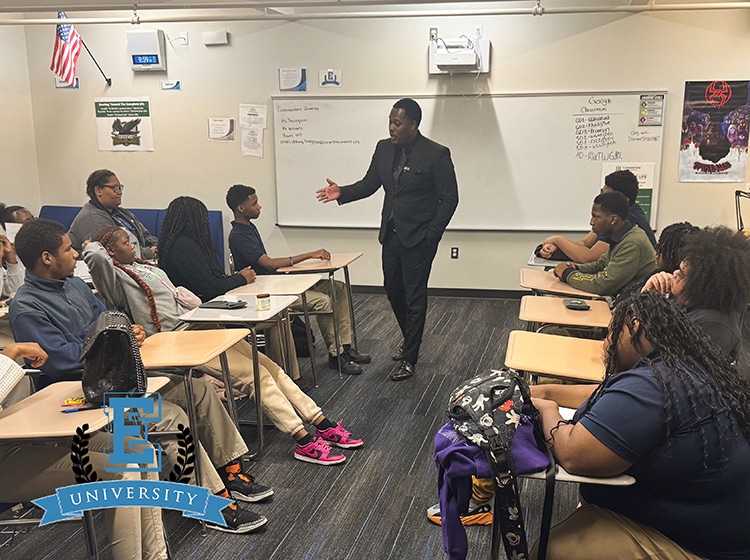
Anthony Thompson II is seated at a desk at Cornerstone Lincoln-King High School where he teaches a multifaceted entertainment-based curriculum. Thompson and his staff of 12 instruct over 5,000 students each week in topics such as studio engineering, drone piloting, podcasting, and the principles of the entertainment business. It’s known as Entertainment University.
“We’re going to start integrating AI because it’s new and jobs are about to come,” Thompson says. “So the kids have to learn how it works. Like one thing that’s going to be big for entertainment and the business world is a person who knows how to integrate AI.”
Over the past two decades, Thompson has become one of Detroit’s best-known entertainment professionals. He and his wife, LaToyna Thompson, are one of the five couples featured on the OWN network’s “Love & Marriage: Detroit” (produced by Detroiter Carlos King).
Thompson is also the CEO of ATNetwork Production Company & Studio and hosts the “The Culture Conversations Podcast.”
Thompson says he sees a version of his younger self in the students in his program. He started his entertainment business journey as a teen under the tutelage of Barak Records founder R. J. Rice.
“He taught me the game. He had Slum Village signed to him. He had partnered with Shaq (Shaquille O’Neal). He really opened the doors for me,” Thompson says.
Under Rice’s mentorship, Thompson learned how to use a mixing console, manage a studio, and start a record label. Thompson compares it to a coach-to-player relationship, as Rice also prepared him for his internship with Sony/Epic Records and life after college.
“When I came out of college, I got my first major job with Capitol Records. I worked with them for many, many years. I went to Live Nation, then to Disney Marvel Studios, and then just started doing things on my own,” he says.
In 2021, Thompson decided to replicate the same experiences he had with Rice by developing a curriculum offered through a nonprofit so he could pass on the education and lessons to the next generation of aspiring entertainment professionals.
“We really started it out of my studio,” Thompson says. “That’s where we built and created it. And out of my studio every summer, we would take 25 kids, and we would teach them the industry from all aspects. And then a couple of schools came to me to see if we could do the same for them.”
Over the last five years, Detroit has seen its stake in the film, TV, and music industries ascend. Various episodes of the Starz series “BMF” were filmed in Detroit, OWN network’s “Ready to Love: Detroit” premiered in November, and the hip-hop scene has received more national attention than in years past. Detroit is also considered the urban independent movie capital of the world, as Detroit-based films are some of the most watched on the Tubi streaming platform.
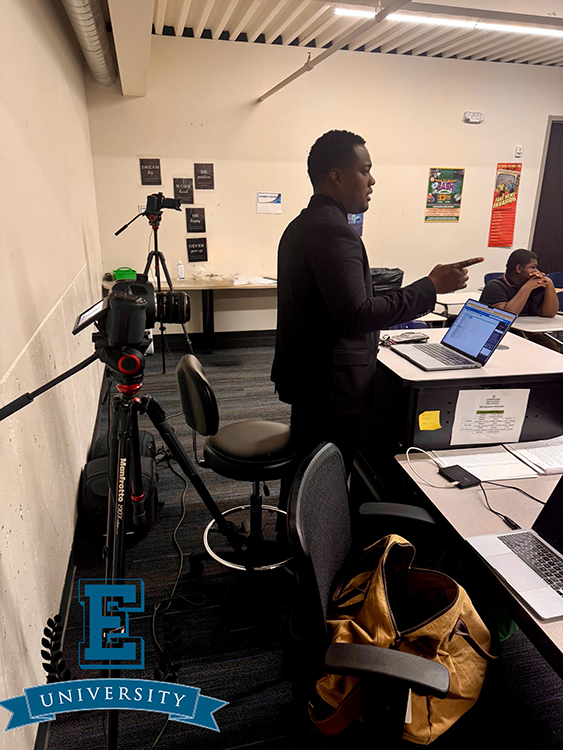
Thompson says he knew this success was coming when he started Entertainment University. His intention has always been to ensure the next generation of entertainment industry creatives and professionals can take the baton and then take things to an even higher level.
“We have to train them up and nurture them (…). And the thing is, they’re going to go way faster and further than any of us,” he says.
Thompson says he feels the key ingredient to his programs is that they are all hands-on. It’s a break from the lecture, note-taking, homework, and test-taking format that most classrooms depend on. The students are being taught animation, how to write log lines, scripts for films, create budgets, and compose TV show treatments. They have access to computers, cameras, and other forms of media equipment.
“When we do podcasting, they learn how to set up their own show. You actually learn how to write a script and set it up, storylining — all of those things determine what type of podcast you want to do. And then we actually record it and film them doing it,” he says.
Thompson and his staff also use the program to build transitional skill sets that tie directly to writing, reading, and technology. He says he feels much of what’s learned in the programs can be applied to any career or professional endeavor.
“They had to write a 30-second pitch about who they are. They had to tell us within that 30-second pitch their name, where they are right now in life, and where they are going,” he says. That skill is important, “because they may have to do that same thing in front of an investor, a person writing a recommendation for them to go to college, or just any type of situation.”
Entertainment University is in other Cornerstone schools besides Lincoln-King High School. Thompson hopes to add even more schools and may expand to after-school options and colleges.
“I actually went and taught a class at Michigan State University. They had me come back to speak. I am interested. We do have the ability to take it to the collegiate level,” Thompson says.
Moving forward, Thompson wants to build relationships with networks and media outlets that will publish and broadcast the students’ projects and compensate them for their work. “We actually want to train them to where they actually get credit on these projects and get paid too,” he says.
As much as Thompson’s goal is to educate and motivate his students, he’s also been equally inspired by them. He loves the attitude and work ethic the students bring to the classroom, and the more he works with the students, the more fulfillment it brings.
“Let me tell you something different about these youth we have in Detroit, that is phenomenal. They are not scared to take the risk,” Thompson says adamantly. “They’re stepping out. They are not fearful of going after it. They don’t wait. When you work with kids, you have your thumb on the heartbeat of the city in a whole different kind of way.”
Author
Related Articles
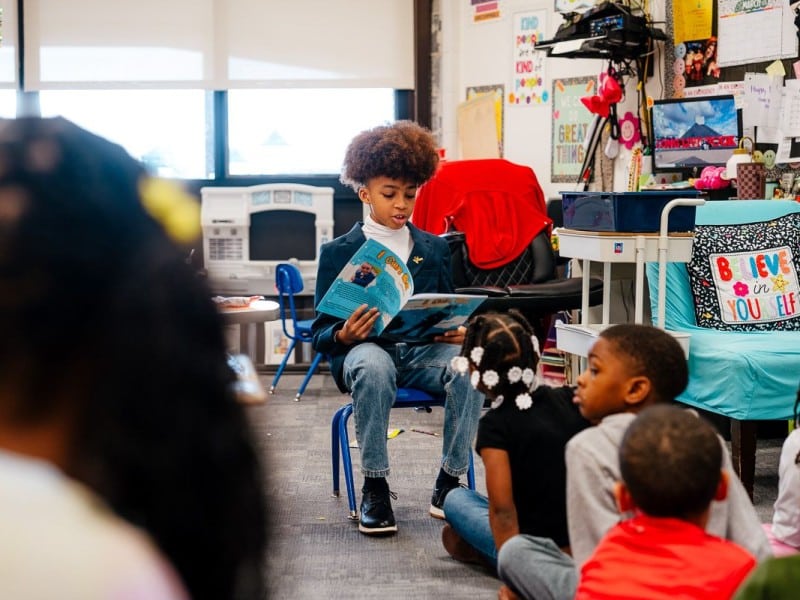
At 11-years-old, this Detroit author is helping kids see themselves in his stories
During Reading Month, 11-year-old author George Latham IV visits classrooms across Detroit, and Metro Detroit, to offer something just as important as literacy: representation.

This March, Mayor Mary Sheffield Challenges Detroiters to Read in Recognition of Reading Month
For Detroiters looking for inspiration, the city itself has long been the setting and subject of countless books.
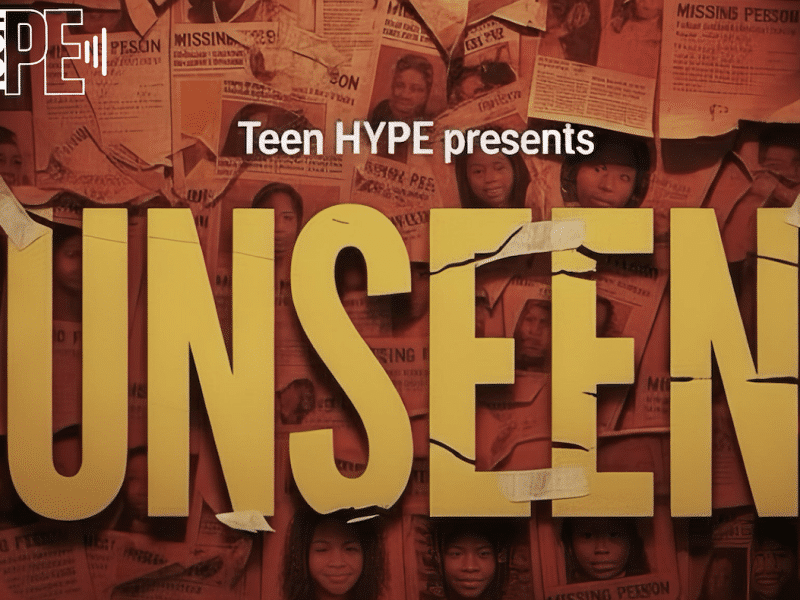
Where is She: Teen HYPE Creates Play to Raise Awareness on Missing Black Girls and Women
The play “Unseen” focuses on the realities of trafficking, the importance of child safety, the power of collective action and systemic accountability. The two-part play focuses on the societal symptoms that cause teenage girls to go missing.