Community mental health’s unsung heroes: Listening, walking alongside, and holding hope
Throughout Michigan, quiet heroes leave a profound imprint on those with mental illness.
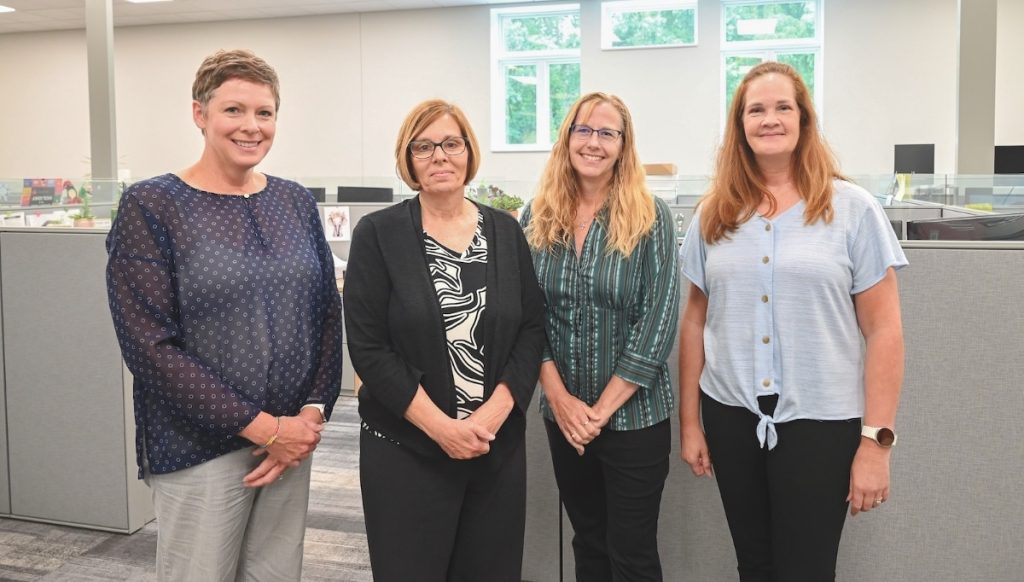
Hiscock, and Lynn Yetman.
In every corner of Michigan, there are quiet heroes whose names may not make headlines but whose work leaves a profound imprint on the lives of those struggling with mental illness. These are the frontline professionals who are the listeners, advocates, and guides, stepping into moments of crisis, confusion, or despair to help people find their footing again.
Three such individuals: Cathy Potter of OnPoint, Sandra Fleischman of Sanilac County Community Mental Health (CMH), and June Wilson of LifeWays, show us what dedication to mental health looks like in practice. Their stories reveal not just the challenges of the work, but also the resilience, compassion, and commitment required to meet people where they are.
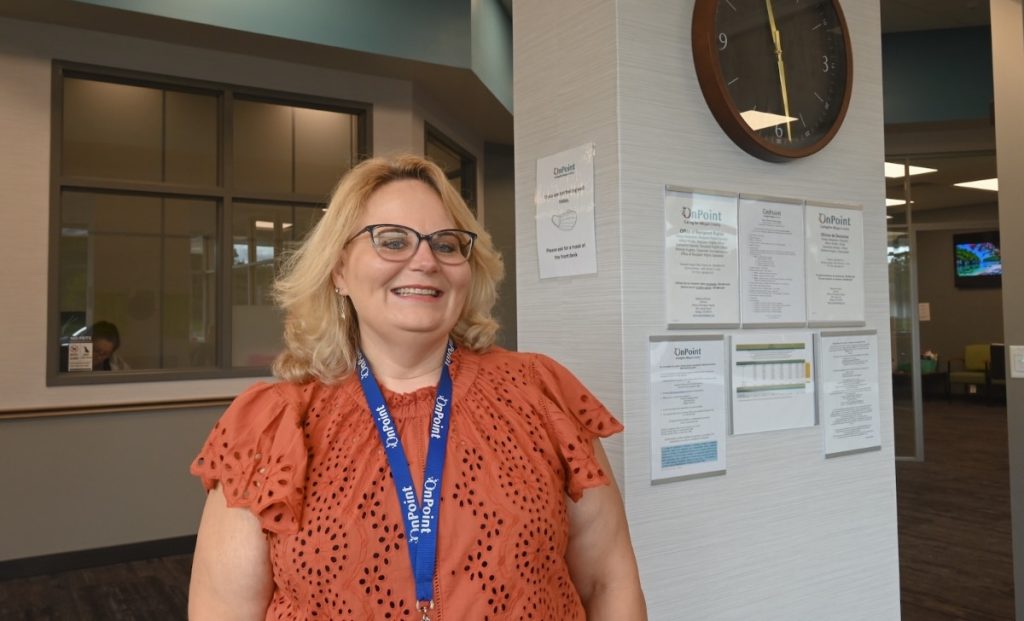
Cathy Potter: listening with purpose at OnPoint
For Cathy Potter, customer service coordinator at OnPoint, the journey into mental health wasn’t a straight line. She began in clerical work more than three decades ago, later moving into finance, before finding her calling in customer service. The transition gave her a new sense of purpose and connection.
“I felt I could make a difference in an individual’s life just by simply listening to them, answering their question, or connecting them to the right person,” Potter says. “I realized how important my role is within the agency.”
On any given day, Potter answers calls, greets clients, and works with leadership to resolve concerns. What might look like routine office work from the outside is, in reality, a daily practice of empathy and patience.
Her motivation comes not only from helping others, but also from the support she herself has received during personal hardships.
“I just want to keep showing up for OnPoint customers until the day I retire,” Potter says.
To her, the impact of community mental health is straightforward: “Life can be challenging at times, and it’s okay to ask for help. Everyone matters.”
Sandra Fleischman: bridging lived experience and professional care
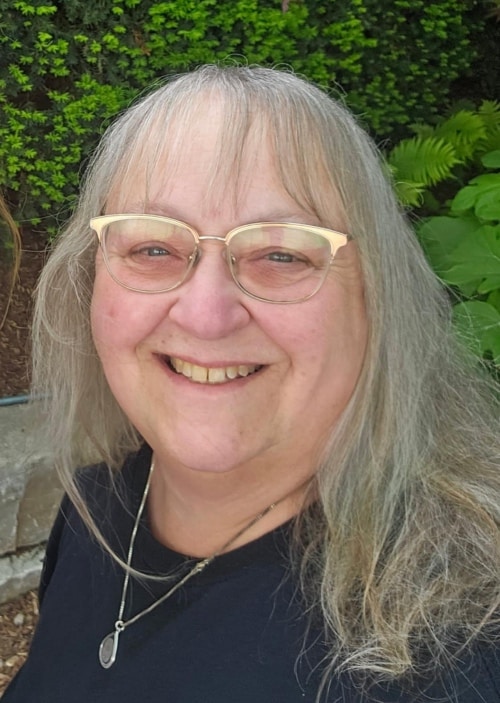
In Sanilac County CMH, Sandra Fleischman has spent 17 years serving others through community mental health, first as a peer support specialist and now as a health coach supported by a grant. Her work is rooted in both training and lived experience, her own mental health journey led her to apply for a peer support position when her caseworker encouraged her years ago.
“Yes, I’ve had the training, the mental health professional development (CEUs), the certification,” Fleischman says. “But what truly sets my role apart is the insight that comes from my own lived experience. I’ve been where many of the people on my caseload are, and I’m willing to be vulnerable, open, and transparent about that.”
Her work spans meeting clients at shelters, helping them navigate medical appointments, and partnering with physicians and nutritionists to run support groups. Beyond tasks and titles, what matters most to Fleischman is trust. She recalls the pain of having to give up her caseload when her grant position required her full-time attention, a change that felt like breaking a promise to clients who had relied on her consistency.
One story she carries with her is of a woman learning to set healthy boundaries after years of being taken advantage of.
For her, community mental health matters because it provides something rare: a space where people feel supported without judgment. “Without community mental health they don’t know where they would be today,” Fleischman says. “It’s a place where people can come as they are, feel welcome, and find support. That kind of connection is important for hope and recovery.”
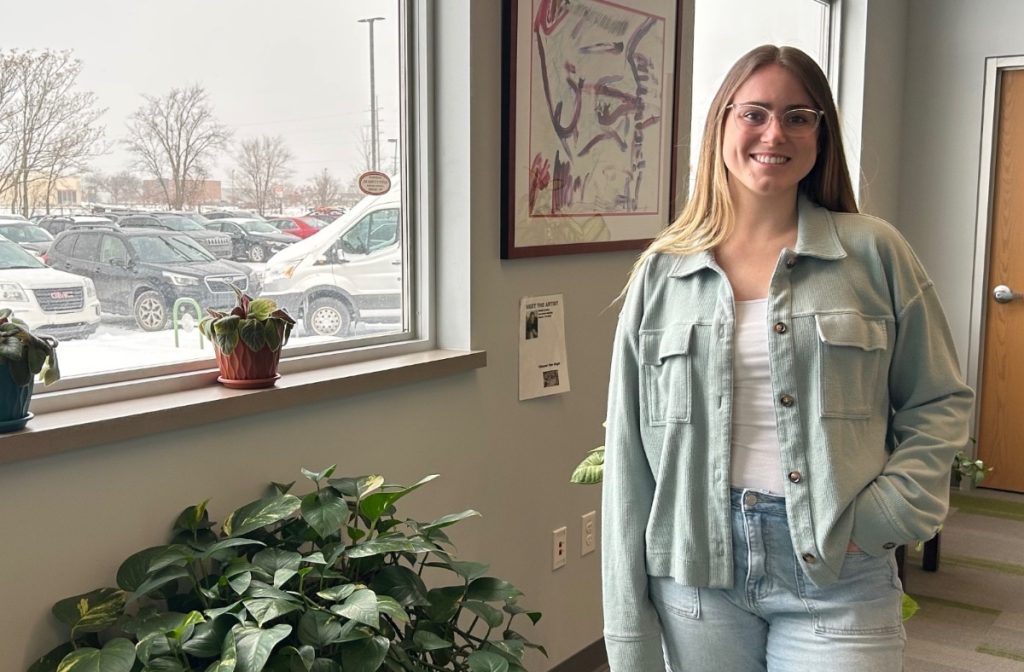
June Wilson: meeting crisis with compassion at LifeWays
At LifeWays, a community behavioral health clinic serving Jackson and Hillsdale counties, June Wilson works as a crisis clinician on the mobile crisis team. Fresh out of graduate school, she chose crisis work for the intense, hands-on experience it offered. Over time, it became more than just a training ground, it became her calling.
“A lot of times, I’m the first person that people are introduced to when they come into the system,” Wilson says. “Being able to be that person that helps them walk through that situation and navigate the mental health system — that’s what’s really kept me here.”
Wilson sees people at their most vulnerable: parents panicked over a child’s first suicide attempt, teens living in unstable homes, adults who have nowhere else to turn. The work takes a toll. Cases stack up quickly, leaving little time to decompress, and some nights she comes home unable to talk. But even in those difficult moments, she shows up because she knows how much one encounter can matter.
She recalls a young woman abandoned by her adoptive parents and placed in a youth home. Wilson worked with her for months, encouraging her to hold on until she could move into a residential program.
“It was one of those cases I went home and cried about often because it was just such an unfair situation,” Wilson says. “But being able to see her transition to a better situation — that’s what has stuck with me.”
For Wilson, the importance of community mental health lies in accessibility and stability. Many of her clients have no one else.
“We are those people’s family,” she says. “Being a stable support in the community is huge. Just knowing, ‘Hey, I can go there. I can get a bus pass if I need to. I can stop in the lobby and hang out there for an hour while I have some water.’ That stability is everything.”
The common thread: hope
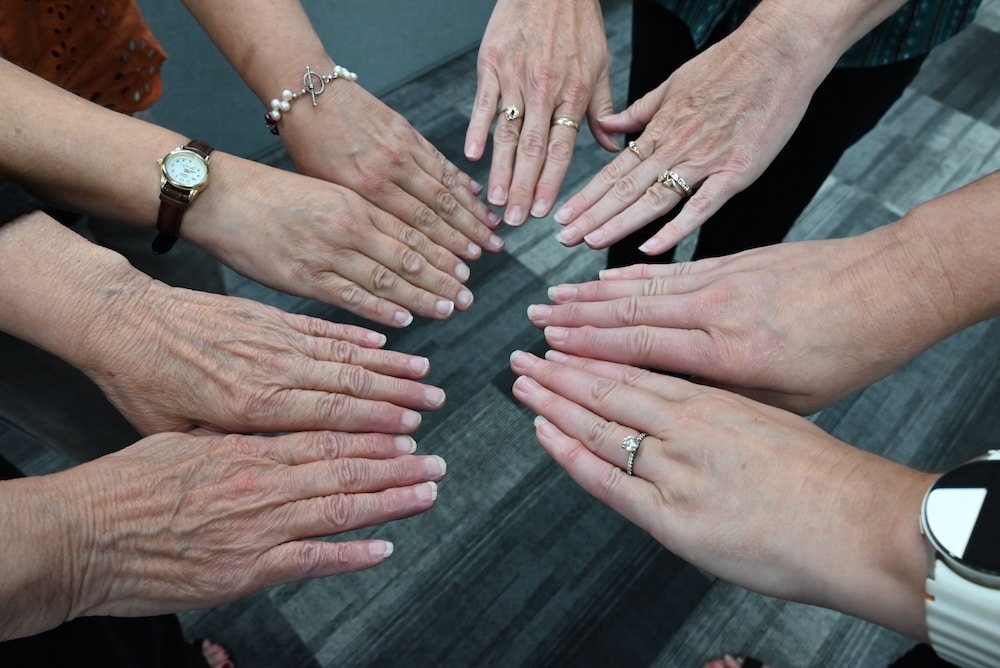
Though Cathy Potter, Sandra Fleischman, and June Wilson work in different roles and in different counties across the state, their stories echo the same sentiments: the power of listening, the value of lived experience, and the importance of showing up, day after day, for people who may feel forgotten.
They remind us that mental health work is not only about therapy or medication, it’s about presence, trust, and small moments of change that can alter the course of someone’s life. These unsung heroes embody what community mental health is aimed to be: a bridge to hope, recovery, and belonging.
As Fleischman put it: “Being trusted and sharing in those moments is one of the greatest privileges of my life.”
Photos by John Grap.
The MI Mental Health series highlights the opportunities that Michigan’s children, teens and adults of all ages have to find the mental health help they need, when and where they need it. It is made possible with funding from the Community Mental Health Association of Michigan, Center for Health and Research Transformation, OnPoint, Sanilac County CMH, St. Clair County CMH, Summit Pointe, and Washtenaw County CMH.
Author

Related Articles
When everyone is welcome: How Michigan’s CCBHCs are changing care
CCBHCs have been improving access to quality mental health care for Michigan residents since 2021.
Nearly $300K in Seed Awards bolster Michigan’s local food and farming
Nearly $300,000 in Seed Awards from the Michigan Good Food Fund will support 18 food and farm businesses across Michigan, helping small, locally rooted operations grow and improve food access.
Policies, programs, and research shaping maternal mental health care
How the Center for Health and Research Transformation is working to improve mental health for pregnant and parenting individuals.