The unofficial cartographer of Detroit, Alex B. Hill, a self-described “data nerd and anthropologist” who combines mapping, data, and analytics with storytelling and human experience. He is the founder of DETROITography and author of “Detroit in 50 Maps."
He serves on the Black Bottom Archives Advisory Board, Detroit City of Design Challenge Advisory Council, and City of Detroit GO DATA Advisory Commission.
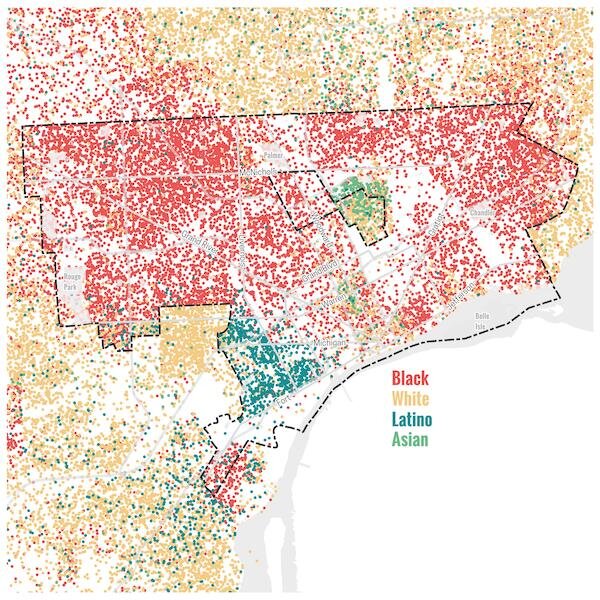
One limitation of Census data is that much of Detroit is categorized as “hard to count” meaning the Census is the best data we can get, but it might not be the best representation of everyone in Detroit.
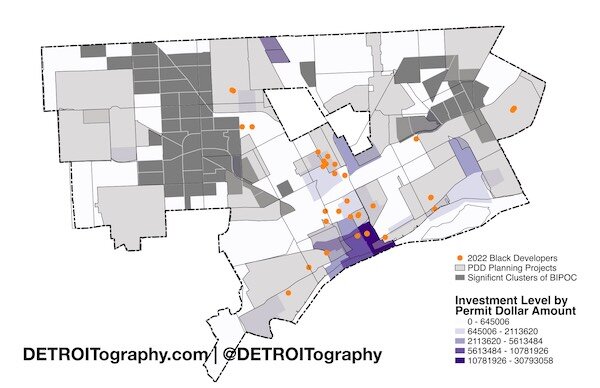
Black developers are involved and benefiting in higher-stakes projects, but there are still numerous underserved neighborhoods waiting to see the same levels of investment as Downtown and Midtown.
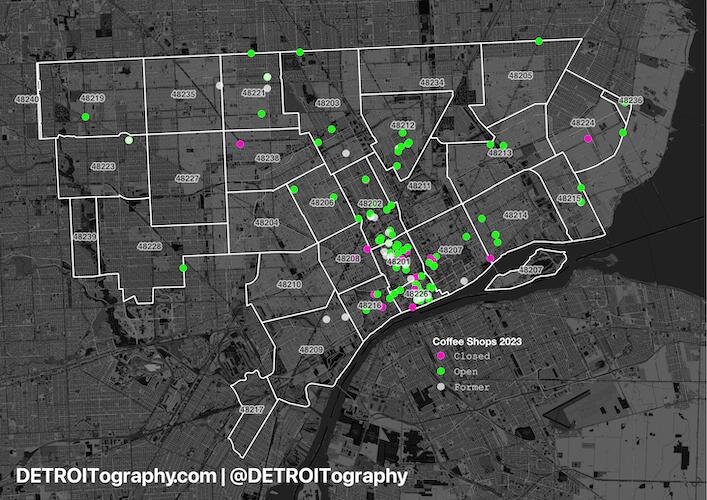
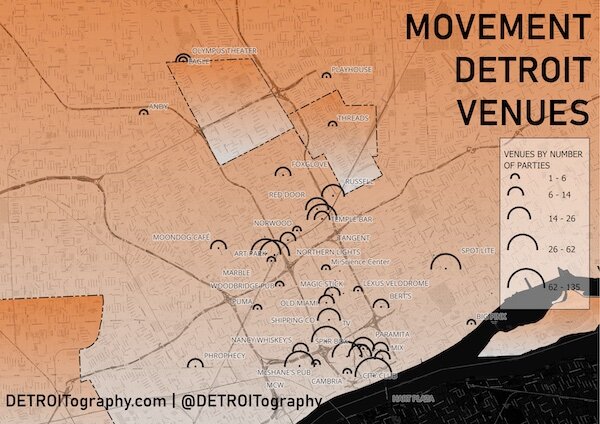
Gathering spaces in Detroit are a hot commodity and not easy to come by, so the loss of just one is usually a substantial hit to the community. A handful of new baristas are trying their hand at pop-up coffee offerings and we can’t wait until they have some physical space to add to the growing demand.
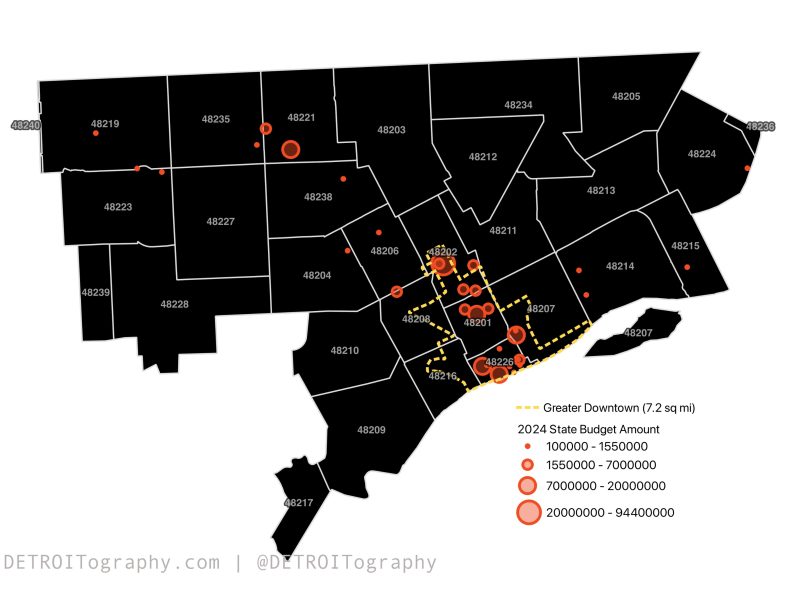
Some projects that went underreported in the latest budget include grants to Motor City Blight Busters, Grandmont Rosedale Mixed Use Development, and support for the North Rosedale Community House. All of them have a high likelihood of neighborhood-level impact.
To fully harness Detroit's potential as a climate haven, it is imperative to recognize and address the city's industrial legacy and ecological shortcomings. We take a closer look at flood risk areas within Detroit, with Jefferson Chalmers and Southwest Detroit/Dearborn emerging as critical zones on the risk map.
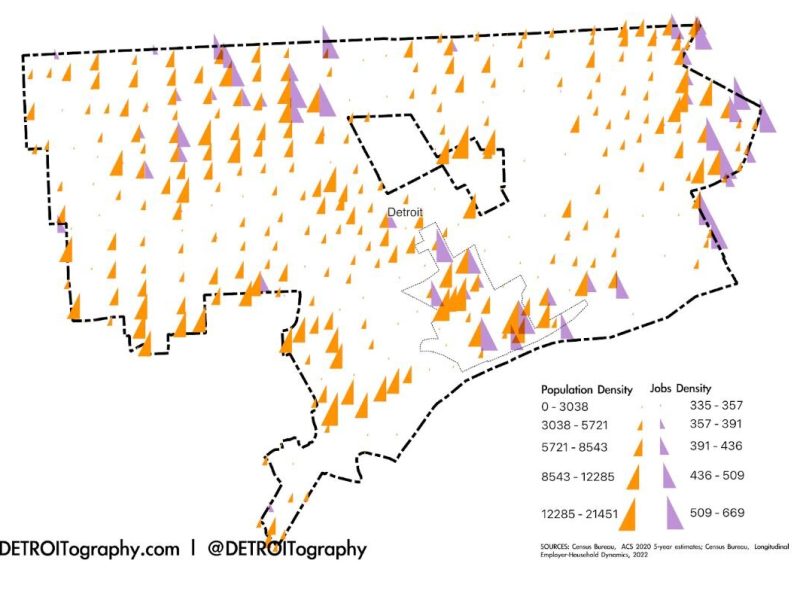
Just 30% of available jobs in Detroit are held by Detroit residents. What does the population vs employment opportunities actually look like? We dive in.
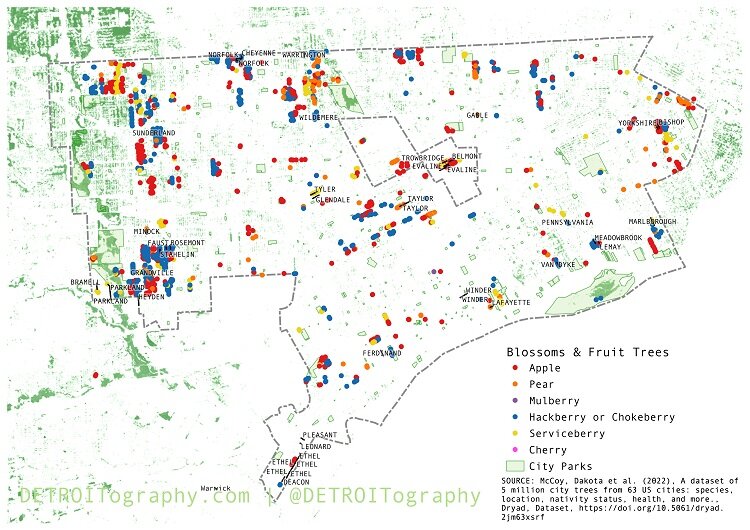
Apples, pears, hackberries, chokeberries, cherries, mulberries... Detroit has a fascinating spread of fruit trees. What's your go-to fresh fruit recipe for summer?
During the COVID-19 pandemic, a number of stores closed temporarily, a handful of restaurants became small grocers, and organizations distributed supplies via emergency food boxes. Now, despite many corner and convenience stores, most Detroiters get their groceries at one of 64 full-service spots.
Our Partners
Solutions journalism takes time, trust, and your support.