Your favorite Model D stories from 2025, according to Google
In 2026, Model D readers liked stories of Detroit as it was, and they also were quick to check out the features about those doing something new in town.
Looking back at the year that was can offer reflections on where we have been and where we are going in the coming year. Fittingly, for readers of Model D, the past year was one of looking back and looking forward. Readers liked stories of Detroit as it was, and they also were quick to check out the features about those doing something new in town. Model D’s “History Lesson” reflections by Jacob Jones were popular with readers, taking both the No. 1 and No. 9 spots on our list of readers’ favorites for 2025.
Stories of a repurposed historic building and a young bookstore owner drew their respective share of readers. And rounding out the list was a story from our program, lifting the voices of young people — Voices of Youth. We hope you enjoy reflecting on stories published in Model D last year. This is our list of best-read stories for 2025. It includes tiny excerpts of the stories. Follow the links to read on.
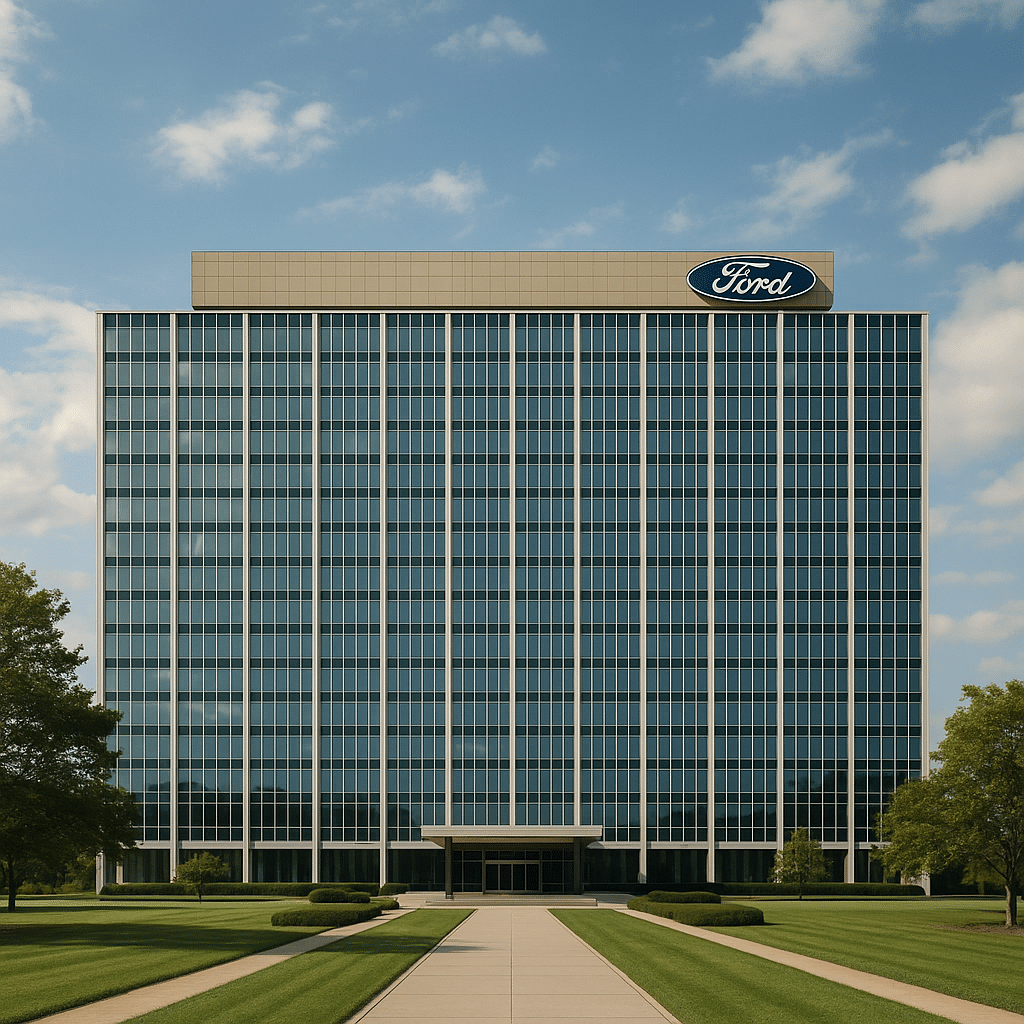
1. HISTORY LESSON: The Glass House: Remembering Detroit’s forgotten modernist masterpiece
When Ford Motor Company left Dearborn, it closed the book on one of the Midwest’s greatest modern landmarks — a shimmering symbol of Detroit’s mid-century confidence.
2. Meet Pages Bookshop’s new owner, a Gen Z visionary looking to build youth literacy
Weeks after the Rosedale Park bookstore announced that its founder was retiring, the retailer is now under new ownership and is headed to a grand re-opening on Independent Bookstore Day on April 26.
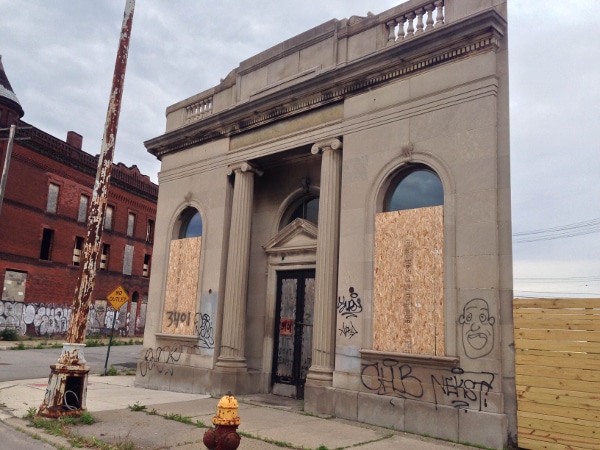
3. The million-dollar real estate listing that started a historic Detroit gentrification debate
A decade ago in Detroit, a million-dollar residential real estate listing would have had an agent laughed out of town. Nowadays, million-plus listings aren’t frequent, but it’s no longer an eye-popping surprise when one pops up. And if anything goes for more than six figures in this town, it had better not skimp on the details.
That’s why one recent listing on Michigan Avenue is in focus now. As described by Homes.com, a recent seven-figure entry has everything that matches the price tag: A $30,000 copper vestibule, marble windowsills, a 20-foot-long kitchen island, and a custom mural. One might ask how big this residence must be to house all these amenities, which is a blank we’ll fill in now: This home just down the street from Michigan Central is actually a former bank, and depending on your point of view, is one of the most famous or one of the most infamous pieces of real estate in Detroit in recent history.
4. Senegalese immigrants find community of support in west Detroit
On August 13th, the courtyard of Khadimu Rassul Foundation is a colorful scene of men in kaftans and women in sequined robes and bright headwraps. It is Magal Touba, a feast commemorating the life and teachings of Ahmadou Bamba, a revered saint and leader for Senegal’s Mouride Muslims. On this day, a large group of worshippers from West Africa have gathered to celebrate together. For west Detroit’s sizable and growing population of Senegalese migrants, local religious communities are a source of spiritual grounding and practical support.
Detroit has been home to Senegalese immigrants since at least the 1990s. When author and educator Abib Coulibaly moved to Detroit with his wife in the early 2010s, they were attracted by the feeling of home. “I had some connections living in Detroit. When I came here, I had a safe feeling. I said, ‘Oh, this is a Senegalese community.’ I felt at home right away. There were a lot of Senegalese. This was something I was not expecting,” says Coulibaly.
5. Trump said America could look like Detroit. Here’s what Detroit could look like under Trump

While campaigning for president last year, Donald Trump — who, of course, won said campaign — remarked that all of America would “look like Detroit” if his then-opponent, former Vice President Kamala Harris, won the White House. We now live in the reality where Trump’s America, which actually does look a lot like Detroit already in some respects, is taking shape — and could soon look radically different than under the previous Biden administration. Moments after delivering his inauguration speech, Trump signed a flurry of executive orders on January 20, and has continued to alter or challenge existing policy in the week since. Using bits from his speech and some of the orders signed thus far, here’s how his new policy could affect Detroiters.
6. What would it take to end homelessness in Detroit?
Here are a few of the innovative solutions being implemented or proposed to better address the big problem of homelessness in the city. Affordable housing, access to services, and better collaboration among players are among them.
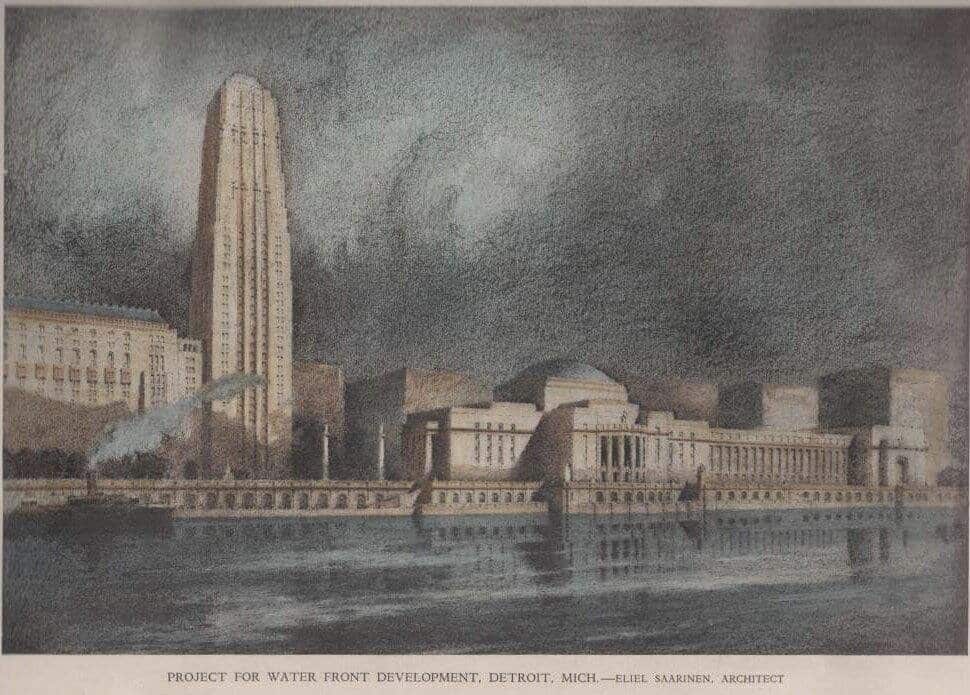
7. HISTORY LESSON: With these failed building plans, let’s imagine the Detroit that might have been
Jacob Jones says one of his favorite parts of the Detroit architectural story is the reminder that the things we didn’t build tell just as interesting of a story of our City as the things we actually did. A full accounting of Detroit’s unrealized architectural reality could fill multiple columns. This story details three of his favorites.
8. Corktown’s Bobcat Bonnie’s closes, beginning the end of the Millennial Burger Restaurant era
One might say that ten years on Michigan Avenue is a good run and that Bonnie’s reached the end of its natural lifespan for a small business, or that the activity up and down Michigan since Michigan Central has come full circle meant at least one mainstay had to be the first casualty of increasingly changing tastes on the corridor. Perhaps consider the third option: The imminent death of the Millennial Burger Restaurant.
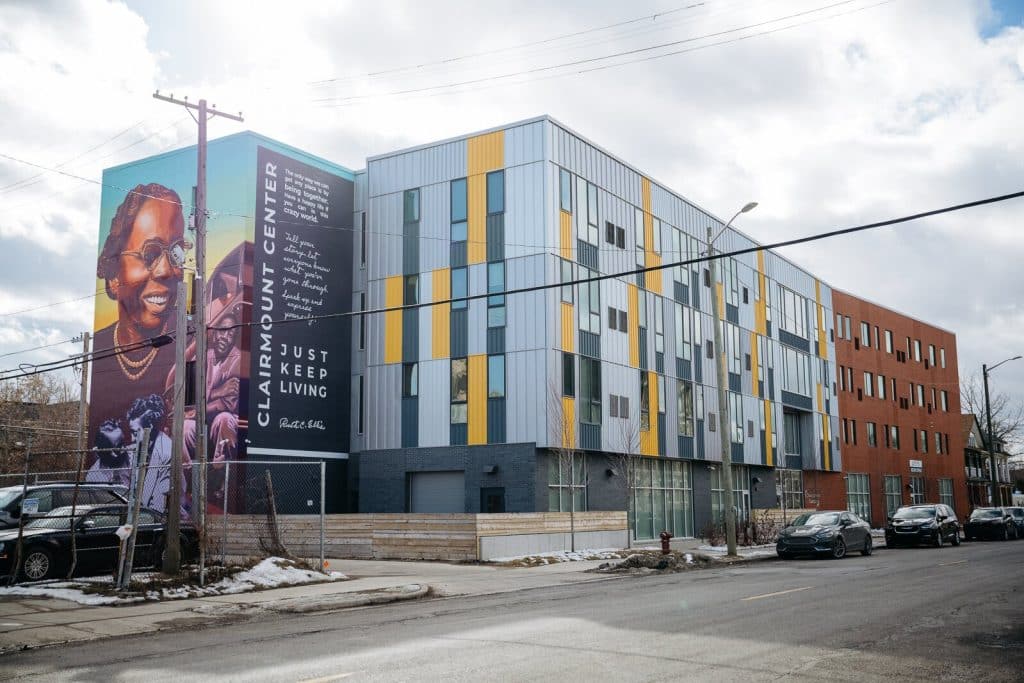
9. “There can’t just be one approach”: Detroit pursues innovative solutions to housing crisis
We checked in with three organizations that are rethinking how to develop and expand access to housing in Detroit. Some of the solutions outlined include — Clairmount Center: Permanent supportive housing for LGBTQ+ youth, the Detroit Land Bank Authority adopts new strategy for next five years, and a community land trusts grow in Detroit.
10. Voices of Youth: Detroit teen dives into the history of hostile architecture
Hostile architecture doesn’t just hurt those without a home. Detroit student Nyla Davison pens a short essay about the defensive design strategies used in her city, and what she wants for the future. Hostile architecture is an urban-design strategy that uses architecture to restrict certain actions taken upon the property. Hostile architecture mainly affects homeless people, but also can affect other members of our community.
This is an issue to bring awareness to because homelessness increases more and more each year. Homeless people are already struggling to find places to sleep and or stay warm and hostile architecture makes it more difficult. Not only does it affect homeless people, but it also has an impact on pregnant people and people with disabilities.
Did your favorite stories make the list? Let us know here what you want to read about in 2026.
Related Articles

Small Business Social Hours foster success through face-to-face connection
Why face-to-face networking opportunities are even more important for small businesses and entrepreneurs.
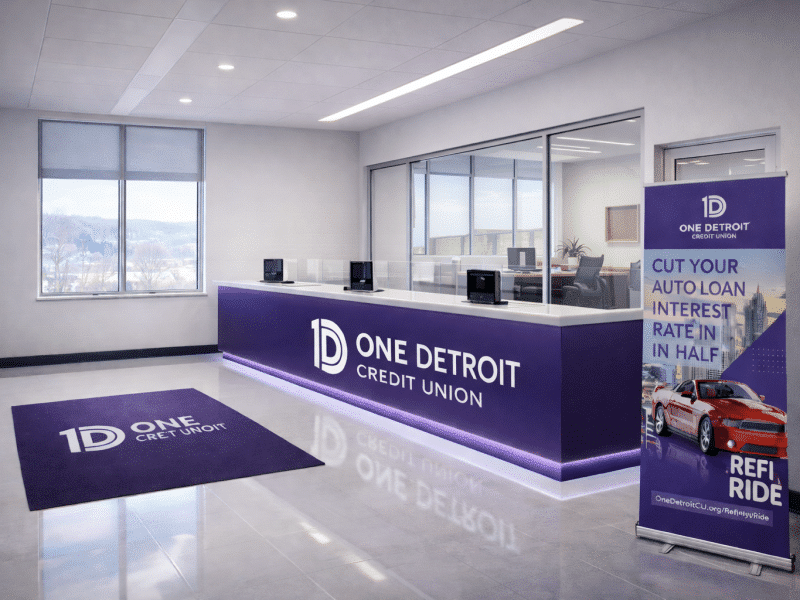
One Detroit Credit Union brings two new CDFI branches to serve the underserved, unbanked communities
In an effort to serve the underserved, One Detroit Credit Union is expanding its reach with two new branches, both in shuttered former financial institutions. In doubling-down on their commitment to provide more than banking to Metro Detroiters — these branches offer the community products, services and resources for financial health and wealth building.
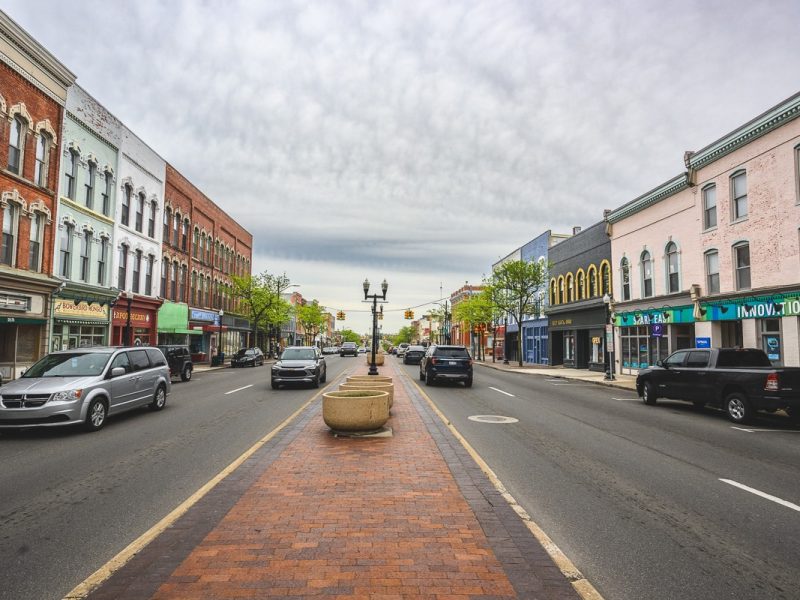
On-Demand Coaching helps Michigan municipalities and their small businesses build a winning team
Program helps municipalities connect small businesses and entrepreneurs with existing capital and technical assistance.