Who Really Owns Detroit’s Homes? New data to be featured in national Strong Towns workshop
Detroiters rehabbed 17,000 homes in 5 years. A new study on local and absentee ownership will be featured in an Oct. 2 Strong Towns virtual workshop.

Detroit residents have restored an estimated 17,000 vacant homes between 2019 and 2024, fueling one of the country’s largest resident-led housing revivals. Now, new data from a Detroit-based company will take that conversation national.
On October 2 at noon CT, Strong Towns will host a live virtual workshop featuring research from Regrid’s report, Owned Away From Home. The study maps how housing ownership across the U.S. is shifting away from local residents and into the hands of out-of-town landlords and investors.
Alex Alsup, Regrid’s Chief Strategy Officer, will present findings showing how non-local ownership can weaken neighborhood stability. When landlords live outside the community, or even the state, properties are less likely to be maintained, and residents often have fewer ways to hold owners accountable.
“Who owns homes matters,” Alsup said. “Local ownership builds stability, while absentee ownership risks disconnecting housing from the people who actually live in neighborhoods.”
The workshop will also introduce Strong Towns’ new Housing Toolkit, offering policies and strategies that communities can use to strengthen local ownership, from land-use reforms to incentives for resident buyers.
Detroit’s own housing revival provides a counterpoint to national trends. Much of the city’s progress has come from residents reclaiming vacant homes with sweat equity, supported by groups like Building Community Value and the Detroit Land Bank Authority. Their efforts highlight how community-driven approaches can keep homes in the hands of Detroiters, not distant investors.
Registration for the Oct. 2 virtual workshop is available at Strong Towns Academy.
Author

Related Articles

Small Business Social Hours foster success through face-to-face connection
Why face-to-face networking opportunities are even more important for small businesses and entrepreneurs.

One Detroit Credit Union brings two new CDFI branches to serve the underserved, unbanked communities
In an effort to serve the underserved, One Detroit Credit Union is expanding its reach with two new branches, both in shuttered former financial institutions. In doubling-down on their commitment to provide more than banking to Metro Detroiters — these branches offer the community products, services and resources for financial health and wealth building.
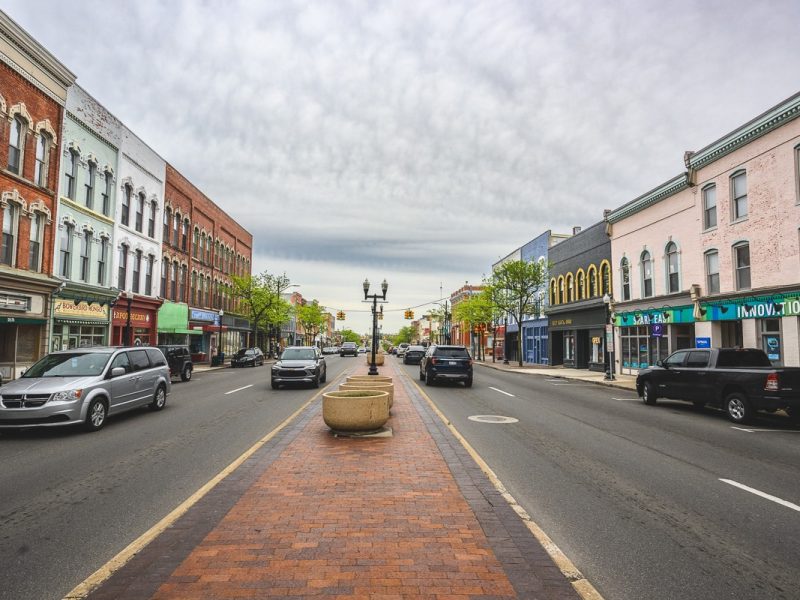
On-Demand Coaching helps Michigan municipalities and their small businesses build a winning team
Program helps municipalities connect small businesses and entrepreneurs with existing capital and technical assistance.